Introduction
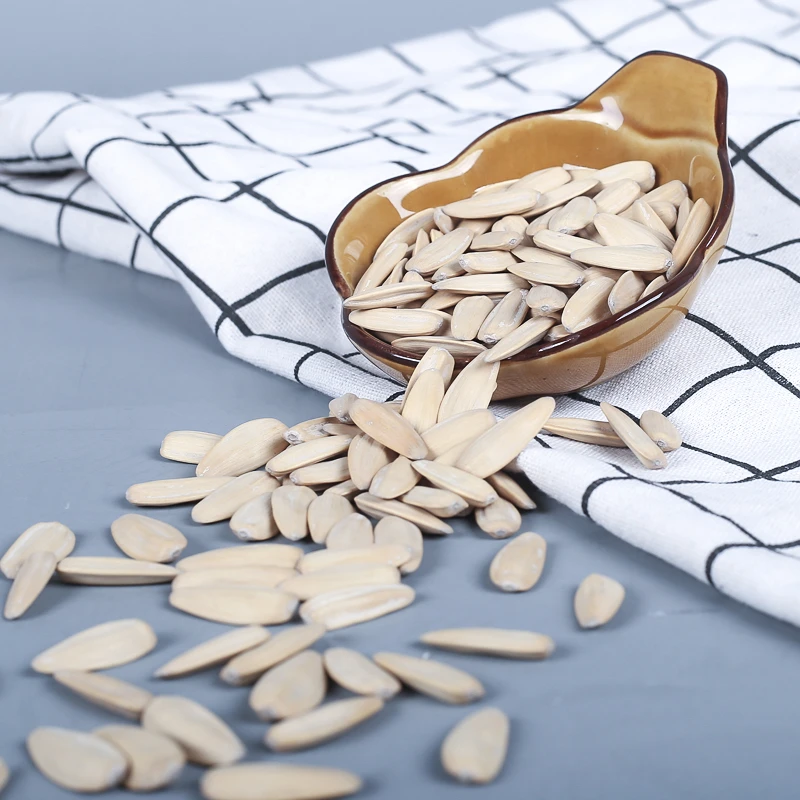
Unsalted sunflower seeds in shell represent a significant segment of the global snack food industry, positioned primarily within the agricultural processing and confectionary supply chains. These seeds, Helianthus annuus, are not merely a consumer product but a carefully engineered agricultural commodity. Core performance characteristics revolve around kernel size, oil content, shell strength, and overall seed integrity. The demand is driven by both direct consumer consumption and as a critical input for subsequent processing – roasting, flavoring, and oil extraction. A primary industry pain point centers on maintaining consistent seed quality and minimizing shell fragments within the final product, directly impacting consumer satisfaction and potential processing inefficiencies. Another crucial challenge is mitigating aflatoxin contamination, necessitating stringent quality control throughout the entire production lifecycle, from field cultivation to packaging.
Material Science & Manufacturing
The raw material, sunflower seeds, comprises primarily of lipid (40-50%), protein (18-25%), carbohydrates (15-20%), and fiber (5-10%), with minor contributions from minerals and vitamins. Seed composition varies significantly based on genetics (hybrid variety), growing conditions (soil type, climate), and maturity at harvest. The shell, a pericarp, consists of cellulose, hemicellulose, and lignin providing structural integrity. Manufacturing begins with harvesting, typically employing combine harvesters. Post-harvest processing includes cleaning (removal of debris, stems, and leaves), drying (to reduce moisture content to 8-10% for storage stability – crucial to prevent fungal growth), dehulling (partial or complete shell removal – influenced by end-product requirements), sizing (grading seeds by diameter using screens), and sorting (optical or manual removal of defective seeds). Key parameter control during drying is critical; temperatures exceeding 60°C can denature proteins and reduce oil quality. Sizing ensures uniformity, vital for roasting and packaging equipment. Shell strength is impacted by calcium content within the pericarp; variations influence dehulling efficiency and the potential for shell fragmentation. Quality control at each stage is essential, utilizing moisture meters, seed counters, and visual inspection techniques.
Performance & Engineering
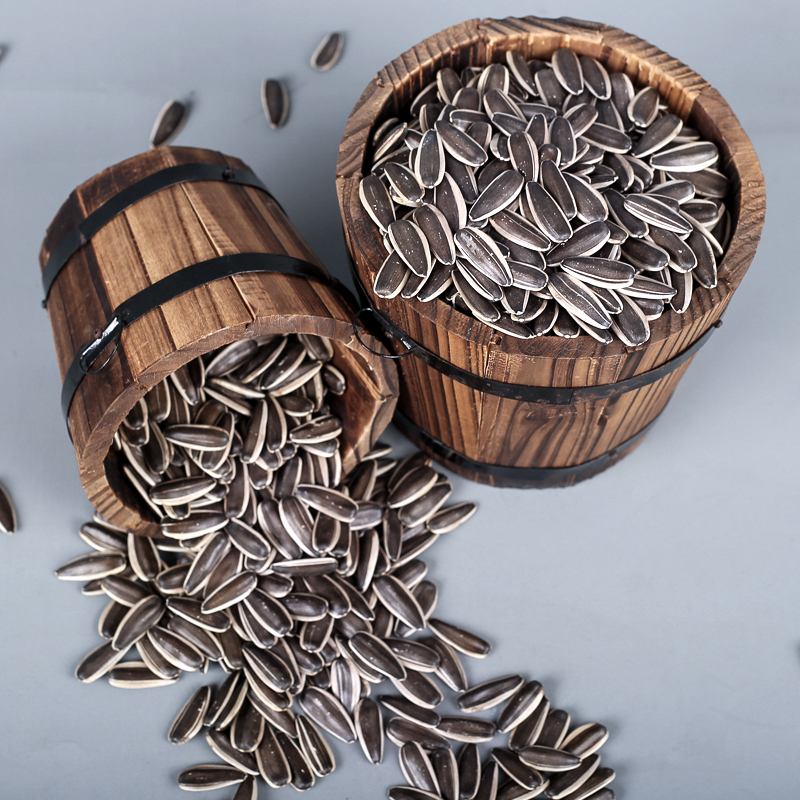
Performance evaluation of unsalted sunflower seeds in shell hinges on several engineering considerations. Shell fracture resistance is a critical factor during handling, transportation, and processing – impacts can create fragments, a significant quality defect. Force analysis reveals the shell’s compressive strength is anisotropic, meaning it varies depending on the direction of applied force. Environmental resistance relates to moisture absorption and lipid oxidation. High humidity leads to increased moisture content, promoting microbial growth and rancidity. Lipid oxidation, catalyzed by light, temperature, and metal ions, degrades oil quality, resulting in off-flavors. Packaging materials offering low oxygen transmission rates (OTR) and moisture vapor transmission rates (WVTR) are essential to mitigate these effects. Compliance requirements include adherence to food safety regulations (HACCP, GMP) and limits for heavy metal contaminants (lead, cadmium). Aflatoxin levels are meticulously monitored, as these mycotoxins pose a significant health risk. Functional implementation includes maintaining a consistent kernel-to-shell ratio; variations affect the eating experience and processing yields.
Technical Specifications
| Parameter | Unit | Specification Range | Test Method |
|---|---|---|---|
| Moisture Content | % | 8.0 - 10.0 | Oven Drying (AOAC 925.10) |
| Oil Content | % | 40 - 55 | Soxhlet Extraction (AOAC 920.39) |
| Kernel Size (Diameter) | mm | 10 - 16 | Sieve Analysis |
| Shell Strength (Fracture Resistance) | N | > 50 | Compression Testing (ASTM D695) |
| Aflatoxin B1 | ppb | < 20 | ELISA or HPLC (AOAC 999.07) |
| Foreign Matter | % | < 1.0 | Visual Inspection (USDA Standards) |
Failure Mode & Maintenance
Failure modes in unsalted sunflower seeds in shell are multifaceted. Fatigue cracking of the shell occurs due to repeated stress during handling and transportation, leading to fragments. Delamination of the kernel from the shell can happen due to rapid temperature fluctuations or improper drying, reducing product appeal. Lipid oxidation leads to rancidity, manifesting as off-flavors and reduced nutritional value – a primary cause of rejection. Aflatoxin contamination, as previously mentioned, represents a severe failure mode with health implications. Microbial growth, facilitated by high moisture content, results in spoilage and potential mycotoxin production. Maintenance strategies center on proper storage conditions – cool, dry, and dark environments. Packaging with effective barrier properties (OTR & WVTR) is crucial. Regular quality control checks, including moisture content and aflatoxin testing, are essential. Rotation of stock to minimize storage duration prevents lipid oxidation. Implementing robust cleaning and sanitation protocols in processing facilities reduces the risk of microbial contamination. Proper ventilation during drying prevents localized overheating and protein denaturation.
Industry FAQ
Q: What is the significance of kernel-to-shell ratio, and how is it controlled?
A: The kernel-to-shell ratio directly impacts the consumer experience – a higher ratio means more edible material per shell. It's controlled through genetic selection of high-yielding sunflower varieties, optimized harvesting timing (maturity), and precise sizing/grading during processing. Variations can also stem from seed damage during handling.
Q: How do different packaging materials affect the shelf life of unsalted sunflower seeds?
A: Packaging materials with low OTR and WVTR are paramount. Foil-lined bags, metalized films, and multi-layer polymers offer superior protection against oxygen and moisture ingress, slowing down lipid oxidation and preventing microbial growth. The choice depends on cost constraints and desired shelf life.
Q: What are the critical control points for preventing aflatoxin contamination?
A: Critical control points include pre-harvest monitoring of fields for potential aflatoxin-producing fungi, proper drying to reduce moisture content below 10%, rigorous cleaning to remove contaminated seeds, and regular testing throughout the processing chain. Good agricultural practices (GAP) are also crucial.
Q: What methods are used to assess the shell strength and minimize fragmentation during transport?
A: Shell strength is assessed through compression testing (ASTM D695). Minimizing fragmentation requires careful handling during harvest, transportation, and processing. Utilizing impact-resistant packaging, avoiding dropping or rough handling, and optimizing conveyance systems (e.g., using conveyor belts instead of free-fall systems) are effective strategies.
Q: What are the implications of variations in oil content for different applications (e.g., direct consumption vs. oil extraction)?
A: Higher oil content is generally preferred for oil extraction, maximizing yield. For direct consumption, a balanced oil content contributes to flavor and texture. Significant variations can indicate genetic inconsistencies or suboptimal growing conditions, impacting overall quality and market value.
Conclusion
Unsalted sunflower seeds in shell represent a complex agricultural product demanding meticulous attention to detail across the entire value chain. From the foundational material science governing seed composition and shell integrity to the engineering challenges of maintaining quality and ensuring food safety, consistent control over key parameters is essential. The successful production of high-quality seeds relies on optimizing farming practices, implementing robust processing techniques, and employing effective packaging solutions.
Future advancements will likely focus on developing sunflower varieties with enhanced shell strength, improved resistance to fungal contamination, and optimized oil profiles. Further research into sustainable packaging materials and non-destructive quality control methods will also play a crucial role in meeting evolving consumer demands and regulatory requirements. Ultimately, a holistic approach integrating agricultural expertise, engineering principles, and stringent quality assurance is paramount for sustained success in this competitive market.
