Introduction
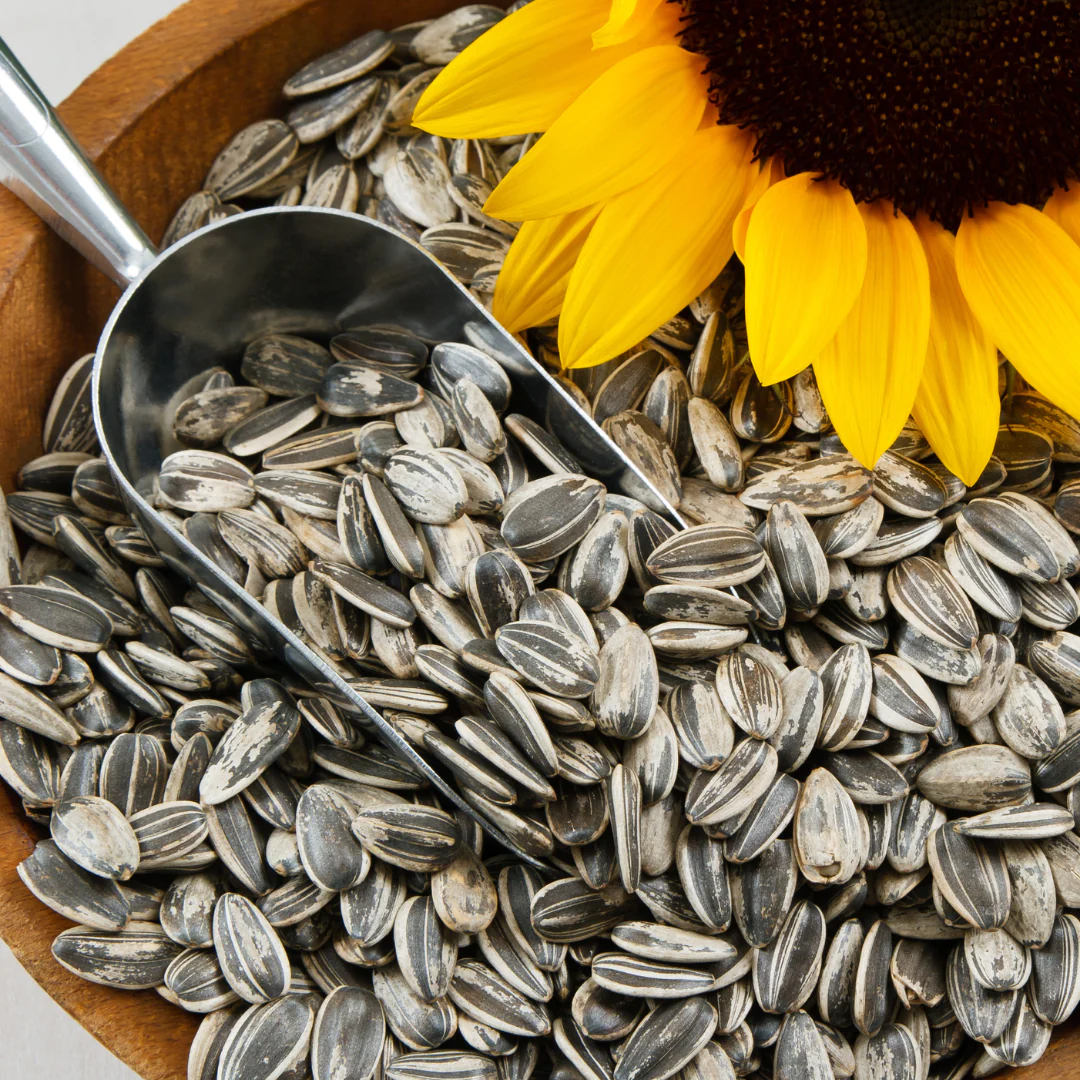
Unsalted sunflower seeds in shell constitute a significant segment of the global snack food industry, positioned as a natural, nutrient-rich, and convenient consumption option. Derived from the Helianthus annuus plant, these seeds undergo specific harvesting, drying, and grading processes to meet consumer demands and international quality standards. Their technical position within the agricultural supply chain begins with seed breeding and cultivation, progresses through harvesting and primary processing, and culminates in packaging and distribution. Core performance characteristics center around seed size, kernel weight, oil content, moisture content, and shell integrity. The inherent variability in these parameters necessitates rigorous quality control to ensure consistent product appeal and functionality. A key industry pain point is maintaining optimal moisture content to prevent aflatoxin development and ensure prolonged shelf life. Furthermore, achieving consistent shell thickness and minimizing the presence of damaged or underdeveloped seeds are crucial for consumer acceptance and minimizing processing inefficiencies in subsequent cracking or dehulling operations.
Material Science & Manufacturing
The primary raw material, sunflower seeds, are composed of approximately 35-50% oil, 20-30% protein, 15-25% carbohydrate, and 5-10% moisture. The oil is predominantly linoleic acid (omega-6) with smaller amounts of oleic acid (omega-9). The shell, or hull, is composed largely of cellulose and lignin, providing a protective barrier. Manufacturing begins with harvesting when seed moisture content reaches approximately 18-20%. Mechanical harvesting followed by initial drying is standard. Subsequent drying, typically employing forced-air systems, reduces moisture content to 8-10% to inhibit microbial growth and enzymatic activity. This drying process is critical; temperatures exceeding 60°C can denature proteins and degrade oil quality, leading to off-flavors. Size grading is performed using screens to separate seeds based on diameter. Debris removal, employing air separation and aspiration, is essential. The final step involves careful packaging to minimize moisture regain and protect against physical damage. Parameter control focuses on maintaining consistent drying temperatures, airflow rates, and grading screen sizes. Shell strength is influenced by calcium content during seed development; deficiencies can lead to brittle, easily cracked shells. Seed oil composition is significantly affected by genetic variety and environmental conditions, influencing oxidative stability.
Performance & Engineering
Performance analysis of sunflower seeds in shell centers on their structural integrity under compressive and impact loads, relevant to transportation and handling. Shell fracture toughness is a critical parameter, directly impacting the percentage of damaged kernels. Environmental resistance focuses on maintaining seed viability and preventing lipid oxidation. Oxygen transmission rate (OTR) through the packaging material is a key factor in extending shelf life. Moisture vapor transmission rate (MVTR) is equally important, as moisture regain promotes mold growth and aflatoxin contamination. Compliance requirements include adherence to maximum aflatoxin levels as stipulated by regulatory bodies (e.g., FDA, EFSA). Functional implementation involves understanding the seed’s response to cracking or dehulling forces. The shell’s elastic modulus and tensile strength determine the energy required for effective cracking without excessive kernel damage. Seed size uniformity is also important for automated processing equipment. Force analysis dictates that optimal packaging must withstand the rigors of the supply chain while minimizing compression damage to the seeds. Furthermore, the oil content impacts thermal conductivity, influencing storage temperature requirements to prevent rancidity.
Technical Specifications
| Parameter | Units | Typical Value | Testing Method |
|---|---|---|---|
| Kernel Weight | grams | 0.3 – 0.6 | Seed Analyzer (e.g., DICKEY-john) |
| Oil Content (Dry Basis) | % | 42 – 52 | Soxhlet Extraction (AOCS Official Method) |
| Moisture Content | % | 8 – 10 | Oven Drying (AACC Method 915.01) |
| Shell Thickness | mm | 0.5 – 1.2 | Micrometer |
| Kernel Damage (%) | % | < 5 | Visual Inspection (AOSA Guidelines) |
| Aflatoxin Level (B1, B2, G1, G2) | ppb | < 20 | HPLC with Fluorescence Detection (AOAC Official Method) |
Failure Mode & Maintenance
Sunflower seeds in shell are susceptible to several failure modes. Aflatoxin contamination is a primary concern, resulting from fungal growth (primarily Aspergillus flavus) during storage, exacerbated by high moisture content and inadequate ventilation. Lipid oxidation leads to rancidity, characterized by off-flavors and a decrease in nutritional value; this is accelerated by exposure to oxygen, light, and elevated temperatures. Shell cracking during handling and transportation results in kernel damage and increased susceptibility to moisture uptake and oxidation. Insect infestation can cause significant losses and contaminate the product. Moisture regain from inadequate packaging leads to clumping, mold growth, and reduced shelf life. Maintenance protocols involve proper storage conditions (cool, dry, dark), airtight packaging, and regular monitoring of moisture content and aflatoxin levels. Implementing a First-In, First-Out (FIFO) inventory management system minimizes storage duration. Preventive measures include utilizing packaging materials with low OTR and MVTR, incorporating desiccants into packaging, and employing proper sanitation practices throughout the processing and storage facilities. Regular inspection for insect activity and visual assessment of seed quality are also critical.
Industry FAQ
Q: What is the acceptable level of foreign material (e.g., stems, leaves, debris) in a commercial shipment of sunflower seeds in shell?
A: Industry standards, as defined by organizations like the National Sunflower Association (NSA), typically specify a maximum of 1% foreign material by weight. Exceeding this limit can result in rejection of the shipment, as it indicates insufficient cleaning during processing.
Q: How does the genetic variety of sunflower seeds impact their shelf life and susceptibility to lipid oxidation?
A: High-oleic sunflower varieties, containing predominantly oleic acid, exhibit significantly improved oxidative stability compared to traditional linoleic varieties. Oleic acid is less prone to peroxidation, resulting in a longer shelf life and reduced rancidity. Genetic breeding programs are continually focused on increasing the oleic acid content of commercially available varieties.
Q: What packaging materials are recommended to minimize moisture gain and oxygen exposure during long-term storage?
A: Multi-layer films incorporating aluminum foil or metallized polyester provide excellent barrier properties against both moisture and oxygen. High-density polyethylene (HDPE) bags with a moisture barrier layer are also commonly used. Vacuum packaging or modified atmosphere packaging (MAP) with nitrogen flushing can further enhance shelf life.
Q: What analytical methods are used to assess the quality and safety of sunflower seeds, specifically regarding aflatoxin levels?
A: High-Performance Liquid Chromatography with Fluorescence Detection (HPLC-FLD) is the standard method for quantifying aflatoxins (B1, B2, G1, G2). Enzyme-Linked Immunosorbent Assay (ELISA) is a rapid screening method, although HPLC-FLD is generally considered more accurate and reliable. Moisture content is determined by oven drying, and oil content by Soxhlet extraction.
Q: What are the key considerations when designing a storage facility for large volumes of sunflower seeds in shell?
A: Proper ventilation is paramount to prevent moisture buildup and maintain consistent temperature. The facility should be rodent-proof and insect-proof. Temperature control, ideally below 25°C, minimizes lipid oxidation. Humidity control, maintaining levels below 65% RH, inhibits mold growth. Regular cleaning and sanitation are essential to prevent contamination.
Conclusion
Unsalted sunflower seeds in shell represent a complex agricultural product with stringent quality and safety requirements. Maintaining optimal moisture content, minimizing lipid oxidation, and preventing aflatoxin contamination are critical challenges throughout the entire supply chain. Effective manufacturing practices, encompassing careful harvesting, drying, grading, and packaging, are essential for delivering a high-quality product.
Continued advancements in seed breeding, packaging technology, and storage management will be vital for extending shelf life, enhancing nutritional value, and ensuring the long-term sustainability of the sunflower seed industry. Adherence to international standards and rigorous quality control protocols remain paramount for maintaining consumer confidence and facilitating global trade.
