Introduction
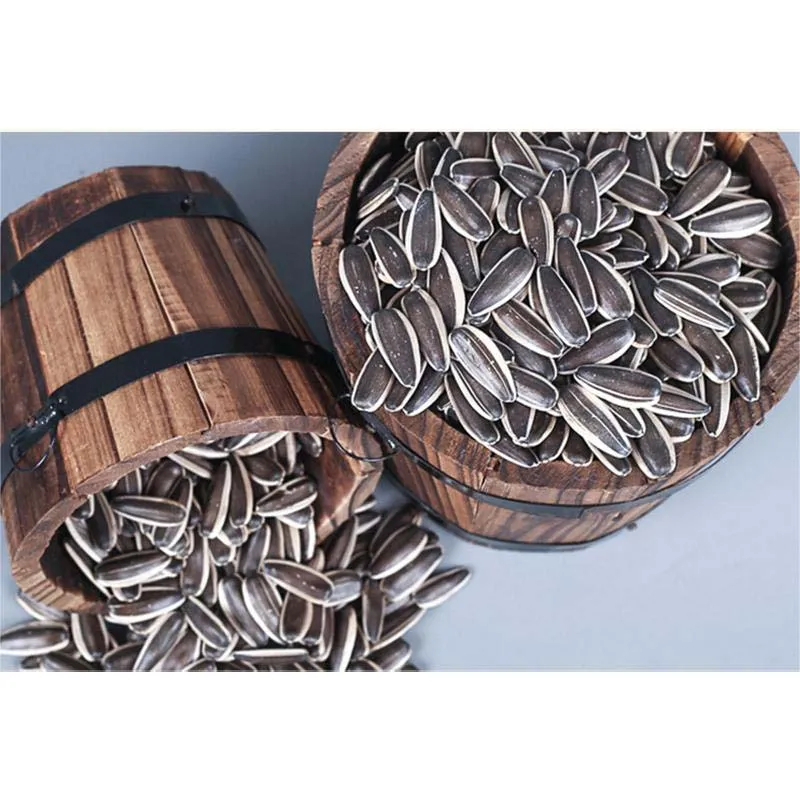
Unsalted sunflower seeds in shell represent a significant segment of the agricultural processing industry, positioned between primary agricultural production and consumer packaged goods. These seeds, Helianthus annuus, are processed for human consumption, primarily as a snack food but also finding application in bird feed and, to a lesser extent, as an ingredient in baked goods. The industry faces continuous challenges regarding seed quality, shell integrity, processing efficiency, and adherence to stringent food safety regulations. This guide provides an in-depth technical analysis of the manufacturing processes, material properties, performance characteristics, potential failure modes, and relevant standards governing the production of unsalted sunflower seeds in shell. The core performance metrics include kernel weight percentage, moisture content, defect rates (broken kernels, damaged shells), and adherence to permissible levels of contaminants. Procurement managers and engineers within the snack food and agricultural processing sectors require a detailed understanding of these parameters to ensure consistent product quality, optimize supply chains, and mitigate potential risks.
Material Science & Manufacturing
The raw material, sunflower seeds, are complex biological structures consisting of a kernel (the edible portion) and a hull (the protective shell). The kernel comprises approximately 40-50% oil, 20-30% protein, and 15-25% carbohydrates, along with vitamins and minerals. The shell, primarily composed of cellulose and lignin, provides physical protection during growth and handling. Seed quality varies significantly based on cultivar, growing conditions (temperature, rainfall, sunlight), and harvesting techniques.
Manufacturing processes typically involve several stages: pre-cleaning (removal of stalks, leaves, and other debris), dehulling (partial removal of shells – not complete for ‘in shell’ seeds), size grading (separation based on kernel size), density separation (removal of underdeveloped or damaged seeds), drying (reduction of moisture content to prevent spoilage – typically to 8-10%), and quality control (visual inspection, weight analysis, and moisture testing). Drying is a critical parameter, often employing controlled-temperature airflow systems. The temperature must be carefully managed to avoid thermal degradation of oils and proteins. Shell integrity is paramount; excessive mechanical handling during processing can cause cracking and damage. Key parameter control during manufacturing involves maintaining consistent airflow rates during drying, precise calibration of size-grading screens, and optimized conveyor speeds to minimize impact damage. Seed moisture content significantly influences shell brittleness; overly dry seeds are prone to shattering, while excessively moist seeds are susceptible to mold growth. The chemical composition of the seed oil, specifically the linoleic to oleic acid ratio, is also a crucial characteristic, impacting shelf life and flavor stability.
Performance & Engineering
The structural integrity of the sunflower seed shell is a critical performance parameter. Shell strength, measured as the force required to fracture the shell, is influenced by moisture content, thickness, and the presence of defects. A force analysis reveals that stress concentrations occur at points of impact or pre-existing cracks. Engineering considerations extend to the design of processing equipment to minimize these stresses. The seed’s resistance to environmental factors, particularly moisture and oxygen, determines its shelf life. Moisture ingress can lead to rancidity due to lipid oxidation, while oxygen exposure accelerates degradation of unsaturated fatty acids. Packaging materials play a crucial role in mitigating these effects. Compliance requirements, mandated by food safety agencies like the FDA (USA) and EFSA (Europe), dictate permissible levels of contaminants (aflatoxins, heavy metals, pesticides) and require adherence to Good Manufacturing Practices (GMP). Functional implementation requires precise control of process parameters to maintain acceptable kernel yield and minimize damage to the shell, balancing throughput with product quality. The ability to withstand bulk handling, transportation vibrations and the mechanical stresses of packaging are also important considerations.
Technical Specifications
| Parameter | Unit | Typical Value | Acceptable Range |
|---|---|---|---|
| Kernel Weight Percentage | % | 55-65 | 50-70 |
| Moisture Content (Kernel) | % | 8-10 | 6-12 |
| Shell Damage (Cracked/Broken) | % | <5 | <10 |
| Foreign Matter | % | <1 | <2 |
| Aflatoxin Level (B1) | ppb | <20 | <20 (Regulatory Limit) |
| Oil Content (Kernel) | % | 45-55 | 40-60 |
Failure Mode & Maintenance
Failure modes in unsalted sunflower seeds in shell can be broadly categorized into kernel-related and shell-related issues. Kernel failures include rancidity due to lipid oxidation (manifesting as off-flavors), insect infestation, and mold growth. Shell failures encompass cracking, chipping, and complete breakage. Fatigue cracking can occur during handling and transportation due to repeated stress. Delamination of the shell layers is less common but can occur with improper drying. Oxidation of the seed oil is a major degradation pathway, accelerated by exposure to oxygen and light. Preventive maintenance of processing equipment is crucial. This includes regular inspection and replacement of conveyor belts, cleaning of size-grading screens, and calibration of moisture sensors. Storage conditions are equally important; seeds should be stored in cool, dry, and dark environments. Implementing a robust pest control program is essential to prevent insect infestations. Regular quality control checks, including visual inspection for defects and laboratory analysis for moisture content and aflatoxin levels, are critical for identifying and addressing potential problems. Equipment maintenance schedules must include preventative measures for reducing the impact force on seeds during processing to minimize shell damage.
Industry FAQ
Q: What is the primary driver of rancidity in sunflower seeds, and how can it be mitigated?
A: The primary driver of rancidity is lipid oxidation, specifically the peroxidation of unsaturated fatty acids within the kernel oil. This is accelerated by exposure to oxygen, light, and elevated temperatures. Mitigation strategies include controlling moisture content during processing and storage, utilizing oxygen-barrier packaging materials (e.g., metallized films), and incorporating antioxidants (although this is less common for ‘unsalted’ products due to consumer preference). Proper storage in cool, dark, and dry conditions is also critical.
Q: How does shell thickness correlate with shipping damage rates?
A: Generally, increased shell thickness correlates with reduced shipping damage rates. A thicker shell provides greater physical protection against impact forces during handling and transportation. However, shell thickness is also cultivar-dependent and can influence kernel weight percentage. Optimizing shell thickness involves balancing damage resistance with overall seed quality and yield.
Q: What are the key considerations when selecting a drying system for sunflower seeds?
A: Key considerations include airflow rate, temperature control, and uniformity of drying. The system should be capable of removing moisture efficiently without causing thermal damage to the kernels. Maintaining a consistent temperature across the drying bed is crucial to prevent localized overheating. Automated control systems with real-time moisture monitoring are highly recommended.
Q: What are the permissible levels of Aflatoxin B1, and what steps can be taken to minimize its presence?
A: Regulatory limits for Aflatoxin B1 vary by country, but generally fall within the 20 ppb range. Minimizing its presence requires stringent quality control throughout the entire supply chain, including sourcing seeds from reputable suppliers, implementing effective pre-cleaning procedures, and maintaining proper storage conditions to prevent mold growth. Regular testing for aflatoxin levels is essential.
Q: What is the impact of seed size variation on processing efficiency and final product quality?
A: Significant seed size variation can reduce processing efficiency, particularly during size grading and packaging. It can also lead to inconsistencies in kernel weight percentage and visual appearance. Maintaining a consistent seed size through cultivar selection and careful harvesting practices is important for optimizing processing and ensuring uniform product quality.
Conclusion
The production of unsalted sunflower seeds in shell demands a comprehensive understanding of the interplay between material science, manufacturing processes, and performance characteristics. Maintaining seed quality, shell integrity, and adherence to stringent food safety regulations are paramount. Optimization of drying parameters, careful control of mechanical handling, and implementation of robust quality control measures are crucial for mitigating potential failure modes and ensuring consistent product quality.
Future advancements in this sector will likely focus on automated quality inspection systems utilizing machine vision, improved packaging materials with enhanced barrier properties, and more sustainable processing techniques to reduce energy consumption and waste generation. A continued emphasis on preventative maintenance and rigorous adherence to industry standards will remain essential for maintaining a competitive edge in the global market.
