
Introduction
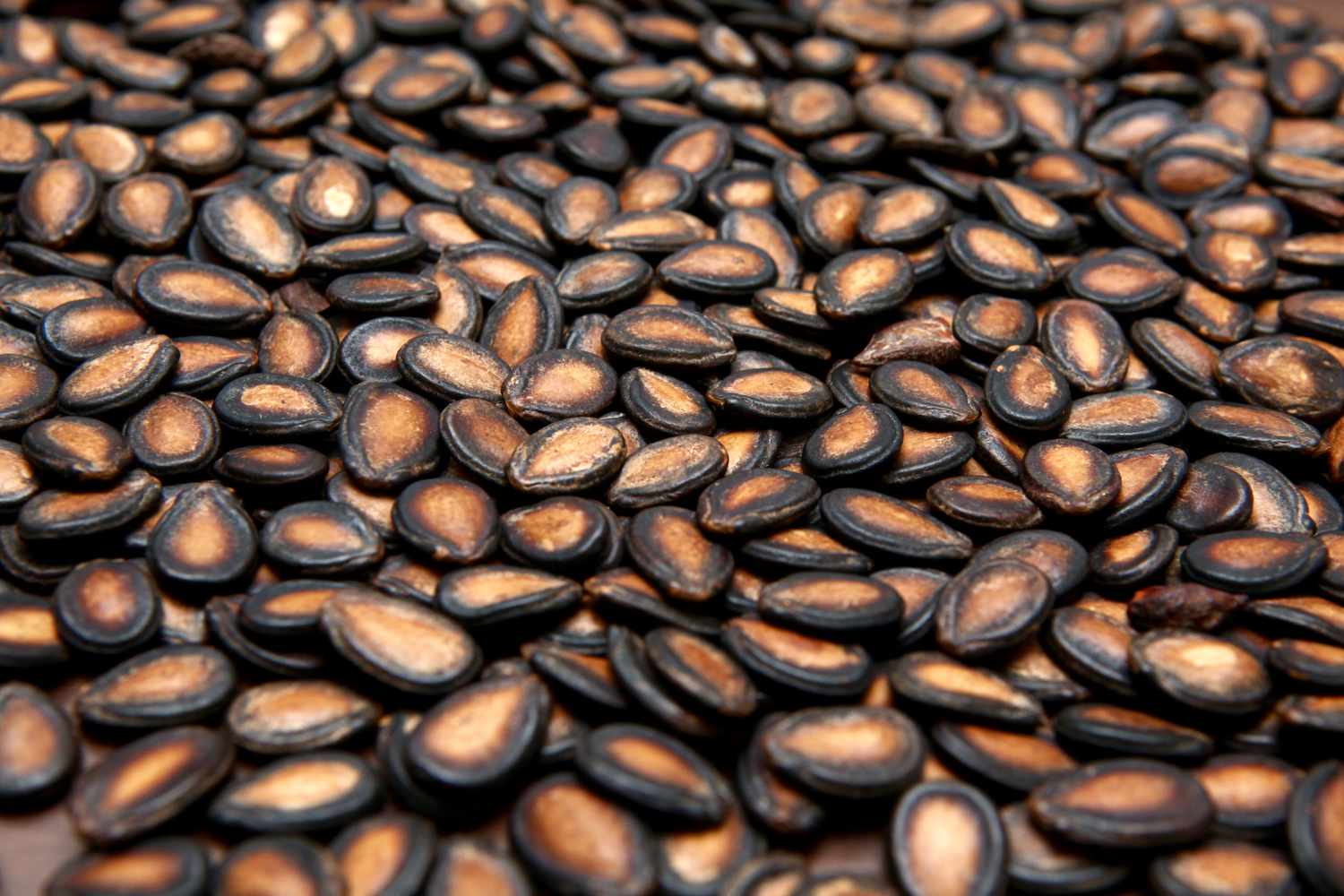
Unsalted sunflower seeds in shell represent a significant segment of the snack food industry, positioned between agricultural commodity processing and consumer packaged goods. These seeds, Helianthus annuus, are processed to retain the protective pericarp (shell), offering a distinct textural experience and perceived freshness compared to shelled varieties. This guide details the technical aspects of production, from seed selection and processing through to quality control, storage considerations, and potential failure modes. Core performance metrics center around kernel integrity, moisture content, oil content, and the absence of foreign material. The market demand is driven by consumer preferences for natural, minimally processed snacks, and the seeds' nutritional profile (high in Vitamin E, magnesium, and healthy fats). Key industry challenges include maintaining consistent seed size and shell strength for efficient processing, minimizing kernel damage during dehulling and drying, and ensuring adherence to stringent food safety regulations.
Material Science & Manufacturing
The foundational material is the sunflower seed itself, composed of the kernel (cotyledon) representing approximately 40-50% of the total seed weight, the shell (pericarp) constituting 25-35%, and the remaining portion comprising hull fragments and embryo. Kernel composition primarily consists of lipids (40-50%), protein (20-25%), carbohydrates (15-20%), and fiber. Shell composition is largely cellulose, hemicellulose, and lignin, providing structural rigidity. Manufacturing begins with seed selection, focusing on varieties with high oil content, consistent kernel size, and strong shells. Cleaning removes debris, chaff, and foreign matter. Dehulling is a crucial step; mechanical dehulling utilizes impact and friction, requiring precise calibration to minimize kernel damage. Drying, typically employing forced-air convection, reduces moisture content from ~20% to ~8-10% for preservation and optimal storage. This process is critically dependent on temperature control (40-60°C) to avoid lipid oxidation and protein denaturation. Shell strength is a key parameter, dependent on lignin content and cross-linking. Processing parameters like impact force during dehulling and drying temperature directly influence shell integrity. Quality control involves assessing kernel damage (splits, chips), foreign material content (using sieves and visual inspection), and moisture content (using a moisture analyzer based on capacitance principles). Grading is performed based on seed size, kernel fullness, and shell integrity.
Performance & Engineering
Performance characteristics are dictated by the interplay of material properties and processing conditions. Shell strength, quantified by impact resistance (measured in Joules) and fracture toughness, is paramount for maintaining kernel integrity during handling and transportation. Kernel hardness, determined by compression testing, influences the textural experience for the consumer. Oil stability, assessed through rancidity tests (Peroxide Value, Anisidine Value), dictates shelf life. The seeds are subjected to forces during processing (dehulling, conveying, packaging) and distribution (vibration, impact). Engineering considerations include designing dehulling machinery to minimize kernel damage, optimizing drying systems for uniform moisture removal, and selecting packaging materials with appropriate barrier properties to prevent moisture ingress and oxidation. Environmental resistance is primarily focused on moisture control; high humidity (>70% RH) can lead to fungal growth and lipid hydrolysis. Compliance requirements include adherence to food safety standards (FDA, EFSA), pesticide residue limits (regulated by governing bodies), and labeling regulations (nutritional information, allergen declarations). Finite element analysis (FEA) can be employed to model stress distribution within the seed during dehulling and optimize machine parameters.
Technical Specifications
| Parameter | Unit | Typical Value | Acceptable Range |
|---|---|---|---|
| Kernel Oil Content | % (Dry Basis) | 48% | 45-55% |
| Moisture Content (Kernel) | % | 8.5% | 7-10% |
| Shell Strength (Impact Resistance) | Joules | 2.5 | 2.0-3.0 |
| Kernel Damage (Splits/Chips) | % | 2% | <5% |
| Foreign Material | % | 0.1% | <0.5% |
| Peroxide Value (Oil) | meq O2/kg | 3 | <5 |
Failure Mode & Maintenance
Failure modes in unsalted sunflower seeds in shell encompass both kernel and shell degradation. Kernel rancidity, caused by lipid oxidation, is a primary concern, leading to off-flavors and reduced nutritional value. This is accelerated by high temperatures, exposure to oxygen, and enzyme activity. Shell cracking and chipping, resulting from mechanical stress during processing and handling, compromise kernel protection and increase susceptibility to moisture uptake. Fungal contamination, favored by high moisture content and warm temperatures, produces mycotoxins posing a health hazard. Insect infestation can occur during storage, leading to kernel damage and contamination. Maintenance focuses on preventative measures. Regular cleaning of processing equipment minimizes cross-contamination and fungal growth. Temperature and humidity control in storage facilities are critical for preserving seed quality. Proper packaging utilizing moisture-barrier films (e.g., metallized polyethylene terephthalate) extends shelf life. Implementing a first-in, first-out (FIFO) inventory system reduces storage duration. Routine monitoring of peroxide value and moisture content provides early detection of deterioration. Machine maintenance, including regular inspection and replacement of worn dehulling components, minimizes kernel damage. Pest control measures are essential for preventing insect infestation.
Industry FAQ
Q: What is the impact of sunflower seed variety on oil content and shell strength?
A: Different sunflower varieties exhibit significant variations in oil content and shell strength. High-oleic varieties generally have higher oil content (over 50%) but may have thinner shells. Confectionery varieties, specifically bred for in-shell consumption, prioritize shell strength and consistent kernel size over maximum oil yield. Breeding programs continuously aim to balance these traits, improving both oil content and shell integrity.
Q: How does moisture content affect the storage life of unsalted sunflower seeds in shell?
A: Moisture content is a critical factor influencing storage life. High moisture content (>10%) promotes fungal growth, insect infestation, and accelerates lipid oxidation. Maintaining a moisture content below 8% significantly inhibits these degradation processes. Proper drying and moisture-barrier packaging are essential for long-term storage stability.
Q: What are the key parameters to control during the drying process to minimize kernel damage?
A: The key parameters include drying temperature, airflow rate, and drying duration. Maintaining a temperature below 60°C prevents protein denaturation and lipid oxidation. Sufficient airflow ensures uniform moisture removal, avoiding localized overheating. Monitoring kernel temperature during drying prevents excessive heat exposure. Proper bed depth within the dryer promotes efficient airflow and prevents kernel compaction.
Q: What methods are used to assess kernel damage during dehulling?
A: Kernel damage is assessed visually through inspection, categorizing defects as splits, chips, or broken kernels. Automated image analysis systems can provide quantitative measurements of damage. Mechanical sieving separates damaged kernels based on size and shape. Further assessment involves measuring oil content in damaged kernels, as damage often leads to oil leakage and reduced quality.
Q: What are the implications of different packaging materials on the shelf life and quality of the product?
A: Packaging materials significantly influence shelf life. Moisture-barrier films (e.g., metallized PET) prevent moisture ingress, inhibiting fungal growth and lipid hydrolysis. Oxygen-barrier materials (e.g., EVOH) minimize oxidation. Light-blocking packaging protects against photo-oxidation. Proper sealing ensures an airtight environment, preserving freshness and preventing insect infestation. The choice of material depends on the desired shelf life and storage conditions.
Conclusion
The production of high-quality unsalted sunflower seeds in shell demands a rigorous understanding of material science, processing engineering, and quality control principles. Optimizing the dehulling and drying processes to minimize kernel damage and maintain shell integrity is crucial. Effective moisture management throughout the supply chain, coupled with appropriate packaging, is essential for maximizing shelf life and preserving the nutritional value of the seeds. Adherence to stringent food safety standards and regulatory compliance is paramount.
Future advancements may focus on developing improved dehulling technologies that further reduce kernel damage, utilizing predictive modeling to optimize drying parameters, and exploring novel packaging materials with enhanced barrier properties. Continued research into sunflower breeding programs will yield varieties with improved oil content, shell strength, and resistance to pests and diseases, ultimately contributing to a more sustainable and efficient production process.
