Introduction
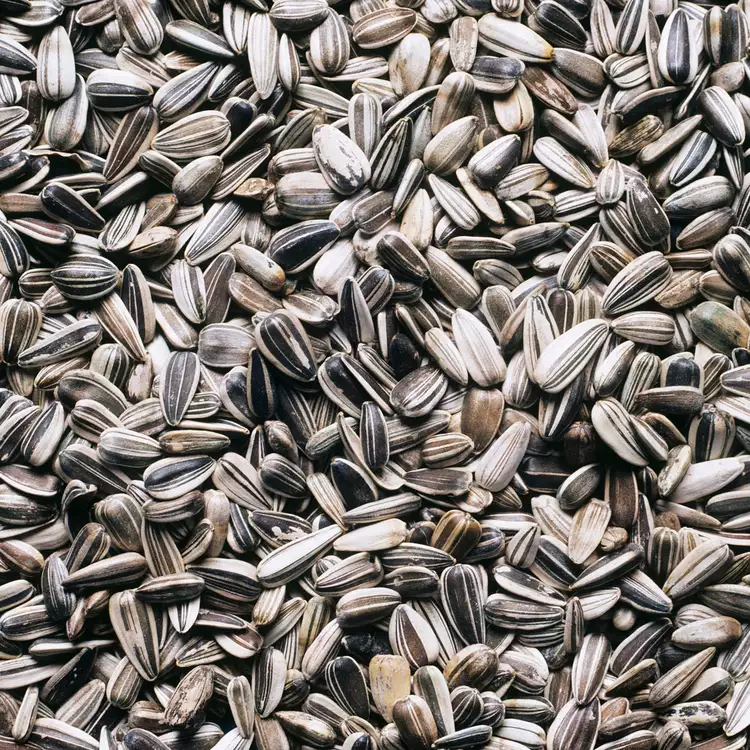
Unsalted sunflower seeds in shell represent a significant segment of the global snack food industry, bridging agricultural production with food processing and distribution. These seeds, botanically Helianthus annuus, are not merely a consumer product but a complex commodity subject to stringent quality control and logistical considerations. The ‘factory’ context implies a large-scale, commercially oriented operation encompassing cultivation, harvesting, processing (cleaning, drying, grading), packaging, and quality assurance. This guide details the technical aspects governing the production of unsalted sunflower seeds in shell, addressing key considerations from seed physiology and shell integrity to storage stability and regulatory compliance. The core performance characteristics—kernel weight, oil content, moisture content, and shell percentage—directly impact market value and consumer acceptance. A critical pain point in the industry is consistently achieving high kernel-to-shell ratios while maintaining seed viability and preventing aflatoxin contamination. The process is heavily reliant on optimized harvesting times, careful drying protocols, and rigorous quality control measures throughout the entire supply chain.
Material Science & Manufacturing
Sunflower seeds consist primarily of three components: the kernel (cotyledon), the shell (hull), and the embryonic root. The kernel comprises approximately 50-65% oil, 20-30% protein, and 10-15% carbohydrates. Oil composition is largely linoleic acid (a polyunsaturated omega-6 fatty acid), oleic acid (a monounsaturated fatty acid), and palmitic acid (a saturated fatty acid). The shell, composed of cellulose, hemicellulose, and lignin, provides physical protection to the kernel. Manufacturing begins with seed selection, prioritizing hybrids bred for high oil content, large kernel size, and robust shell integrity. Harvesting typically occurs when seed moisture content reaches 12-14% to minimize field losses and prevent premature germination. Mechanical harvesting employs combine harvesters equipped with specialized sunflower heads. Post-harvest processing involves cleaning (removal of chaff, stems, leaves), drying (reducing moisture content to 8-10% to inhibit mold growth and preserve oil quality, commonly utilizing forced-air dryers), de-stoning (removal of rocks and soil), and grading (separation based on size and weight using screens and air separators). Precise control of drying temperature (typically below 60°C) is critical to prevent denaturation of proteins and oxidation of lipids. Shell strength is a key parameter; weaker shells are more prone to cracking during handling and processing, leading to kernel damage and reduced quality. Chemical compatibility focuses on preventing interaction with metals (iron) during processing, which can catalyze oxidation reactions, impacting flavor and shelf life.
Performance & Engineering
Performance evaluation centers around several key parameters. Kernel hardness, measured using a penetrometer, correlates with processing efficiency and resistance to cracking. Shell tensile strength, determined through destructive testing, dictates the seeds’ ability to withstand handling and transportation stresses. Moisture content analysis, utilizing the oven-drying method (ASTM D1364), is crucial for determining storage stability. Oil content is quantified via Soxhlet extraction (AOAC Official Method 920.39). Environmental resistance is largely dictated by packaging. Exposure to oxygen, light, and moisture accelerates lipid oxidation and rancidity. Therefore, packaging materials must provide a robust barrier to these elements. Compliance requirements encompass food safety regulations such as the Food Safety Modernization Act (FSMA) in the US, which mandates Hazard Analysis and Critical Control Points (HACCP) plans to mitigate risks associated with biological, chemical, and physical hazards. Aflatoxin levels, produced by Aspergillus molds, are strictly regulated (typically below 20 ppb), necessitating rigorous sampling and testing protocols. Force analysis during processing focuses on minimizing impact forces during cleaning, drying, and grading to reduce kernel damage. The seeds' thermal properties, specifically their heat capacity and thermal conductivity, are important in optimizing drying processes.
Technical Specifications
| Parameter | Unit | Typical Value | Acceptable Range |
|---|---|---|---|
| Kernel Moisture Content | % (w/w) | 8.5 | 7.0 - 10.0 |
| Oil Content (Kernel) | % (w/w) | 55 | 48 - 62 |
| Kernel-to-Shell Ratio | % (w/w) | 60 | 55 - 65 |
| Shell Moisture Content | % (w/w) | 8.0 | 7.0 - 9.0 |
| Aflatoxin Level | ppb | <2 | <20 |
| Kernel Hardness | N | 45 | 35-55 |
Failure Mode & Maintenance
Common failure modes include kernel cracking due to mechanical stress during processing, shell breakage leading to vulnerability to pests and moisture absorption, and lipid oxidation resulting in rancidity. Aflatoxin contamination is a significant concern, particularly in humid climates. Fatigue cracking in shells can occur from repeated handling. Degradation of oil quality is accelerated by exposure to oxygen, light, and elevated temperatures. Maintenance focuses on preventing these failures. Regular cleaning and inspection of processing equipment (harvesters, dryers, graders) are essential. Proper calibration of machinery minimizes mechanical damage. Storage facilities must be dry, well-ventilated, and protected from pests. Controlling humidity and temperature during storage (typically 15-20°C and 60-70% relative humidity) minimizes oxidation and mold growth. Periodic testing for aflatoxin levels is crucial. Preventative maintenance schedules for drying equipment, including filter replacement and burner adjustments, ensure optimal performance and minimize energy consumption. Implementing robust pest control measures is vital to prevent insect infestation and aflatoxin contamination. Regular inspection of packaging materials for integrity (seals, punctures) is also critical.
Industry FAQ
Q: What are the critical factors influencing aflatoxin development in sunflower seeds?
A: Aflatoxin development is primarily influenced by seed moisture content, temperature, and the presence of Aspergillus spores. High moisture content (>10%) and warm temperatures (25-30°C) create ideal conditions for mold growth and toxin production. Proper drying and storage are essential to mitigate this risk. Careful monitoring and testing for aflatoxin levels are also critical.
Q: How does shell thickness impact processing efficiency and product quality?
A: Thicker shells provide greater protection to the kernel, reducing damage during handling and processing. However, excessively thick shells can increase the weight of the final product and potentially reduce the kernel-to-shell ratio. Optimal shell thickness balances these considerations. Processing equipment must be adjusted based on shell characteristics.
Q: What drying methods are most effective for preserving sunflower seed oil quality?
A: Forced-air drying is the most common method, but careful temperature control is crucial. Temperatures exceeding 60°C can lead to lipid oxidation and protein denaturation. Lower temperatures (40-50°C) with longer drying times are preferred. Superheated steam drying is an emerging technology that offers faster drying rates with minimal impact on oil quality.
Q: What are the key considerations for packaging sunflower seeds to maximize shelf life?
A: Packaging materials must provide a barrier to oxygen, light, and moisture. Multi-layer films incorporating aluminum foil or metallized polymers are commonly used. Vacuum packaging or modified atmosphere packaging (MAP) with nitrogen flushing can further extend shelf life by reducing oxygen levels. Proper sealing is also essential.
Q: How are kernel-to-shell ratios determined and why are they important?
A: Kernel-to-shell ratios are determined by separating the kernels and shells and weighing each component. The ratio is calculated as (Kernel Weight / (Kernel Weight + Shell Weight)) 100%. This ratio is important because it directly impacts the product’s value. A higher ratio indicates a more desirable product with less waste. It also influences consumer preference and pricing.
Conclusion
The production of unsalted sunflower seeds in shell is a multifaceted process demanding meticulous attention to detail across the entire supply chain. From seed selection and optimized harvesting to precise drying protocols and robust quality control, each stage influences the final product's characteristics and market value. Maintaining optimal moisture content, preventing aflatoxin contamination, and ensuring appropriate packaging are paramount to preserving seed viability and extending shelf life.
Future advancements are likely to focus on improved breeding programs to develop hybrids with enhanced shell strength and higher kernel-to-shell ratios, as well as innovative drying technologies that minimize energy consumption and preserve oil quality. Implementing advanced monitoring systems utilizing sensors and data analytics can enable real-time process control and predictive maintenance, further enhancing efficiency and reducing waste. Adherence to stringent international standards and continuous improvement in food safety practices will remain crucial for ensuring consumer confidence and maintaining a competitive edge in the global snack food market.
