Introduction
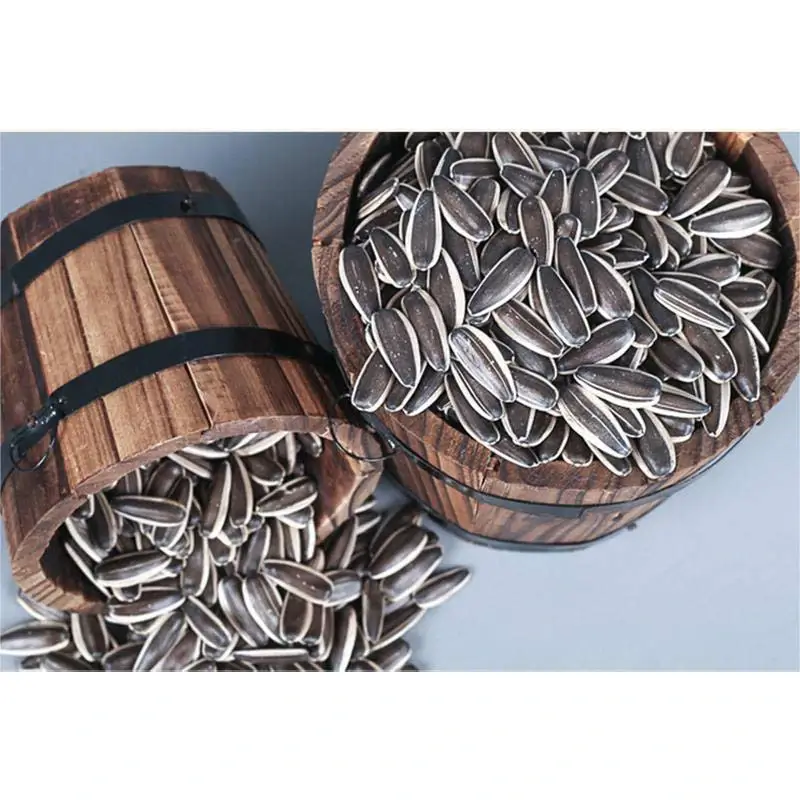
Unsalted sunflower seeds in shell represent a significant commodity in the global agricultural export market. These seeds, Helianthus annuus, are primarily sourced from regions with suitable climates for cultivation – notably Eastern Europe, Russia, Argentina, and increasingly, parts of the United States. The product is positioned within the food processing and snack food industry, serving both direct consumer markets and as a raw material for further processing into oil, confectionary ingredients, and animal feed. Core performance characteristics crucial to exporters encompass kernel content (percentage of seed weight comprised of the edible kernel), foreign matter content, moisture content, seed size uniformity, and adherence to stringent phytosanitary regulations. Industry pain points center on maintaining consistent quality across variable growing seasons, mitigating aflatoxin contamination, managing logistical challenges in bulk transport, and navigating evolving import regulations of destination countries. The unsalted, in-shell format demands specialized harvesting, drying, and grading procedures to maximize shelf life and consumer appeal. This guide provides a comprehensive technical overview for exporters, addressing material science, manufacturing processes, performance parameters, potential failure modes, and relevant international standards.
Material Science & Manufacturing
The primary material, the sunflower seed, is composed of approximately 35-45% oil, 20-30% protein, 15-25% carbohydrate (primarily cellulose in the shell), and 5-10% moisture. The shell itself is a lignocellulosic material, providing physical protection to the kernel. The kernel contains a significant proportion of linoleic acid (an omega-6 fatty acid) and vitamin E. Raw material variability is influenced by genetics (cultivar), soil composition, water availability, and pest/disease pressure. Manufacturing begins with harvesting, typically mechanically via combine harvesters. Seed cleaning is critical, removing chaff, stems, leaves, and other foreign matter using a combination of sieves, air separation, and magnetic separation (to remove metallic contaminants). Drying is paramount, reducing moisture content to 8-10% to inhibit fungal growth and enzymatic activity. This is often achieved using forced-air dryers, carefully controlling temperature (typically below 40°C to prevent protein denaturation) and airflow. Shell integrity is a key consideration during drying; excessive heat or rapid moisture removal can induce cracking. Grading involves size sorting using screens and visual inspection for defects (broken seeds, discolored seeds, insect damage). Quality control throughout the process relies on regular sampling and laboratory analysis for moisture content (using a moisture analyzer), oil content (using Soxhlet extraction), and aflatoxin levels (using HPLC or ELISA). Seed treatment with approved fungicides may be applied pre- or post-harvest to mitigate fungal contamination, adhering to permissible residue limits specified by importing countries.
Performance & Engineering
The mechanical properties of the sunflower seed shell are critical for handling and transport. Shell strength (resistance to cracking under compressive load) dictates the percentage of damaged kernels during processing. Finite element analysis (FEA) can be used to optimize shell thickness and composition for improved durability. Seed density affects segregation during transport and processing; higher density seeds are less prone to dust formation and improve packing efficiency. The moisture content gradient within the seed impacts its susceptibility to stress cracking. Environmental resistance is crucial for maintaining product quality during storage and transport. Exposure to elevated temperatures and humidity promotes lipid oxidation and the growth of mold. Packaging materials must provide a barrier to moisture and oxygen. Compliance requirements vary significantly by importing country. The European Union has strict regulations regarding mycotoxin levels (aflatoxins, ochratoxin A), pesticide residues, and heavy metal content. The United States Department of Agriculture (USDA) has similar regulations, with specific tolerance levels for contaminants. The packaging materials must also meet food contact regulations (e.g., FDA in the US, EFSA in Europe). Aflatoxin mitigation strategies, including proper drying, storage practices, and the use of aflatoxin binders, are critical for meeting international standards. The seeds undergo a shear force test to measure shell strength and kernel release force during cracking.
Technical Specifications
| Parameter | Unit | Typical Value | Acceptable Range (Export Grade) |
|---|---|---|---|
| Kernel Content | % (Weight Basis) | 58 | 55-65 |
| Moisture Content | % | 8.5 | 6.0-10.0 |
| Foreign Matter Content | % | 0.5 | ≤ 1.0 |
| Damaged Kernels | % | 2.0 | ≤ 3.0 |
| Aflatoxin B1 | ppb | <2 | ≤ 20 (EU standard, varies by country) |
| Oil Content (Kernel) | % | 48 | 45-55 |
Failure Mode & Maintenance
Sunflower seeds in shell are susceptible to several failure modes during storage and transport. Hygroscopic nature of the kernel leads to moisture absorption, promoting fungal growth and aflatoxin production. This is exacerbated by inadequate packaging or high humidity environments. Shell cracking, often caused by impact during handling or rapid drying, exposes the kernel to oxygen and accelerates rancidity (lipid oxidation). Insect infestation (e.g., storage beetles) can cause significant damage, reducing product quality and posing a health risk. Lipid oxidation results in off-flavors and a decrease in nutritional value. Maintenance strategies focus on preventative measures. Proper storage in cool, dry, and well-ventilated warehouses is critical. Temperature and humidity monitoring systems are essential. Regular inspection for signs of insect infestation is required. Effective pest control measures (including fumigation, if necessary and permitted) should be implemented. Packaging should provide a moisture and oxygen barrier. Rotation of stock (first-in, first-out) minimizes storage time. For damaged shells, segregation is necessary to prevent contamination of undamaged product. Aflatoxin testing should be conducted at regular intervals to ensure compliance with regulatory standards. The seeds are also prone to physical damage due to improper handling during transportation resulting in shell fragments.
Industry FAQ
Q: What are the critical factors determining the shelf life of in-shell sunflower seeds?
A: Shelf life is primarily determined by moisture content, storage temperature, oxygen exposure, and the initial level of aflatoxin contamination. Maintaining a low moisture content (8-10%), storing at cool temperatures (below 20°C), utilizing oxygen-barrier packaging, and ensuring minimal initial aflatoxin levels are paramount. Regular monitoring for signs of insect activity and fungal growth is also crucial.
Q: How does aflatoxin contamination occur, and what mitigation strategies are most effective?
A: Aflatoxin contamination is caused by Aspergillus flavus and Aspergillus parasiticus fungi, which thrive in warm, humid conditions. Contamination typically occurs in the field during drought stress or improper drying. Mitigation strategies include selecting drought-resistant cultivars, implementing proper harvesting techniques, ensuring rapid and thorough drying, utilizing antifungal treatments (where permitted), and rigorous quality control testing.
Q: What is the significance of kernel content, and how is it measured?
A: Kernel content, the percentage of seed weight comprised of the edible kernel, is a key indicator of product quality and yield. Higher kernel content translates to greater value for the buyer. It is typically measured by weighing a representative sample of seeds, separating the kernels from the shells, and calculating the percentage by weight. Standardized methods, such as those outlined by the American Oil Chemists' Society (AOCS), are used.
Q: What packaging materials are recommended for long-term storage and export?
A: Multi-layer packaging incorporating a moisture barrier (e.g., polyethylene) and an oxygen barrier (e.g., metallized polyester) is recommended. Woven polypropylene bags with polyethylene liners are commonly used for bulk shipments. The packaging should be robust enough to withstand handling during transport and protect the seeds from physical damage and environmental factors.
Q: What are the key differences in import regulations between the EU and the US regarding sunflower seeds?
A: Both the EU and the US have stringent regulations regarding aflatoxin levels, pesticide residues, and heavy metal content. However, the specific tolerance levels and testing protocols differ. The EU generally has more restrictive limits for aflatoxins. Additionally, the EU requires detailed traceability information, while the US focuses more on compliance with USDA standards and FSMA (Food Safety Modernization Act) requirements.
Conclusion
The successful export of unsalted sunflower seeds in shell hinges on a deep understanding of the product’s material science, meticulous manufacturing processes, and adherence to stringent quality control standards. Maintaining low moisture content, mitigating aflatoxin contamination, and protecting against physical damage are paramount. Exporters must prioritize robust packaging, effective pest control, and continuous monitoring throughout the supply chain.
Navigating the complexities of international regulations requires a proactive approach, including staying abreast of evolving standards and implementing comprehensive testing protocols. By focusing on these technical aspects, exporters can ensure product quality, minimize losses, and build long-term relationships with international buyers. Continuous improvement through data analysis and process optimization will remain crucial for sustained competitiveness in the global market.
