Introduction
Unsalted sunflower seeds in shell, as an export commodity, represent a significant segment within the global snack food and agricultural industries. These seeds, Helianthus annuus, are categorized under seed oil crops but are increasingly recognized for their direct consumption value. Their position in the supply chain originates from agricultural production, undergoing processing stages including harvesting, drying, cleaning, sizing, and quality control before export. The core performance characteristics determining market value center on kernel size, oil content, moisture content, foreign matter percentage, and adherence to phytosanitary regulations. A key industry pain point is maintaining consistent quality across harvests due to variations in growing conditions, and mitigating risks of aflatoxin contamination, a potent mycotoxin impacting food safety and trade compliance. The demand for unsalted varieties is driven by health-conscious consumers seeking a natural snack option. Successful exporters require a thorough understanding of international trade standards and logistics to ensure product integrity throughout the supply chain.
Material Science & Manufacturing
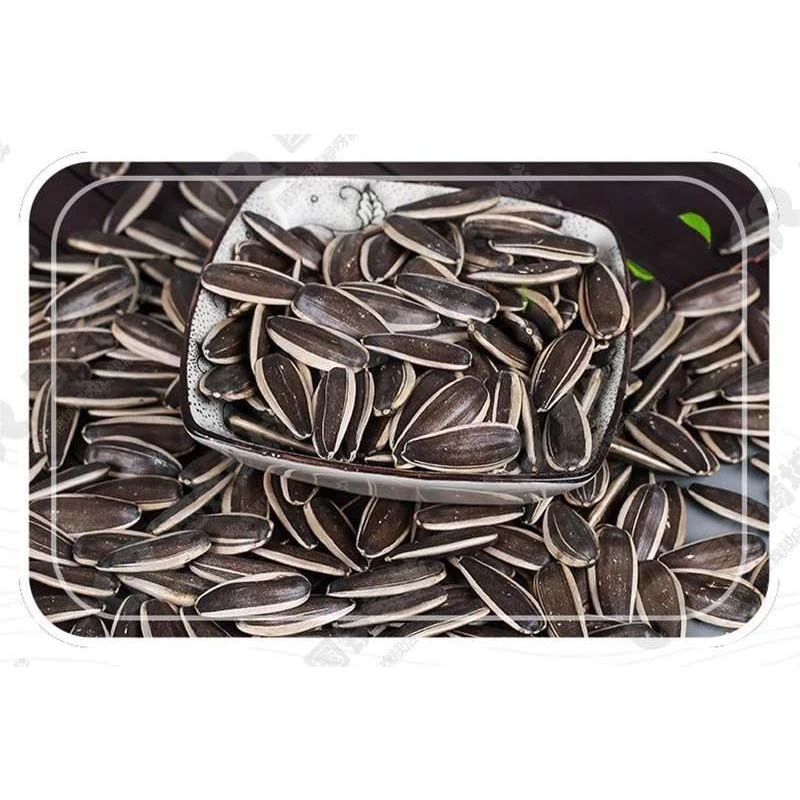
Sunflower seeds consist primarily of a shell (hull) and a kernel. The shell is composed of cellulose, hemicellulose, and lignin, providing structural rigidity and protection. The kernel contains approximately 40-50% oil, primarily linoleic acid (omega-6) and oleic acid (omega-9), along with 20-25% protein, carbohydrates, and various vitamins and minerals. Raw material selection prioritizes seed varieties with high oil content and large kernel size. Manufacturing begins with harvesting at optimal maturity – typically when the back of the seed head turns yellow-brown and bracts become dry. Drying is critical, employing forced-air systems to reduce moisture content from ~30% to ~8-10% to prevent mold growth and maintain seed viability. Cleaning removes debris such as stems, leaves, and other seeds using screens, aspirators, and destoners. Sizing separates seeds based on kernel size using screens or gravity separators. Quality control involves visual inspection for damaged or discolored seeds, and laboratory analysis for oil content, moisture content, and aflatoxin levels. Parameter control is paramount. Drying temperature must be carefully regulated (typically below 60°C) to avoid protein denaturation and oil oxidation. Cleaning efficiency directly impacts the final product purity. Seed storage conditions (temperature and humidity) are crucial for preserving quality during warehousing and transport. Shell strength is also a key consideration, impacting breakage during handling and transport. This is heavily influenced by genetics and environmental conditions during growth.
Performance & Engineering
The performance of unsalted sunflower seeds in shell is assessed through several key engineering properties. Shell strength, measured in force required for fracture, dictates handling robustness. This is critical during bulk loading, unloading, and transportation. Impact resistance, particularly important during transport, is linked to shell thickness and kernel density. Moisture content is a critical performance parameter. Excessive moisture promotes fungal growth and aflatoxin production. Insufficient moisture leads to brittleness and kernel damage. Oil stability, assessed by rancidity tests (Peroxide Value, Anisidine Value), determines shelf life. The seeds' ability to withstand varying temperatures during storage and transport is also vital. Force analysis under compression reveals the load-bearing capacity of the seeds during stacking and storage. Environmental resistance, specifically resistance to microbial degradation and insect infestation, necessitates proper storage conditions and, in some cases, preventative treatments (following regulatory guidelines). Compliance requirements include adherence to food safety regulations (e.g., FDA in the US, EFSA in Europe) regarding aflatoxin levels, pesticide residues, and heavy metal contamination. Packaging also plays a critical role in maintaining product quality by providing a barrier against moisture, oxygen, and light.
Technical Specifications
| Parameter | Unit | Typical Value | Testing Method |
|---|---|---|---|
| Kernel Size (Diameter) | mm | 10-14 | Sieve Analysis (ASTM E11) |
| Oil Content (Dry Basis) | % | 40-50 | Soxhlet Extraction (AOAC 920.39) |
| Moisture Content | % | 8-10 | Oven Drying (AOAC 925.10) |
| Foreign Matter | % | < 1 | Visual Inspection (ICC 104) |
| Aflatoxin B1 | ppb | < 2 | HPLC (AOAC 999.07) |
| Broken Kernels | % | < 3 | Visual Inspection (ICC 106) |
Failure Mode & Maintenance
Failure modes for unsalted sunflower seeds in shell primarily relate to quality degradation during storage and transport. Aflatoxin contamination is a critical failure, resulting from Aspergillus flavus and Aspergillus parasiticus fungal growth under high moisture and temperature conditions. Kernel cracking or breakage occurs due to mechanical stress during handling, leading to oil leakage and reduced market value. Rancidity develops due to oil oxidation, manifested by an off-flavor and odor. This is accelerated by exposure to oxygen, light, and elevated temperatures. Shell delamination can occur if seeds are dried too rapidly, causing stress fractures. Insect infestation can lead to significant product loss and contamination. Maintenance strategies focus on preventative measures. Proper drying and storage are crucial for minimizing aflatoxin risk. Controlled atmosphere storage (reducing oxygen levels) can slow down oxidation and insect activity. Temperature and humidity control during storage and transport are essential. Packaging materials should provide a barrier against moisture, oxygen, and light. Regular quality control testing (aflatoxin, moisture, oil stability) is necessary to detect and address issues promptly. Implementing a robust traceability system enables quick identification and recall of contaminated batches.
Industry FAQ
Q: What are the key regulations regarding aflatoxin levels in sunflower seeds destined for the European Union?
A: The European Union has stringent regulations regarding aflatoxin levels. Commission Regulation (EC) No 1881/2006 sets maximum levels for aflatoxins in foodstuffs, including sunflower seeds. Specifically, the maximum permissible level for total aflatoxins (B1, B2, G1, and G2) in sunflower seeds is generally 2 µg/kg, and for aflatoxin B1 is 1 µg/kg. Exporters must provide certificates of analysis demonstrating compliance with these standards.
Q: How does kernel size impact the export price of sunflower seeds?
A: Kernel size is a significant determinant of export price. Larger kernels generally command a higher price due to their higher oil content and desirability for direct consumption. Seed grading standards often categorize seeds based on kernel size, with premium grades assigned to larger seeds. Buyers typically prefer consistent kernel size within a shipment, as it facilitates automated processing and reduces waste.
Q: What is the importance of moisture content control during storage, and what are the recommended levels?
A: Moisture content is critical for preventing fungal growth and aflatoxin contamination. Maintaining low moisture levels inhibits Aspergillus development. The recommended moisture content for long-term storage is 8-10%. Exceeding this level significantly increases the risk of spoilage. Proper ventilation and temperature control are essential for maintaining optimal moisture levels during storage.
Q: What packaging materials are recommended for maintaining the quality of sunflower seeds during long-distance transport?
A: Packaging materials should provide a barrier against moisture, oxygen, and light. Multi-layer woven polypropylene bags with polyethylene liners are commonly used. Some exporters also utilize vacuum packaging or modified atmosphere packaging (MAP) to further extend shelf life. The packaging must also be robust enough to withstand the rigors of transport, including stacking and handling.
Q: What phytosanitary certifications are typically required for exporting sunflower seeds?
A: Phytosanitary certifications are essential for demonstrating freedom from pests and diseases. The specific requirements vary depending on the importing country. Generally, a phytosanitary certificate issued by the exporting country's national plant protection organization is required. Some countries may also require additional testing for specific pests or diseases.
Conclusion
The export of unsalted sunflower seeds in shell necessitates a holistic understanding of agricultural science, processing technology, and international trade regulations. Maintaining consistent quality, particularly in relation to aflatoxin levels and moisture content, is paramount for market access and consumer safety. Successful exporters prioritize raw material selection, implement rigorous quality control measures throughout the supply chain, and adhere to stringent phytosanitary requirements.
Future trends in the industry will likely focus on sustainable agricultural practices, improved seed varieties with enhanced oil content and disease resistance, and advanced packaging technologies to extend shelf life and reduce food waste. A continued emphasis on traceability and transparency will be crucial for building consumer trust and ensuring the long-term viability of the unsalted sunflower seed export market.
