Introduction
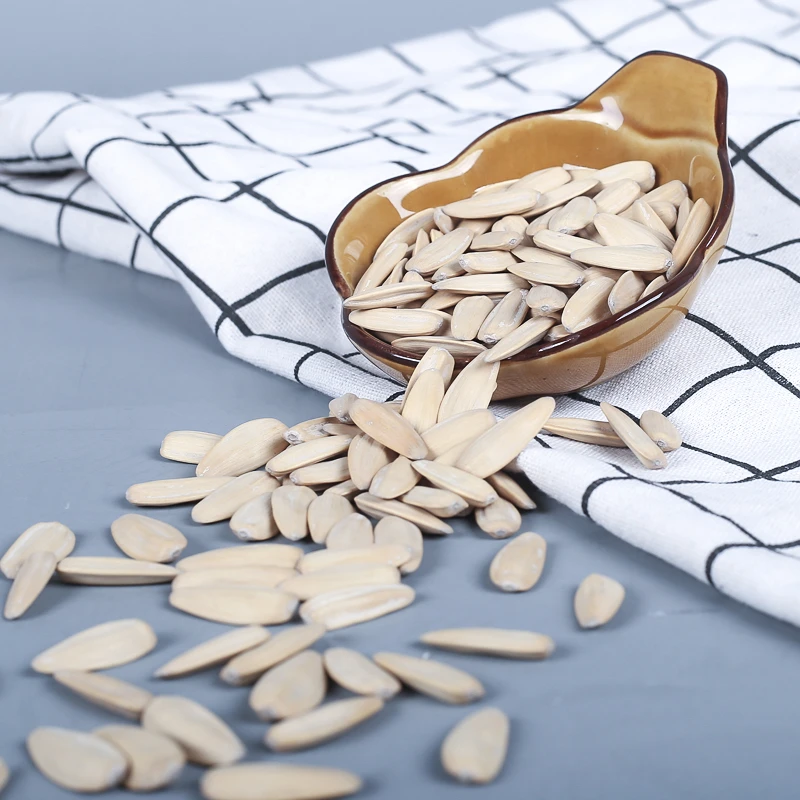
Unroasted sunflower seeds represent a foundational agricultural commodity within the broader edible seed market, serving as both a direct consumer product and a critical input for oil extraction, confectionery applications, and animal feed. Suppliers operating in this sector navigate a complex interplay of agronomic practices, post-harvest handling, quality control measures, and international trade regulations. This guide provides an in-depth technical overview of unroasted sunflower seeds, focusing on the key characteristics relevant to B2B procurement, processing, and quality assurance. Core performance attributes include oil content, protein profile, moisture levels, hulling percentage, and the presence of mycotoxins and other contaminants. The industry's primary pain points revolve around consistent quality across harvests, mitigating aflatoxin risks, optimizing logistical efficiencies for seed transport, and meeting increasingly stringent food safety standards demanded by global markets. Effective sourcing relies heavily on understanding the factors influencing seed quality at the point of origin and implementing robust quality assessment protocols throughout the supply chain.
Material Science & Manufacturing
Sunflower seeds ( Helianthus annuus ) are comprised of a kernel encased within a hull. The kernel consists of approximately 50-60% oil, 20-25% protein, 10-15% carbohydrates, and 5-10% moisture. The oil is predominantly composed of linoleic acid (a polyunsaturated omega-6 fatty acid) and oleic acid (a monounsaturated fatty acid). Kernel hardness is determined by the chemical composition of the seed coat, primarily cellulose and lignin. Manufacturing begins with seed selection based on variety, targeting high oil content and desirable fatty acid profiles. Post-harvest processing includes cleaning to remove debris (stalks, leaves, and other seeds), drying to reduce moisture content to around 8-10% for safe storage (critical to prevent mold growth and aflatoxin production), and hulling to separate the kernel from the hull. Hulling methods include mechanical abrasion, impact, and aspiration. Key parameter control during drying involves maintaining temperature below 45°C to prevent protein denaturation and oil oxidation. Precise calibration of hulling equipment is essential to minimize kernel damage. Seed grading follows, based on size, shape, color, and the percentage of damaged kernels. Modern sorting uses optical sensors to detect and remove discolored or broken seeds. Chemical compatibility is crucial during storage – seeds should be stored in clean, dry, well-ventilated facilities, avoiding contact with materials that could cause contamination or off-flavors. Seed treatment with food-grade fungicides is practiced to inhibit mold growth during storage and transport, however, residue levels must adhere to regulatory limits.
Performance & Engineering
Performance evaluation of unroasted sunflower seeds focuses on several key engineering properties. Bulk density is critical for storage and transportation logistics; typical values range from 650-750 kg/m³. Angle of repose dictates flowability and is affected by seed shape and surface characteristics. Tensile strength, measured using single kernel rupture strength (SKRS), assesses kernel hardness and resistance to cracking during processing. Moisture content is paramount; levels above 10% significantly increase the risk of fungal growth and mycotoxin contamination. Environmental resistance considerations involve protecting seeds from temperature fluctuations, humidity, and insect infestation during storage and transport. Compliance requirements are governed by food safety regulations, including those pertaining to mycotoxin levels (aflatoxins, ochratoxins), pesticide residues, and heavy metal contamination. Functional implementation – for example, oil extraction – relies on optimizing seed preparation parameters (flaking thickness, cooking temperature, pressing pressure) to maximize oil yield and minimize oil quality degradation. Furthermore, seed size uniformity impacts the efficiency of dehulling and oil extraction processes. Proper ventilation is an essential engineering control to maintain optimal storage conditions and prevent localized heating, which can accelerate spoilage.
Technical Specifications
| Parameter | Unit | Typical Range | Testing Method |
|---|---|---|---|
| Oil Content (Dry Basis) | % | 42-58 | Soxhlet Extraction (AOAC 920.39) |
| Protein Content (Dry Basis) | % | 18-28 | Kjeldahl Method (AOAC 920.87) |
| Moisture Content | % | 8-10 | Oven Drying (AOAC 925.10) |
| Hulling Percentage | % | 60-75 | Manual Hulling & Weighing |
| Aflatoxin B1 | ppb | < 5 | ELISA (Enzyme-Linked Immunosorbent Assay) |
| Kernel Size (Diameter) | mm | 8-12 | Sieve Analysis |
Failure Mode & Maintenance
Failure modes in unroasted sunflower seeds primarily relate to quality degradation during storage and transportation. Aflatoxin contamination is a critical failure mode, resulting from fungal growth ( Aspergillus flavus and Aspergillus parasiticus ) under high moisture and temperature conditions. This poses a significant health risk and renders the product unusable. Lipid oxidation, evidenced by rancidity, occurs due to exposure to oxygen, light, and elevated temperatures, leading to off-flavors and reduced nutritional value. Mechanical damage during hulling and handling (cracked kernels) reduces processing efficiency and seed quality. Insect infestation can cause significant losses and contamination. Maintenance strategies focus on preventative measures. Temperature and humidity control during storage are paramount; maintaining temperatures below 15°C and humidity below 65% inhibits fungal growth and slows oxidation. Regular inspection for signs of infestation is essential. Proper cleaning and sanitation of storage facilities are critical. Implementing a First-In, First-Out (FIFO) inventory management system minimizes storage time. Seed treatment with food-grade fungicides can provide a protective barrier against mold growth, but must comply with regulatory limits. Packaging should be airtight and opaque to minimize exposure to oxygen and light. Effective quality control protocols, including regular testing for mycotoxins and oil quality parameters, are vital for detecting and addressing potential issues before they escalate.
Industry FAQ
Q: What are the key factors influencing aflatoxin levels in sunflower seeds?
A: Aflatoxin production is primarily driven by moisture content, temperature, and seed damage. High moisture levels (>10%) and warm temperatures (25-35°C) create ideal conditions for Aspergillus flavus growth. Seed damage provides entry points for fungal infection. Agronomic practices, such as timely harvesting and proper drying, are crucial for minimizing aflatoxin risk.
Q: How is oil content determined and what is its significance?
A: Oil content is typically determined using Soxhlet extraction, as outlined in AOAC method 920.39. It's a critical quality parameter as it directly impacts the economic value of the seeds, especially for oil extraction applications. Higher oil content translates to greater oil yield and profitability.
Q: What are the acceptable limits for foreign material in a shipment of unroasted sunflower seeds?
A: Acceptable limits vary depending on the buyer’s specifications and the intended use of the seeds. However, industry standards generally allow for a maximum of 1-2% foreign material, including stalks, leaves, stones, and other seeds. Exceeding these limits can result in rejection of the shipment.
Q: What is the recommended storage temperature and humidity for long-term seed preservation?
A: The recommended storage temperature is below 15°C (59°F) and relative humidity below 65%. These conditions minimize fungal growth, lipid oxidation, and insect infestation, preserving seed quality and viability for extended periods.
Q: What quality certifications are commonly requested by international buyers of sunflower seeds?
A: Common certifications include ISO 9001 (Quality Management System), HACCP (Hazard Analysis and Critical Control Points), and Global GAP (Good Agricultural Practice). Buyers may also require documentation demonstrating compliance with specific country-level food safety regulations and mycotoxin limits.
Conclusion
Unroasted sunflower seeds represent a complex agricultural product requiring meticulous attention to detail throughout the entire supply chain. Successful procurement relies on a thorough understanding of material science principles, manufacturing processes, and critical quality parameters, particularly concerning oil content, moisture levels, and mycotoxin contamination. Proactive implementation of robust quality control measures, optimized storage conditions, and adherence to international standards are essential for mitigating risks and ensuring consistent product quality.
Future trends in the industry are likely to focus on developing sunflower varieties with enhanced oil profiles (e.g., high oleic acid content), improved resistance to diseases and pests, and increased drought tolerance. Precision agriculture techniques, utilizing data analytics and sensor technologies, will play a growing role in optimizing crop yields and minimizing quality variations. Continued advancements in mycotoxin detection and control technologies will be critical for safeguarding food safety and maintaining market access.
