Introduction
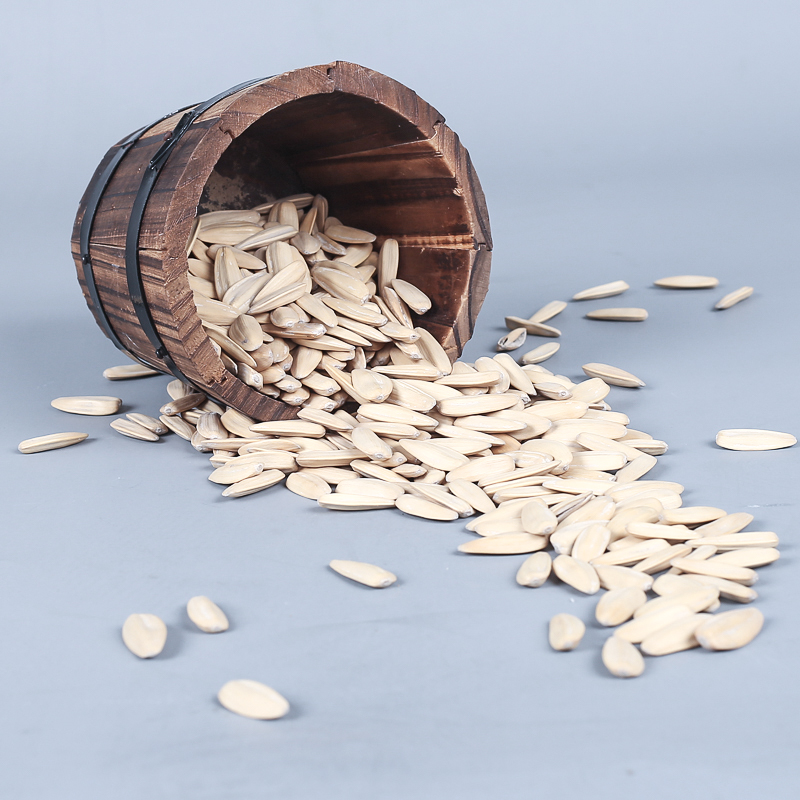
Unroasted sunflower seeds represent a critical intermediate product within the broader snack food and agricultural commodities industries. Positioned between primary agricultural production and final consumer packaging, these seeds function as a foundational ingredient for a diverse range of applications including direct roasting and seasoning for snack consumption, oil extraction, and incorporation into processed food formulations. Their technical significance lies in the consistency of kernel size, moisture content, oil yield, and absence of detrimental contaminants. This guide provides an in-depth examination of the material science, manufacturing processes, performance parameters, potential failure modes, and relevant standards pertaining to unroasted sunflower seed supply, geared towards procurement and quality control professionals in the food processing sector. A key pain point in the industry centers around maintaining consistent quality across harvests, mitigating aflatoxin contamination, and ensuring traceability throughout the supply chain.
Material Science & Manufacturing
The foundational material is Helianthus annuus, the common sunflower. The kernel, constituting approximately 65-75% of the seed's total weight, is primarily composed of lipids (40-55% oil content, largely linoleic acid), proteins (18-24%), carbohydrates (10-20%), and fiber. The hull (or husk) consists of cellulose and lignin, providing structural protection. Raw material variability is influenced by genetics (hybrid varieties engineered for oil content and yield), soil composition, climate (temperature and rainfall during maturation), and harvesting techniques.
Manufacturing begins with field harvesting, typically employing combine harvesters equipped with seed-specific headers. Post-harvest processing includes cleaning to remove debris (stalks, leaves, stones), drying to reduce moisture content (target 8-10% for storage stability – exceeding this promotes fungal growth and aflatoxin production), dehulling (mechanical cracking and aspiration to separate hulls), and sizing/grading (based on kernel diameter and weight). Critical parameters during drying include temperature (maintained below 60°C to prevent protein denaturation and oil oxidation), airflow, and drying time. Dehulling efficiency is paramount – incomplete dehulling impacts downstream processing and final product acceptability. Optical sorting technologies utilizing color and shape recognition are increasingly employed to remove discolored or damaged seeds. Seed conditioning, involving the controlled addition of minimal moisture, may be undertaken prior to packaging to prevent brittleness during transport. The entire process must adhere to strict hygiene protocols to prevent microbial contamination.
Performance & Engineering
Critical performance characteristics relate to oil yield upon extraction (influenced by kernel lipid content and cellular structure), protein quality (amino acid profile relevant for animal feed applications), and storage stability. Moisture content is a primary determinant of shelf life; high moisture promotes rancidity and microbial proliferation. Kernel hardness, a function of hull integrity and kernel density, affects dehulling efficiency and breakage rates during handling. Force analysis during dehulling reveals that optimal force application minimizes kernel damage while maximizing hull removal. Environmental resistance considerations include protection from insect infestation (storage facilities must be hermetically sealed and regularly monitored), rodent damage, and temperature fluctuations (ideal storage temperature is between 10-15°C). Compliance requirements, particularly regarding aflatoxin levels, are paramount (see Standards & Regulations). Functional implementation centers around ensuring consistent seed characteristics to enable efficient downstream processing – for example, a uniform seed size facilitates consistent roasting and seasoning application. Maintaining consistent oil content is vital for oil extraction operations.
Technical Specifications
| Parameter | Specification (Standard Grade) | Specification (Premium Grade) | Test Method |
|---|---|---|---|
| Moisture Content | ≤ 10.0% | ≤ 8.5% | ASTM D955 |
| Oil Content (Dry Basis) | ≥ 48.0% | ≥ 52.0% | AOAC 920.39 |
| Kernel Size (Diameter, mm) | 14.0 – 16.0 mm | 15.0 – 17.0 mm | Sieve Analysis (ASTM E11) |
| Broken Kernels (%) | ≤ 5.0% | ≤ 2.0% | Visual Inspection |
| Hull Content (%) | ≤ 3.0% | ≤ 1.0% | Separation & Weighing |
| Aflatoxin Levels (ppb) | ≤ 20 ppb | ≤ 5 ppb | HPLC (AOAC 999.07) |
Failure Mode & Maintenance
Common failure modes include: Aflatoxin Contamination: Caused by Aspergillus flavus and Aspergillus parasiticus fungi, exacerbated by high moisture content and improper storage. Mitigation requires stringent drying procedures, effective storage pest control, and regular testing. Rancidity: Resulting from lipid oxidation, accelerated by exposure to oxygen, light, and elevated temperatures. Prevented through controlled atmosphere packaging (nitrogen flushing) and cold storage. Kernel Damage/Breakage: Occurs during harvesting, dehulling, and handling. Minimized by optimizing equipment settings and implementing gentle handling procedures. Insect Infestation: Leads to seed loss and potential contamination. Controlled by hermetic storage and the use of approved fumigants or inert gases. Microbial Spoilage: Driven by high moisture and improper sanitation. Addressed through strict hygiene protocols and moisture control. Maintenance involves regular calibration of processing equipment (dehullers, optical sorters, dryers), implementation of a preventative maintenance schedule to minimize downtime, and thorough cleaning and sanitation of all facilities to prevent cross-contamination.
Industry FAQ
Q: What are the primary factors contributing to aflatoxin contamination in sunflower seeds?
A: Aflatoxin contamination is primarily driven by environmental conditions favorable to Aspergillus flavus growth – specifically, high temperatures, high humidity, and physical damage to the seed coat. Poor harvesting practices, inadequate drying, and improper storage conditions significantly increase the risk. Certain sunflower varieties exhibit greater susceptibility. Regular monitoring and adherence to strict quality control measures throughout the supply chain are essential.
Q: How does moisture content impact the storage life of unroasted sunflower seeds?
A: Moisture content is arguably the single most critical factor affecting storage life. Above 10%, the risk of fungal growth, aflatoxin production, and rancidity increases exponentially. Below 8%, the seeds become brittle and prone to breakage during handling. Maintaining a moisture content between 8-10% through proper drying and controlled atmosphere packaging is crucial for maximizing shelf life.
Q: What methods are used to determine oil content and ensure consistency?
A: Oil content is typically determined using solvent extraction methods, specifically Soxhlet extraction (AOAC 920.39). Near-infrared (NIR) spectroscopy is increasingly employed as a rapid, non-destructive alternative. Ensuring consistency requires sourcing seeds from reputable suppliers, implementing rigorous quality control checks at each stage of processing, and maintaining detailed records of oil content analysis.
Q: What is the significance of kernel size and how is it controlled?
A: Kernel size affects downstream processing efficiency, particularly in roasting and seasoning operations. A uniform kernel size ensures consistent heat penetration and seasoning adherence. Control is achieved through selecting specific sunflower varieties known for consistent kernel size, employing precise grading and sizing equipment, and minimizing physical damage during handling.
Q: What traceability measures are typically implemented to ensure seed origin and quality?
A: Robust traceability systems are essential for maintaining quality control and enabling rapid response to potential contamination issues. This includes detailed record-keeping of seed origin (farm location, harvest date), processing history (drying temperatures, dehulling parameters), and quality control data (moisture content, oil content, aflatoxin levels). Batch coding and lot tracking are commonly employed to facilitate traceability throughout the supply chain.
Conclusion
The supply of unroasted sunflower seeds is a complex process requiring meticulous attention to detail from farm to processing facility. Maintaining consistent quality, mitigating aflatoxin risk, and adhering to stringent regulatory standards are paramount. Effective moisture management, careful control of processing parameters, and implementation of robust traceability systems are essential for ensuring a reliable supply of high-quality seeds.
Future trends in this sector will likely focus on advancements in genetic engineering to develop varieties with enhanced oil content, improved resistance to pests and diseases, and reduced susceptibility to aflatoxin contamination. The integration of advanced data analytics and machine learning to optimize processing parameters and predict quality issues will also play an increasingly important role in improving efficiency and minimizing waste. Continued investment in research and development will be crucial for meeting the evolving demands of the snack food and oilseed industries.
