Introduction
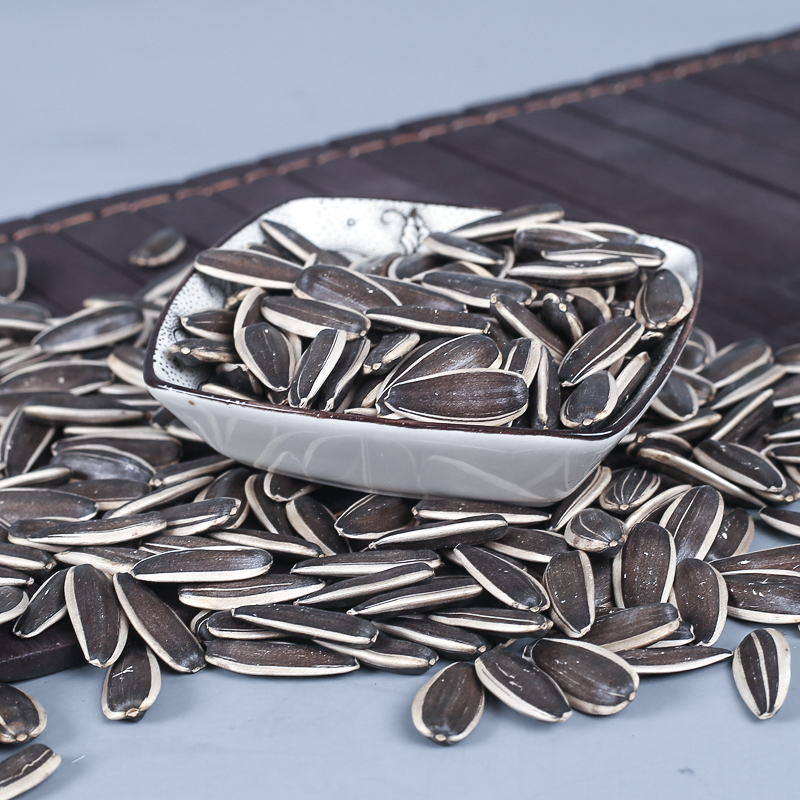
Unroasted sunflower seeds ( Helianthus annuus) represent a significant commodity within the snack food and ingredient supply chains. These seeds occupy a crucial position between agricultural production and food processing, functioning as both a direct consumer product and a precursor to sunflower oil, protein isolates, and other value-added components. The market demands consistent quality concerning size, oil content, protein levels, and importantly, the absence of microbial contamination and foreign materials. This guide provides an in-depth technical analysis of unroasted sunflower seeds, covering material science, manufacturing processes, performance characteristics, failure modes, and relevant industry standards. The core challenge facing producers and processors lies in maintaining seed integrity throughout the post-harvest handling, storage, and packaging phases to preserve nutritional value and prevent rancidity. Achieving optimal seed quality demands stringent control over moisture content, temperature, and exposure to oxygen and light. The current industry faces increasing pressure to deliver products meeting both food safety regulations and consumer demands for natural, minimally-processed snack options.
Material Science & Manufacturing
Sunflower seeds comprise a complex biological matrix. The seed coat (pericarp) is primarily composed of cellulose, hemicellulose, and lignin, providing a protective barrier. The kernel consists of approximately 50-55% oil, predominantly linoleic acid (a polyunsaturated omega-6 fatty acid), 20-25% protein, and 10-15% carbohydrates. Minor constituents include vitamins (E, B vitamins), minerals (magnesium, selenium), and phenolic compounds. The oil’s susceptibility to oxidation is a critical material property. Manufacturing begins with harvesting, typically mechanical, followed by drying to reduce moisture content to approximately 8-10%. This drying stage is paramount; improper drying leads to cracking, increased susceptibility to mold growth ( Aspergillus flavus is a primary concern, producing aflatoxins), and reduced shelf life. Hulling removes the pericarp, impacting both the seed’s texture and its oil absorption rate during roasting (even for ‘unroasted’ seeds, residual heat from processing can initiate lipid oxidation). Grading separates seeds based on size and density, eliminating debris and broken kernels. Key parameters controlled during manufacturing include drying temperature (maintained below 60°C to minimize protein denaturation and oil degradation), hulling impact force (optimized to minimize kernel damage), and cleaning efficiency (removing foreign matter like stems, leaves, and stones). Seed quality significantly influences the subsequent processing stages, impacting oil yield and protein extractability.

Performance & Engineering
Performance assessment of unroasted sunflower seeds focuses on several key parameters. Hardness, measured using a penetrometer, dictates the ease of shelling and consumer acceptability. Moisture content, typically determined by oven drying or near-infrared spectroscopy, is critical for shelf stability; exceeding 10% promotes microbial growth and lipid oxidation. Oil content, usually assessed via solvent extraction (hexane is common), is a primary economic driver. Protein content is determined by Kjeldahl analysis or Dumas combustion. Free fatty acid (FFA) content, measured by titration, indicates the degree of lipid hydrolysis and potential rancidity development. Peroxide value (PV), determined iodometrically, measures the initial stages of oxidation. The seeds' susceptibility to cracking under compressive stress is crucial for transportation and handling. Packaging engineering plays a vital role; barrier properties (oxygen transmission rate - OTR) of the packaging material are critical to minimize oxidation. Storage conditions (temperature and humidity) are also crucial; recommended storage temperatures are below 25°C and relative humidity below 65%. Compliance requirements include adherence to food safety regulations (FDA in the US, EFSA in Europe) regarding aflatoxin levels, pesticide residues, and heavy metal content. The flowability of seeds during packaging is also a key engineering consideration, impacting filling rates and weight accuracy.
Technical Specifications
| Parameter | Typical Value | Test Method | Acceptable Range |
|---|---|---|---|
| Moisture Content | 8.5% | AOAC 925.10 | 7.0% - 10.0% |
| Oil Content (Dry Basis) | 52% | AOAC 920.39 | 48% - 56% |
| Protein Content (Dry Basis) | 22% | Kjeldahl Method (AOAC 920.87) | 20% - 25% |
| Kernel Hardness | 1.5 kgf | Penetrometer | 1.2 kgf - 1.8 kgf |
| FFA Content (as Oleic Acid) | 0.5% | Titration (AOCS Cd 3-63) | <1.0% |
| Peroxide Value (meq O2/kg) | 3.0 | Iodometric Titration (AOCS Cd 8-53) | <5.0 |
Failure Mode & Maintenance
Unroasted sunflower seeds are susceptible to several failure modes. Rancidity, driven by lipid oxidation, is a primary concern, leading to off-flavors and reduced nutritional value. This is accelerated by exposure to oxygen, light, and elevated temperatures. Cracking and breakage during handling and processing reduce product quality and increase fines (dust). Microbial contamination, particularly by Aspergillus flavus, leading to aflatoxin production, poses a serious food safety hazard. Insect infestation during storage can also render the product unacceptable. Degradation of protein quality through Maillard reactions (non-enzymatic browning) can occur during improper drying or storage. Maintenance involves strict hygiene protocols during processing, temperature and humidity control during storage, and the use of appropriate packaging materials with low OTR. Regular monitoring of moisture content, FFA value, and peroxide value is crucial. Implementing a robust HACCP (Hazard Analysis and Critical Control Points) plan is essential for preventing microbial contamination. Seed quality control at the source (farm level) is vital, including pre-harvest testing for aflatoxins. Proper ventilation and pest control measures in storage facilities are also necessary. Packaging should include oxygen absorbers to further extend shelf life.
Industry FAQ
Q: What is the most critical factor influencing the shelf life of unroasted sunflower seeds?
A: The most critical factor is controlling moisture content and minimizing exposure to oxygen. Maintaining a moisture level below 10% and utilizing packaging with a low Oxygen Transmission Rate (OTR), ideally with an oxygen absorber, significantly extends shelf life by inhibiting lipid oxidation and microbial growth.
Q: How does the hulling process impact the quality and stability of the seeds?
A: While hulling improves consumer appeal, it also increases the surface area exposed to oxygen, accelerating oxidation. Careful control of the hulling process is necessary to minimize kernel damage, as broken kernels are more susceptible to rancidity. The presence of hull fragments can also increase FFA levels.
Q: What are the acceptable limits for aflatoxin contamination, and how is it monitored?
A: Acceptable limits vary by region. The FDA (US) sets a limit of 20 ppb (parts per billion) for total aflatoxins. Monitoring is typically performed using ELISA (Enzyme-Linked Immunosorbent Assay) or HPLC (High-Performance Liquid Chromatography) methods. Regular testing throughout the supply chain is essential.
Q: What packaging materials are recommended for long-term storage of unroasted sunflower seeds?
A: Multi-layer films combining polyethylene (PE), polypropylene (PP), and a barrier layer (e.g., EVOH – ethylene vinyl alcohol) are recommended. These materials provide good moisture barrier and low OTR. Metallized films offer superior barrier properties. The inclusion of oxygen absorbers within the package is highly beneficial.
Q: What is the significance of the peroxide value (PV) in assessing seed quality?
A: Peroxide Value (PV) is an early indicator of lipid oxidation. A low PV indicates minimal oxidation. As the seeds degrade, the PV increases. Monitoring PV is crucial for determining the remaining shelf life and detecting the onset of rancidity. High PV values indicate the seeds are no longer suitable for consumption.
Conclusion
Unroasted sunflower seeds are a complex agricultural product demanding stringent quality control throughout the entire value chain. Successful production and preservation hinge on a thorough understanding of the material science governing their composition, meticulous control of manufacturing parameters like drying and hulling, and effective implementation of storage and packaging strategies to mitigate degradation. Maintaining low moisture content and minimizing oxygen exposure are paramount to preventing rancidity and preserving nutritional integrity.
The industry faces ongoing challenges related to optimizing processing efficiency, reducing waste, and meeting evolving consumer demands for natural and sustainable products. Future developments may focus on innovative packaging technologies offering enhanced barrier properties, improved detection methods for aflatoxins, and genetic breeding programs to enhance seed oil stability and resistance to fungal contamination. A comprehensive and science-based approach to quality assurance is therefore essential for ensuring the long-term viability of the unroasted sunflower seed market.
