Introduction
Unroasted sunflower seeds ( Helianthus annuus) represent a significant agricultural commodity and a foundational ingredient across multiple food processing sectors. Technically positioned within the oilseed and snack food industries, these seeds serve as both a direct consumer product and a vital raw material for oil extraction, confectionery applications, and animal feed. Their core performance characteristics center around oil content, protein composition, fatty acid profile, and physical attributes such as kernel size and moisture content. The industry faces increasing scrutiny regarding mycotoxin contamination, seed integrity during processing, and the optimization of oil yield. This guide provides a comprehensive technical overview of unroasted sunflower seed production, quality control, and potential failure modes.
Material Science & Manufacturing
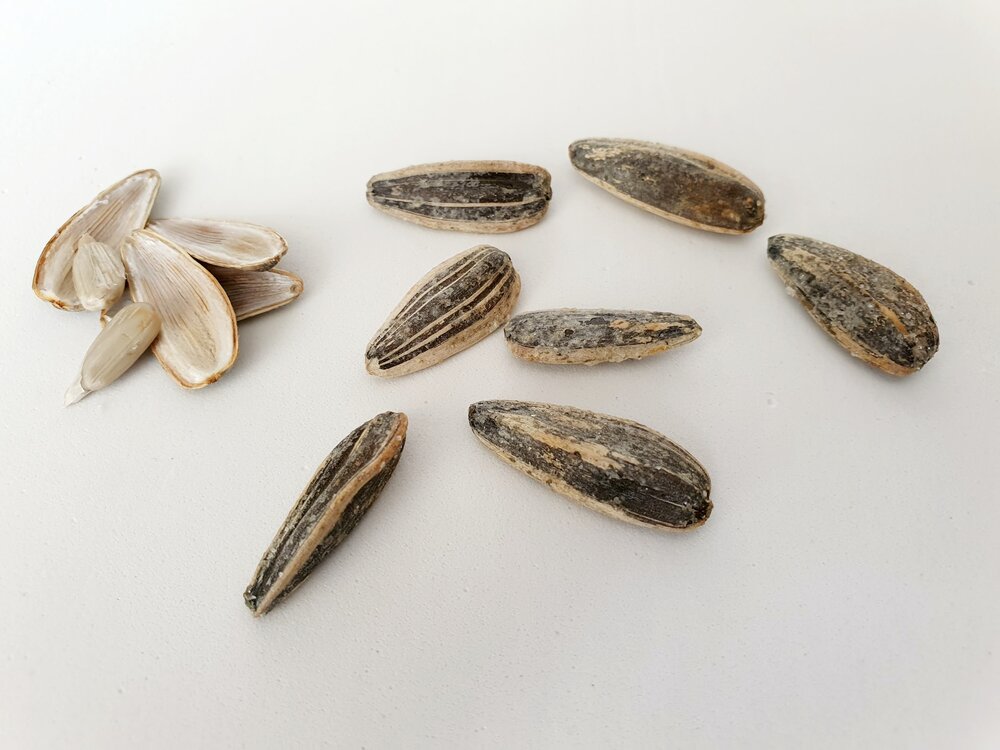
Sunflower seeds are composed primarily of the seed coat (hull), kernel, and embryo. The kernel constitutes approximately 65-85% of the total seed weight, containing roughly 40-55% oil, 20-28% protein, and 15-25% carbohydrate. Lipid composition is dominated by linoleic acid (around 60%), oleic acid (around 20-40%, varying by cultivar), and palmitic acid (around 5-10%). The seed coat is comprised primarily of cellulose, hemicellulose, and lignin, providing structural integrity. Manufacturing begins with seed selection, often utilizing density separators to remove immature or damaged seeds. Cleaning processes remove debris, stems, and leaves. Subsequently, seeds undergo drying to a moisture content of around 8-10% to inhibit microbial growth and facilitate efficient hulling. Hulling, a critical step, employs impact, abrasion, or centrifugal force. Parameter control during hulling – impact velocity, gap size, and feed rate – is paramount to minimize kernel damage. Post-hulling, seeds are graded by size and quality using sieves and optical sorters. Storage conditions (temperature < 15°C, humidity < 65%) are crucial to prevent rancidity and mycotoxin development. The physical properties, such as bulk density and angle of repose, are regularly monitored for process control.
Performance & Engineering
The performance of unroasted sunflower seeds is directly linked to their chemical and physical integrity. Oil yield, a primary performance metric, is influenced by seed maturity, cultivar genetics, and processing parameters. Force analysis during hulling reveals the fracture strength of the seed coat; excessive force leads to kernel breakage and reduced oil yield. Environmental resistance, particularly to moisture and temperature fluctuations, impacts seed viability and lipid stability. Prolonged exposure to high temperatures accelerates lipid oxidation, increasing free fatty acid content and reducing oil quality. Mycotoxin contamination, primarily by Aspergillus species, is a significant concern, especially in regions with high humidity. Compliance requirements vary internationally, but generally encompass limits for moisture content, foreign matter, oil content, and mycotoxin levels (aflatoxins, ochratoxin A). Functional implementation, such as efficient conveying and storage, relies on understanding seed flow characteristics and minimizing mechanical stress to prevent damage. Seed size distribution impacts conveyor design and ensures uniform processing.
Technical Specifications
| Parameter | Unit | Typical Value (Range) | Test Method |
|---|---|---|---|
| Oil Content (Dry Basis) | % | 48-58 | Soxhlet Extraction (AOCS Official Method Ak 3.25) |
| Moisture Content | % | 8-10 | Oven Drying (AOCS Official Method Ba 2-38) |
| Kernel Hulling Percentage | % | >95 | Visual Inspection and Weight Determination |
| Free Fatty Acid (FFA) | % | <0.5 | Titration (AOCS Official Method Ca 5-40) |
| Linoleic Acid Content | % of Total Fatty Acids | 58-65 | Gas Chromatography (AOCS Official Method Ch 5-91) |
| Aflatoxin B1 (Maximum) | ppb | <20 | ELISA or HPLC (FDA/USDA Methods) |
Failure Mode & Maintenance
Common failure modes in unroasted sunflower seeds include lipid oxidation (rancidity), mycotoxin contamination, mechanical damage during processing (kernel breakage, hull abrasion), and insect infestation. Lipid oxidation, a primary degradation pathway, is accelerated by high temperatures, light exposure, and the presence of trace metals. This manifests as off-flavors and reduced oil quality. Mycotoxin contamination, often undetected visually, represents a serious food safety hazard. Mechanical damage during hulling or conveying reduces oil yield and increases the proportion of fine particles. Insect infestation (e.g., Sitophilus oryzae) leads to seed weight loss and contamination. Preventative maintenance involves strict temperature and humidity control during storage, regular cleaning of processing equipment to minimize microbial load, and implementation of a robust pest management program. Inspection for kernel damage and mycotoxin levels should be conducted regularly throughout the supply chain. Proper calibration of hulling equipment and conveyor systems is crucial to minimize mechanical stress. Antioxidant treatments (e.g., vitamin E) can be applied to seeds to retard lipid oxidation.
Industry FAQ
Q: What are the critical parameters for minimizing aflatoxin contamination in sunflower seeds?
A: Aflatoxin contamination is primarily controlled through pre-harvest practices (selecting disease-resistant cultivars, managing irrigation to minimize stress), prompt and thorough drying of seeds after harvest (reducing moisture content to <8%), maintaining sanitary storage conditions (temperature <15°C, humidity <65%), and regular monitoring for mycotoxin levels. Preventing insect damage is also crucial, as insects can create entry points for fungal infection.
Q: How does the hulling process affect the oil yield and quality of sunflower seeds?
A: The hulling process significantly impacts both oil yield and quality. Excessive hulling force leads to kernel breakage, reducing oil yield and increasing the proportion of fine particles. Optimizing hulling parameters (impact velocity, gap size, feed rate) is crucial. Gentle hulling techniques minimize damage to the kernel and preserve oil quality by reducing lipid oxidation.
Q: What is the role of fatty acid composition in determining the stability and nutritional value of sunflower oil?
A: The fatty acid profile dictates the oil's stability and nutritional characteristics. High linoleic acid content (typical of conventional sunflower oil) makes it prone to oxidation, reducing shelf life. High-oleic sunflower oil, with a significantly higher oleic acid content, exhibits superior oxidative stability and is preferred for applications requiring extended shelf life. The fatty acid profile also influences the oil's nutritional value, impacting its role in cardiovascular health.
Q: What analytical techniques are used to assess the quality of unroasted sunflower seeds during procurement?
A: Procurement quality assessment typically involves analyzing moisture content (oven drying), oil content (Soxhlet extraction), foreign matter content (visual inspection), kernel damage (visual inspection), free fatty acid content (titration), and mycotoxin levels (ELISA or HPLC). Particle size distribution analysis may also be performed to assess the extent of kernel breakage.
Q: How important is storage temperature and humidity control in maintaining seed quality over extended periods?
A: Storage temperature and humidity are paramount for long-term seed quality. High temperatures accelerate lipid oxidation and mycotoxin development. High humidity promotes fungal growth and insect infestation. Maintaining temperatures below 15°C and humidity below 65% is essential for preserving seed viability, oil quality, and preventing contamination. Controlled atmosphere storage (reducing oxygen levels) can further enhance preservation.
Conclusion
Unroasted sunflower seeds are a complex agricultural product with quality determined by a confluence of genetic factors, agricultural practices, and post-harvest processing techniques. The optimization of oil yield, the mitigation of mycotoxin contamination, and the preservation of lipid stability are the core technical challenges facing the industry. Strict adherence to established quality control protocols, encompassing seed selection, drying, hulling, storage, and analytical testing, is essential to deliver a safe, high-quality product.
Future advancements will likely focus on breeding cultivars with enhanced disease resistance, developing more efficient and gentle hulling technologies, and implementing advanced monitoring systems for real-time assessment of seed quality throughout the supply chain. The integration of digital technologies, such as machine vision and sensor networks, promises to optimize processing parameters and minimize product loss, ultimately enhancing the economic viability and sustainability of sunflower seed production.
