Introduction
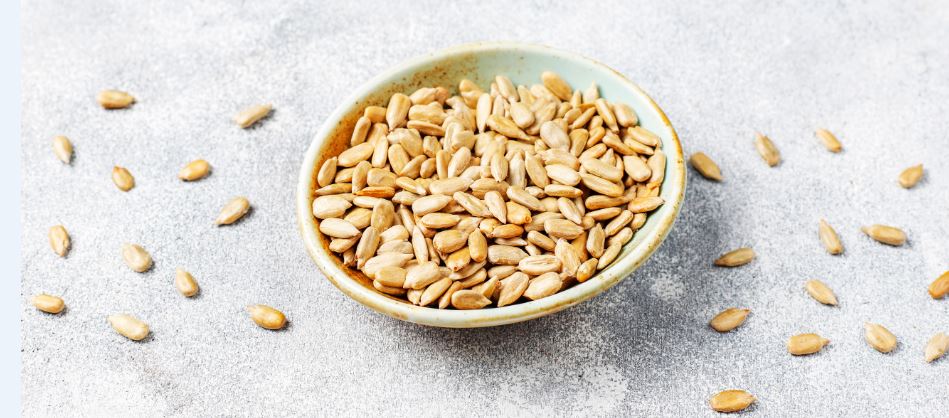
Unroasted sunflower seeds represent a foundational product within the broader snack food and agricultural processing industries. Their technical position lies between primary agricultural production (sunflower cultivation) and final consumer product manufacturing (seasoned seeds, oil extraction, confectionary inclusions). The core performance characteristics defining quality are seed maturity, kernel size/weight ratio, oil content, moisture content, and freedom from defects (e.g., insect damage, mold contamination). The industry faces escalating pressure to optimize yield, minimize waste, and meet stringent food safety regulations. This guide details the critical material science, manufacturing processes, performance factors, potential failure modes, and relevant standards governing the production of high-quality unroasted sunflower seeds for B2B applications, including further processing and direct consumption markets. A key pain point is maintaining consistent kernel quality across variable harvest conditions and minimizing mycotoxin contamination – a significant food safety risk. Ensuring optimal storage conditions to preserve viability and prevent rancidity is also paramount.
Material Science & Manufacturing
Sunflower seeds ( Helianthus annuus ) are composed primarily of oil (38-58% by weight), protein (18-25%), carbohydrates (15-20%), and fiber (5-10%). The hull (pericarp) is composed largely of cellulose and lignin, providing a protective barrier. Kernel quality is directly correlated to the genetic variety of the sunflower, growing conditions (temperature, rainfall, sunlight exposure), and harvesting techniques. Raw material selection focuses on high oleic acid content for improved oxidative stability and longer shelf life. Manufacturing begins with harvesting, typically employing combine harvesters equipped with threshing and cleaning systems. Seed drying is critical, utilizing controlled-temperature airflow to reduce moisture content to 8-10% to inhibit mold growth and enzymatic activity. This is often achieved through continuous-flow dryers. Subsequent dehulling separates the kernel from the hull, employing impact or abrasive methods. Parameter control is vital during dehulling to minimize kernel damage. Density separation techniques (e.g., using air separators or vibratory tables) remove lightweight hulls and foreign material. Optical sorting systems employ cameras and algorithms to detect and remove discolored or defective kernels. Quality control checkpoints at each stage measure moisture content (using near-infrared spectroscopy), oil content (using solvent extraction or NMR), and assess for physical damage and contamination. Precise control of drying temperature and airflow velocity are crucial to avoid protein denaturation and lipid oxidation. Hull abrasion must be minimized to prevent kernel fracturing, leading to increased oil leakage and reduced shelf life.
Performance & Engineering
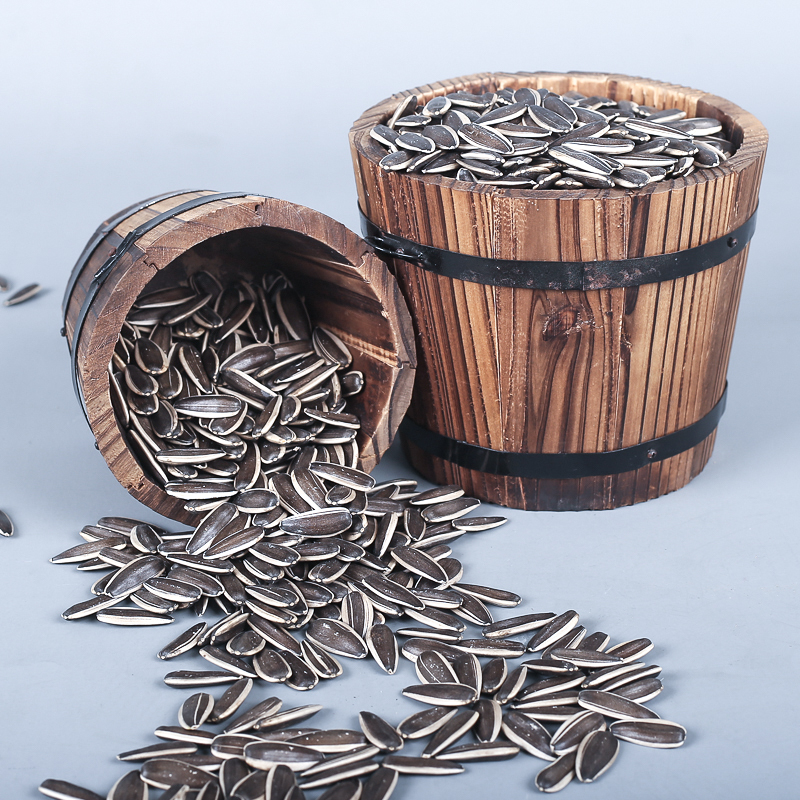
The performance of unroasted sunflower seeds is assessed by several engineering principles. Kernel strength, measured by fracture resistance, dictates its ability to withstand processing (e.g., seasoning, packaging). This is related to shell thickness and internal kernel structure. Oil absorption capacity, relevant for seasoning applications, is affected by protein content and kernel porosity. Moisture migration rates, governing shelf life, are influenced by hull permeability and oil content. Storage stability analysis assesses rancidity development (measured by peroxide value and free fatty acid content) over time under controlled temperature and humidity. Environmental resistance focuses on preventing moisture uptake and contamination during storage and transportation. Packaging materials play a critical role, utilizing barrier films (e.g., polyethylene terephthalate (PET), aluminum foil laminates) to minimize oxygen transmission rate (OTR) and water vapor transmission rate (WVTR). Compliance requirements include adherence to food safety standards (e.g., HACCP, GMP), pesticide residue limits (established by regulatory bodies like the EPA and EFSA), and allergen labeling regulations. Force analysis during dehulling determines optimal impact force and gap settings to maximize kernel recovery while minimizing damage. A critical aspect is preventing the introduction of foreign objects (metal fragments, plastic pieces) through effective metal detection and visual inspection systems.
Technical Specifications
| Parameter | Unit | Typical Value | Acceptable Range |
|---|---|---|---|
| Moisture Content | % | 9.0 | 8.0 – 10.5 |
| Oil Content | % | 48.0 | 45.0 – 55.0 |
| Kernel Size (Diameter) | mm | 8.5 | 7.5 – 9.5 |
| Kernel Weight | g | 0.45 | 0.40 – 0.50 |
| Hull Content | % | <1.0 | <2.0 |
| Free Fatty Acid (as oleic acid) | % | 0.2 | <0.5 |
Failure Mode & Maintenance
Common failure modes include kernel cracking during dehulling or handling, leading to oil leakage and reduced quality. This is often caused by excessive impact force or improper equipment calibration. Rancidity development, driven by lipid oxidation, results in off-flavors and reduced nutritional value. This is accelerated by high temperature, humidity, and exposure to oxygen. Mycotoxin contamination (e.g., aflatoxins) poses a serious food safety risk, arising from fungal growth during pre-harvest or storage. Insect infestation can cause significant damage and contamination. Maintenance protocols involve regular inspection and calibration of harvesting and processing equipment. Cleaning and sanitation procedures are essential to prevent mold growth and insect infestation. Proper storage conditions – cool, dry, and well-ventilated – are critical to minimize rancidity and maintain seed viability. Regular monitoring of moisture content, oil quality (peroxide value), and mycotoxin levels is essential. Preventative maintenance on drying equipment ensures optimal temperature control and prevents overheating. Implementation of a robust pest control program minimizes insect damage and contamination. Periodic equipment wear assessment (e.g. dehulling rollers) and replacement prevents damage to kernels.
Industry FAQ
Q: What is the impact of sunflower variety on oil content and fatty acid profile?
A: Sunflower variety significantly influences both oil content and fatty acid profile. High oleic varieties, bred for increased oleic acid levels (typically >70%), exhibit greater oxidative stability and a longer shelf life compared to linoleic varieties. Oil content varies depending on the cultivar, generally ranging from 40% to 58%. Selecting the appropriate variety is crucial to meet specific application requirements.
Q: How can we minimize mycotoxin contamination in sunflower seeds?
A: Minimizing mycotoxin contamination requires a multi-faceted approach. Employing disease-resistant sunflower varieties, implementing proper agronomic practices (e.g., crop rotation, weed control), ensuring timely harvesting before fungal growth, and maintaining strict drying and storage conditions are essential. Regular testing for mycotoxins (e.g., aflatoxins) is crucial.
Q: What are the optimal storage conditions for maintaining seed quality over extended periods?
A: Optimal storage conditions involve maintaining a moisture content below 10%, a temperature below 25°C (77°F), and good ventilation to prevent moisture buildup. Storage facilities should be clean, dry, and protected from pests. Using moisture-barrier packaging materials (e.g., metallized films) can further extend shelf life.
Q: What are the key considerations when selecting a dehulling machine?
A: Key considerations include dehulling efficiency (kernel recovery rate), kernel damage rate, capacity, and maintenance requirements. The type of dehulling mechanism (impact, abrasive) should be selected based on the sunflower variety and desired kernel quality. Adjustability and ease of cleaning are also important factors.
Q: How does the moisture content affect the shelf life and quality of unroasted sunflower seeds?
A: Moisture content is a critical determinant of shelf life. Higher moisture content promotes enzymatic activity, mold growth, and rancidity development. Maintaining a moisture content of 8-10% is essential for maximizing shelf life and preserving seed quality. Regular monitoring and control of moisture content during drying and storage are vital.
Conclusion
The production of high-quality unroasted sunflower seeds demands meticulous attention to detail throughout the entire process, from raw material selection and harvesting to drying, dehulling, and storage. Maintaining consistent kernel quality, minimizing contamination risks, and optimizing storage conditions are paramount for meeting industry standards and customer expectations. Successful manufacturers prioritize process control, preventative maintenance, and adherence to stringent food safety protocols.
Future trends will likely focus on further optimizing seed genetics for improved oil content and disease resistance, developing more efficient and less damaging dehulling technologies, and implementing advanced monitoring systems for real-time quality control. Sustainable agricultural practices and reducing environmental impact will also become increasingly important considerations. Adopting these advancements will be crucial for maintaining competitiveness in the evolving sunflower seed market.
