Introduction
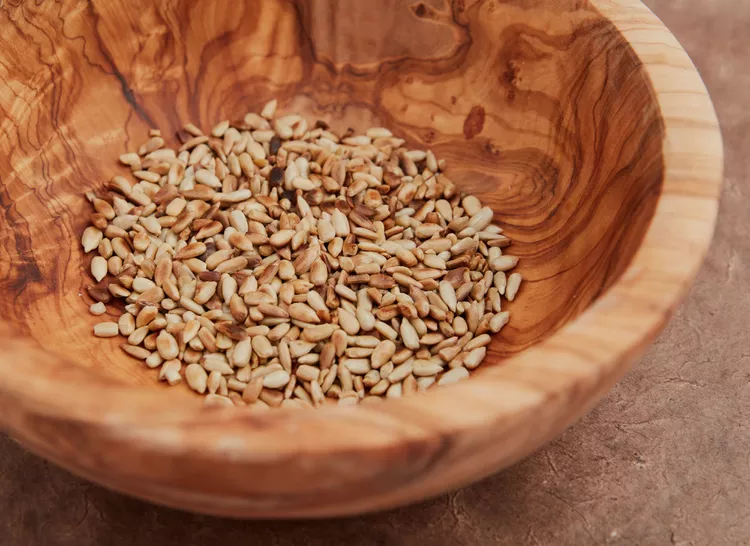
Unroasted sunflower seeds, Helianthus annuus, represent a significant commodity in global agricultural trade, primarily serving as a raw material for edible oil production, confectionery snacks, and animal feed. Their position in the supply chain begins with agricultural cultivation and post-harvest processing, transitioning through cleaning, grading, and drying before export. The core performance characteristics critical to international trade are kernel content, moisture levels, oil content, and freedom from contaminants. Export quality is increasingly defined by adherence to stringent food safety regulations and the ability to maintain seed viability during extended storage and transport. This guide provides a comprehensive technical overview for exporters, addressing critical aspects from seed physiology and processing to quality control, potential failure modes, and applicable international standards. A key pain point for exporters lies in minimizing aflatoxin contamination, optimizing moisture content for longevity, and demonstrating compliance with varying import regulations regarding pesticide residues and genetic modifications.
Material Science & Manufacturing
Sunflower seeds are composed of approximately 35-50% oil, 20-30% protein, 15-25% carbohydrate (primarily starch), and 5-10% moisture. The hull, or pericarp, is composed largely of cellulose and lignin, providing a protective outer layer. Kernel composition varies significantly based on cultivar. Manufacturing commences with harvesting, typically utilizing combine harvesters equipped with specialized sunflower heads. Post-harvest processing includes initial cleaning to remove debris (stalks, leaves, soil), followed by drying – a critical step to reduce moisture content from approximately 30-35% down to 8-10% to inhibit microbial growth and enzymatic activity. Drying methods include forced-air drying, utilizing heated air circulated through seed beds, and fluidized bed drying, offering more uniform and efficient drying. Precise temperature control (typically below 45°C) is paramount to prevent protein denaturation and oil quality degradation. Subsequent steps involve dehulling (optional, depending on end-use), grading based on kernel size and quality, and optical sorting to remove discolored or damaged seeds. Quality control at each stage, including regular moisture content assessments (using calibrated moisture meters) and visual inspection, is essential. Seed coating with antifungal agents can be implemented, subject to regulatory approval in the importing country. Parameter control revolves around maintaining consistent airflow rates during drying, optimizing seed bed depth for uniform drying, and adhering to established temperature profiles to preserve seed quality.
Performance & Engineering
The performance of unroasted sunflower seeds during storage and transport is critically dependent on maintaining low moisture content and preventing physical damage. Moisture content directly impacts susceptibility to fungal growth (particularly Aspergillus species, producing aflatoxins) and lipid oxidation, leading to rancidity. Engineering considerations include appropriate storage facility design – typically climate-controlled warehouses with effective ventilation and pest control measures. Bulk storage requires monitoring temperature and moisture levels throughout the seed mass to identify and address potential hotspots. During transport, impact forces must be minimized to prevent kernel cracking, which accelerates deterioration. Packaging plays a vital role; bags constructed from polypropylene or multi-layer paper with moisture barriers are commonly used. Stacking height limitations within containers must be observed to avoid compaction and reduced airflow. Environmental resistance refers to the seeds’ ability to withstand temperature fluctuations and humidity changes during transit. Compliance requirements are substantial, encompassing food safety standards (e.g., HACCP, GMP), phytosanitary regulations (preventing the spread of pests and diseases), and import regulations specific to each destination country regarding pesticide residues, mycotoxin levels, and genetically modified organisms (GMOs). Force analysis related to seed handling (e.g., during conveying or bagging) focuses on minimizing shear stresses to prevent kernel breakage.
Technical Specifications
| Parameter | Unit | Typical Value (Export Grade) | Acceptable Range |
|---|---|---|---|
| Kernel Content | % (weight/weight) | 60-68 | 55-75 |
| Moisture Content | % (weight/weight) | 8-10 | 6-12 |
| Oil Content (Kernel Basis) | % (weight/weight) | 48-55 | 40-60 |
| Aflatoxin B1 (Kernel Basis) | ppb (parts per billion) | <2 | <20 (EU limit) / <30 (US limit) |
| Foreign Matter | % (weight/weight) | <1 | <2 |
| Damaged Kernels | % (count) | <3 | <5 |
Failure Mode & Maintenance
Common failure modes in unroasted sunflower seeds during storage and transport include: Aflatoxin Contamination – stemming from fungal growth (Aspergillus flavus and Aspergillus parasiticus) under high moisture conditions; Lipid Oxidation/Rancidity – caused by enzymatic and non-enzymatic hydrolysis of oils, accelerated by exposure to oxygen, light, and heat; Mechanical Damage (Kernel Cracking) – resulting from impact or compression during handling and transport, increasing susceptibility to oxidation and insect infestation; Insect Infestation – primarily by storage beetles (e.g., Sitophilus granarius); Germination Loss – particularly important for seeds intended for replanting, affected by improper drying and storage conditions. Maintenance strategies encompass: proactive moisture control through adequate drying and airtight storage; implementation of Integrated Pest Management (IPM) programs, including regular inspection and sanitation; optimized storage conditions (low temperature, low humidity, dark environment); and the use of appropriate packaging materials. Regularly monitoring seed quality parameters (moisture content, aflatoxin levels, oil acidity) is critical for early detection of degradation. Preventative maintenance of drying and handling equipment is also crucial to ensure efficient processing and minimize physical damage.
Industry FAQ
Q: What is the significance of the thousand-kernel weight (TKW) and how does it impact export value?
A: Thousand-kernel weight (TKW) is a crucial indicator of seed size and density, directly correlated with kernel content and oil yield. Higher TKW generally signifies larger, fuller seeds with greater oil content, which translates to higher export value. Importers often specify minimum TKW requirements in their purchase contracts. Variability in TKW within a shipment can lead to price adjustments.
Q: How do different drying methods (forced-air vs. fluidized bed) affect seed quality and storage life?
A: Fluidized bed drying offers more uniform and rapid drying compared to forced-air drying, minimizing the risk of localized overheating and protein denaturation. This results in seeds with superior germination rates (if applicable) and longer storage life. Forced-air drying, if not carefully controlled, can lead to uneven drying and increased cracking.
Q: What are the acceptable limits for pesticide residues in sunflower seeds for export to the European Union?
A: The European Union has strict Maximum Residue Levels (MRLs) for pesticides in food products, including sunflower seeds. Exporters must adhere to these MRLs, which are regularly updated and publicly available through the EU Pesticide Database. Failure to comply can result in rejection of the shipment.
Q: What analytical methods are commonly used to determine aflatoxin levels in sunflower seeds?
A: The most common analytical method for aflatoxin determination is High-Performance Liquid Chromatography (HPLC) with fluorescence detection. Enzyme-Linked Immunosorbent Assay (ELISA) is also widely used for rapid screening, but HPLC is considered more accurate and reliable for regulatory compliance.
Q: How critical is proper packaging to prevent moisture regain during sea freight, and what materials are recommended?
A: Proper packaging is paramount. Sunflower seeds are hygroscopic and readily absorb moisture from the atmosphere, especially during sea freight. Recommended packaging materials include multi-layer polypropylene woven bags with polyethylene liners, or multi-layer paper bags treated with a moisture barrier coating. Palletizing and stretch-wrapping the bags provides additional protection. Desiccants within the packaging can further mitigate moisture regain.
Conclusion
The successful export of unroasted sunflower seeds hinges on a rigorous understanding of seed physiology, meticulous adherence to quality control measures throughout the post-harvest handling process, and unwavering compliance with international food safety and phytosanitary regulations. Maintaining optimal moisture content is the single most critical factor influencing seed longevity and minimizing the risk of aflatoxin contamination. Careful selection of drying methods, appropriate storage facilities, and robust packaging solutions are essential for preserving seed quality during storage and transit.
Future trends in the industry will likely focus on traceability systems utilizing blockchain technology to enhance transparency and build consumer confidence, as well as the development of cultivars with enhanced resistance to fungal pathogens and improved oil quality. Continued investment in research and development, coupled with a commitment to sustainable agricultural practices, will be crucial for maintaining the competitiveness of sunflower seed exporters in the global market.
