Introduction
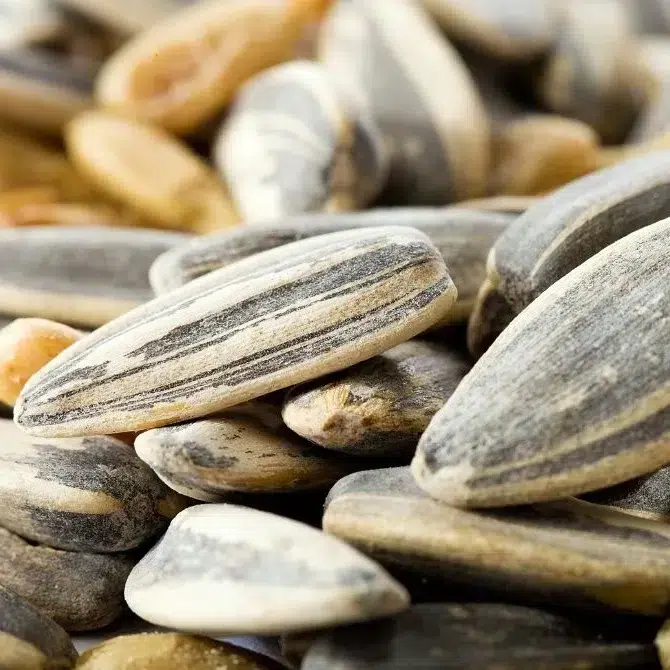
Unroasted sunflower seeds, destined for export, represent a critical component within the global food and snack food supply chain. This guide details the technical aspects impacting quality, safety, and logistical considerations for international trade. Sunflower seeds ( Helianthus annuus ) are categorized as oilseeds, valued for their high oil content (40-58% typically), protein (around 20-25%), and nutritional profile including Vitamin E and linoleic acid. The export market demands stringent adherence to quality parameters, including kernel integrity, moisture content, foreign matter content, and aflatoxin levels. Successful exportation necessitates a thorough understanding of seed physiology, post-harvest handling, storage techniques, and compliance with international food safety regulations. This guide focuses on the technical specifications critical for maintaining seed viability, minimizing deterioration during transport, and meeting the expectations of discerning international buyers. This analysis extends from the agronomic stage through processing, storage, and finally, transport.
Material Science & Manufacturing
The raw material, sunflower seeds, exhibit complex biological and physical properties impacting export quality. The seed coat, or pericarp, composed primarily of cellulose and lignin, provides a protective barrier against mechanical damage and moisture loss. Kernel composition varies depending on the cultivar, with oil content influencing density and stability. Manufacturing processes, while seemingly simple, are crucial. Harvesting methods (mechanical vs. manual) significantly affect seed damage and contamination levels. Post-harvest drying is a critical operation. Traditionally, sun drying is employed, but controlled-environment drying using fluidized bed or tray dryers is preferred for maintaining seed quality and minimizing fungal growth. Drying parameters – temperature, airflow, and duration – must be precisely controlled to achieve optimal moisture content (typically 8-10% for long-term storage) without causing kernel cracking or protein denaturation. Cleaning processes involve screening, aspiration, and destoning to remove foreign materials (stalks, leaves, soil, stones). Seed sizing and grading are performed to ensure uniformity and meet buyer specifications. Optical sorting technologies are increasingly used to detect and remove discolored or damaged seeds. Seed treatment with food-grade coatings may be applied to enhance handling characteristics or prevent insect infestation, requiring careful selection to ensure regulatory compliance in the importing country. Packaging involves utilizing breathable materials like jute or polypropylene bags, carefully chosen to balance moisture permeability and protection against physical damage.
Performance & Engineering
Performance characteristics vital for export quality relate to seed viability, storage stability, and resistance to mechanical stress during handling and transport. Moisture content is the most critical parameter influencing seed longevity. Water activity (aw) is a more precise measure, indicating the amount of unbound water available for microbial growth and enzymatic reactions. Lower aw values (typically <0.65) inhibit these processes. Seed respiration rate, dependent on temperature and moisture, dictates oxygen consumption and carbon dioxide production, influencing storage atmosphere requirements. Mechanical strength – specifically, kernel resistance to cracking and breakage – impacts processing yield and consumer acceptance. Impact testing and compression testing are used to quantify these properties. Bulk density influences storage capacity and transport efficiency. Particle size distribution affects flowability and segregation during handling. Storage stability is affected by lipid oxidation, leading to rancidity and off-flavors. Antioxidant levels in the seeds, coupled with storage temperature and atmosphere control (modified atmosphere packaging with nitrogen flushing), mitigate oxidation. The packaging must withstand the rigors of intercontinental transport, including stacking loads, vibration, and temperature fluctuations. Finite element analysis (FEA) can be employed to optimize packaging design and minimize seed damage during transport. Furthermore, resistance to insect infestation is crucial; airtight packaging and controlled atmosphere storage are key preventative measures.
Technical Specifications
| Parameter | Unit | Specification (Typical Export Grade) | Test Method |
|---|---|---|---|
| Moisture Content | % | 8.0 - 10.0 | Oven Drying (ISO 712) |
| Foreign Matter Content | % | < 1.0 | Visual Inspection (ISO 4883) |
| Damaged Kernels | % | < 2.0 | Visual Inspection (ASTM F1041) |
| Aflatoxin B1 | µg/kg (ppb) | < 2.0 | ELISA or HPLC (ISO 16050) |
| Oil Content | % | 48 - 55 | Soxhlet Extraction (ISO 6593) |
| Kernel Size (Diameter) | mm | 10-16 (average) | Sieve Analysis (ISO 5877) |
Failure Mode & Maintenance
Failure modes in unroasted sunflower seeds during export relate to both physical degradation and biochemical deterioration. Mechanical damage (cracking, chipping) occurs during harvesting, handling, and transport, reducing processing yield and aesthetic appeal. Moisture uptake during storage leads to fungal growth and aflatoxin contamination, posing a significant health risk. Lipid oxidation causes rancidity, off-flavors, and nutritional loss. Insect infestation can rapidly degrade seed quality and render shipments unusable. Delamination of the seed coat can occur due to improper drying or handling. Preventative maintenance focuses on controlling these factors. Proper drying and storage conditions (cool, dry, well-ventilated) are paramount. Airtight packaging minimizes moisture uptake and insect access. Modified atmosphere packaging (MAP) with nitrogen flushing inhibits oxidation. Regular monitoring of moisture content, aflatoxin levels, and insect activity is essential. Implementing a robust quality control system throughout the entire supply chain—from field to port—is crucial. Appropriate temperature control during transport is also vital, preventing condensation and fungal growth. For example, refrigerated containers may be necessary for long-distance shipments, particularly in humid climates. Prompt response to any signs of deterioration (e.g., visible mold, off-odors) is critical to prevent widespread losses.
Industry FAQ
Q: What are the acceptable limits for aflatoxin contamination in sunflower seeds destined for the European Union?
A: The European Union sets a maximum limit of 2.0 µg/kg (ppb) for total aflatoxins (B1, B2, G1, and G2) in sunflower seeds. However, the limit for Aflatoxin B1 specifically is 1.0 µg/kg. Compliance requires rigorous testing using validated methods like ELISA or HPLC, and detailed documentation to demonstrate adherence to these limits.
Q: How critical is moisture content control, and what are the consequences of exceeding the recommended range?
A: Moisture content is arguably the single most critical factor affecting seed quality. Exceeding 10% significantly increases the risk of fungal growth, aflatoxin contamination, and accelerated respiration, leading to reduced viability and storage life. Below 8%, seed damage during handling can increase. Precise control during drying and throughout storage is essential.
Q: What packaging materials are best suited for long-term storage and intercontinental transport of sunflower seeds?
A: Breathable packaging materials such as jute or multi-layer polypropylene bags are recommended. These materials allow for some moisture exchange while providing protection against physical damage. The bags should be internally lined with polyethylene to prevent oil leakage. Palletizing and shrink-wrapping the pallets provide additional stability and protection during transport.
Q: What testing protocols are generally required by importing countries to verify seed quality?
A: Common testing protocols include moisture content analysis (oven drying), foreign matter inspection (visual sorting), damaged kernel assessment (visual), aflatoxin testing (ELISA or HPLC), oil content determination (Soxhlet extraction), and sometimes, germination testing to assess viability. Specific requirements vary by importing country.
Q: How does temperature control during transport affect seed quality, and what are the recommended temperature ranges?
A: High temperatures accelerate respiration, lipid oxidation, and fungal growth. Ideally, seeds should be transported at temperatures below 25°C (77°F). For long-distance shipments, refrigerated containers (“reefers”) may be necessary, maintaining a temperature between 10-15°C (50-59°F). Careful monitoring of temperature throughout the journey is essential.
Conclusion
The successful export of unroasted sunflower seeds relies heavily on meticulous attention to detail throughout the entire process, from agronomic practices to post-harvest handling, storage, and transport. Maintaining optimal moisture content, minimizing physical damage, preventing aflatoxin contamination, and adhering to stringent quality control standards are paramount. A thorough understanding of the seed’s physical and biochemical properties, coupled with the application of appropriate engineering principles and adherence to international regulations, is crucial for ensuring product quality, meeting buyer expectations, and safeguarding the integrity of the supply chain.
Future trends in sunflower seed export will likely focus on enhanced traceability systems, utilizing blockchain technology to track seed provenance and quality data. Increased demand for organic and non-GMO seeds will necessitate robust certification programs and rigorous quality assurance protocols. Furthermore, advancements in packaging materials and modified atmosphere packaging technologies will continue to improve seed preservation and extend shelf life. The development of rapid and cost-effective aflatoxin detection methods will also be critical for ensuring food safety and facilitating international trade.
