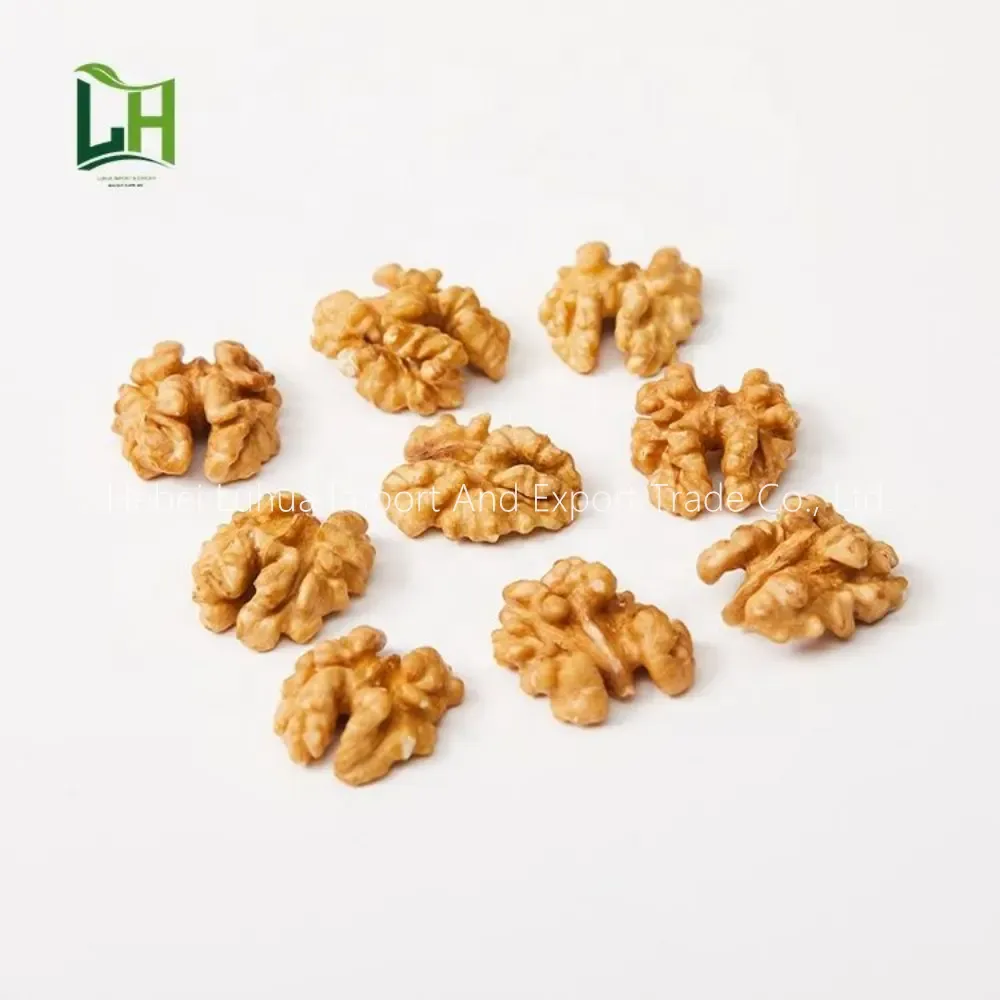
Exploring the types of walnuts available today reveals a broader trend in the global food industry: the soaring demand for transparency, rigorous grading, and unwavering supply chain resilience. As consumer preferences pivot toward nutrient-dense, heart-healthy snacks, retail food brands must adapt their sourcing strategies to maintain both impeccable quality and operational profitability.
The Evolution of Quality Standards in Retail Food
The modern consumer is highly educated about nutritional value, seeking foods rich in alpha-linolenic acid (ALA) and plant-based proteins. To meet these expectations, the industry is moving away from bulk, unclassified commodities toward highly specified visual and flavor profiles. For instance, Extra Light Halves (ELH) have become the gold standard for high-end retail and gifting due to their pale cream aesthetic and mild, buttery flavor. Conversely, Light Quarters and Amber pieces serve crucial roles in healthy snacking and industrial confectionery.
Technological Advancements in Food Processing
Achieving this level of consistency requires more than just good agricultural practices. Today’s premium manufacturers employ highly sophisticated processing technologies. After initial air and color separation, advanced facilities utilize professional infrared light separation and X-ray equipment to painstakingly remove fine and malignant impurities. This one-stop approach from shell breaking to packaging ensures minimal damage to the kernels and maximum freshness, satisfying the rigorous demands of BRC food safety certifications.
Strategic Sourcing and Cost Management
Evaluating the true walnut 1 kg rate involves looking far beyond the raw commodity index. It requires factoring in the yield of intact kernels, the reliability of year-round supply via large-scale (e.g., 1000-ton) cold storage, and the efficacy of packaging. Advanced suppliers utilize automated weighing and vacuum-sealing technologies that prevent oxidation, extending the product's shelf life up to 24 months. For retail brands, partnering with a high-quality provider that integrates planting bases with state-of-the-art processing is the definitive strategy for navigating global market fluctuations while delivering premium value to the end consumer.
