Introduction
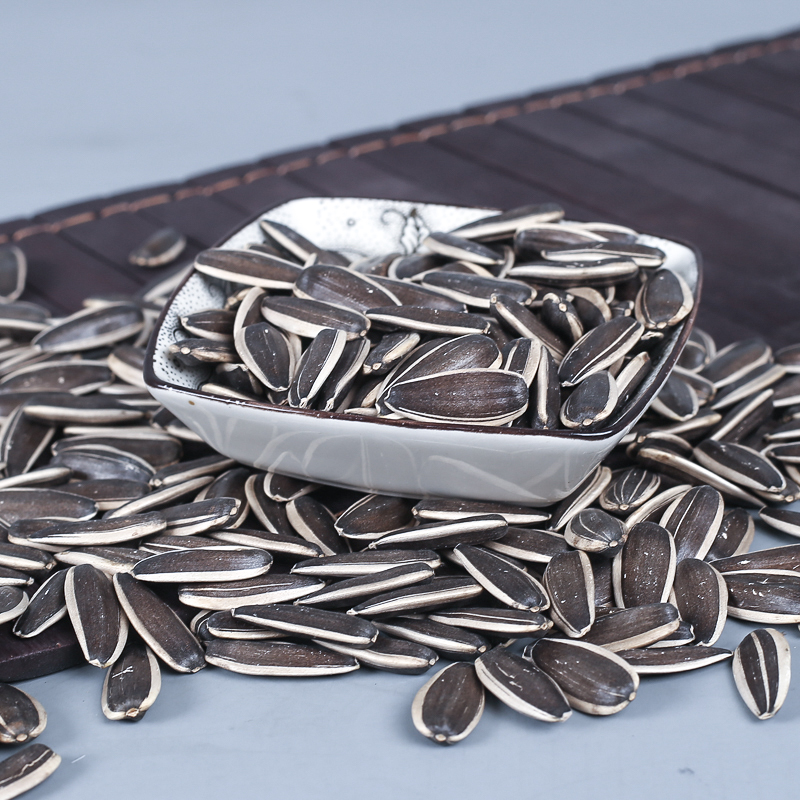
Sweet melon seeds, Cucumis melo var. reticulatus, represent a significant agricultural commodity with increasing global demand. This technical guide provides an in-depth analysis of sweet melon seed production, encompassing varietal characteristics, processing methodologies, quality control parameters, and potential failure modes relevant to international trade and supply chain management. As a crucial component of the agricultural supply chain, ensuring seed quality directly impacts yield, fruit characteristics, and overall economic viability for growers. This guide is targeted toward procurement managers, agricultural engineers, quality assurance specialists, and international buyers seeking a comprehensive understanding of sweet melon seed technology.
Material Science & Manufacturing
The foundational material science of sweet melon seed centers around its biochemical composition. Seeds are approximately 40-50% oil, primarily linoleic acid, 25-35% protein, 10-15% carbohydrates, and a variable percentage of moisture. The seed coat, a critical protective layer, is composed of lignocellulose, providing structural integrity. Manufacturing begins with fruit maturity assessment; optimal harvesting time is crucial for seed viability. Post-harvest, the melons are sliced open and seeds are manually or mechanically extracted. Mechanical extraction necessitates careful parameter control to minimize seed damage – impact velocity during separation must remain below 5 m/s to prevent cracking of the seed coat. Cleaning processes involve size grading (using sieves with apertures ranging from 8mm to 12mm depending on the variety), density separation (using water or air), and removal of debris. Drying is a critical step, typically employing fluidized bed dryers with inlet air temperatures maintained between 40-50°C to preserve germination rates. Moisture content must be reduced to 8-10% for long-term storage. The use of inert gases (nitrogen or argon) during packaging helps mitigate oxidative degradation of the seed oil.
Performance & Engineering
Performance evaluation of sweet melon seeds is multi-faceted. Germination rate, typically assessed under controlled laboratory conditions (25°C, 80% humidity), is a primary indicator of seed quality, aiming for a minimum of 85% germination. Vigour testing, utilizing accelerated aging protocols (40°C, 95% humidity for 72 hours), assesses the seed's ability to withstand stress conditions. Seed oil content and fatty acid profile are determined via Soxhlet extraction and gas chromatography-mass spectrometry (GC-MS), ensuring adherence to nutritional specifications. Mechanical strength of the seed coat, measured via compression testing, correlates with resistance to cracking during handling and processing. Environmental resistance includes evaluating tolerance to temperature fluctuations and humidity variations. Compliance requirements are dictated by national and international regulations pertaining to seed certification, phytosanitary standards, and food safety. For example, seeds intended for import into the EU must comply with Directive 2002/53/EC concerning common catalogues of varieties of agricultural plant species. Furthermore, the risk of seed-borne diseases necessitates adherence to stringent sanitation protocols, including seed treatment with approved fungicides.
Technical Specifications
| Parameter | Unit | Typical Value | Testing Method |
|---|---|---|---|
| Germination Rate | % | ≥ 88 | ISTA Procedure |
| Moisture Content | % | 8-10 | Oven Drying Method (ISTA) |
| Oil Content | % | 42-48 | Soxhlet Extraction (AOAC) |
| Protein Content | % | 28-32 | Kjeldahl Method (AOAC) |
| Seed Size (Length) | mm | 10-14 | Visual Inspection/Sieving |
| 1000-Seed Weight | g | 180-220 | Precise Weighing |
Failure Mode & Maintenance
Common failure modes in sweet melon seeds include: 1) Physical Damage: Cracking of the seed coat due to improper handling or excessive drying temperatures. This compromises seed viability. 2) Oxidative Degradation: Rancidity of the seed oil due to exposure to oxygen and light, leading to reduced germination rate and nutritional value. 3) Fungal Contamination: Growth of fungal pathogens (e.g., Fusarium, Alternaria) during storage, resulting in seed decay and potential transmission of plant diseases. 4) Insect Infestation: Damage caused by storage pests (e.g., Sitophilus), reducing seed quality and quantity. 5) Genetic Deterioration: Loss of genetic purity over prolonged storage periods, leading to reduced yield potential. Maintenance strategies involve storing seeds in cool, dry (≤15°C, ≤60% RH) and dark conditions. Regular monitoring for insect infestation and fungal growth is essential. Seed treatment with appropriate fungicides and insecticides can provide preventative protection. Employing airtight packaging with moisture-absorbing desiccants minimizes oxidative degradation. Periodic germination testing is crucial to assess seed viability over time. For long-term preservation (>5 years), cryopreservation (-20°C) is recommended.
Industry FAQ
Q: What is the significance of the 1000-seed weight?
A: 1000-seed weight is a critical indicator of seed size and fullness, directly correlating with seedling vigour and potential yield. A higher 1000-seed weight generally indicates larger seeds with more stored reserves, resulting in stronger and more robust seedlings. It is a key parameter used in seed quality control and varietal assessment.
Q: How does moisture content impact seed longevity?
A: Moisture content is arguably the most crucial factor affecting seed longevity. High moisture content accelerates metabolic processes, leading to seed deterioration and reduced viability. Maintaining a low moisture content (8-10%) significantly slows down these processes, extending the shelf life of the seeds. Proper drying and airtight packaging are essential for moisture control.
Q: What are the phytosanitary requirements for exporting sweet melon seeds?
A: Phytosanitary requirements vary depending on the importing country. Generally, seeds must be free from quarantine pests and pathogens. A phytosanitary certificate issued by the national plant protection organization is typically required. Specific requirements may include seed treatment with fungicides or insecticides, and testing for the presence of specific pathogens.
Q: What is the role of seed treatment in ensuring quality?
A: Seed treatment involves applying fungicides, insecticides, or biostimulants to the seed surface to protect it from pests and diseases during germination and early seedling development. It enhances seed vigour, improves germination rate, and reduces crop losses. The choice of seed treatment depends on the target pests and diseases prevalent in the growing region.
Q: What analytical techniques are used to assess seed oil quality?
A: Gas Chromatography-Mass Spectrometry (GC-MS) is the primary technique used to determine the fatty acid profile of the seed oil. This analysis provides information on the concentration of different fatty acids, such as linoleic acid and oleic acid, which are important indicators of oil quality and nutritional value. Peroxide value and acid value measurements are also used to assess the degree of oxidative rancidity.
Conclusion
Sweet melon seed quality is a complex interplay of genetic factors, agronomic practices, and post-harvest processing techniques. Maintaining optimal moisture content, protecting against oxidative degradation and pest infestation, and adhering to stringent quality control parameters are critical for ensuring seed viability and maximizing yield potential. Understanding the material science behind seed structure and composition is essential for optimizing storage conditions and handling procedures.
Future advancements in sweet melon seed technology will likely focus on developing improved seed coatings for enhanced pest and disease protection, utilizing precision drying techniques to minimize seed damage, and employing advanced analytical methods for rapid and accurate seed quality assessment. Furthermore, breeding programs aimed at developing varieties with improved seed vigour and stress tolerance will play a crucial role in ensuring sustainable melon production.
