Introduction
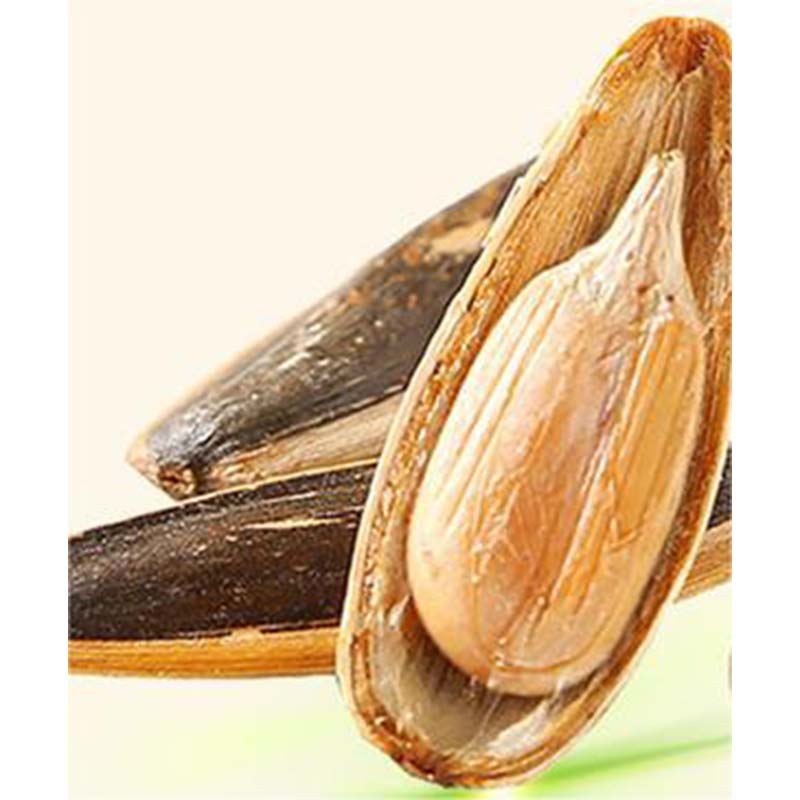
Sweet melon seed product refers to processed seeds extracted from various cultivars of Cucumis melo, commonly known as sweet melons. These seeds undergo a series of treatments – typically cleaning, drying, roasting, and flavoring – to create a consumable snack product prevalent across numerous global markets. The technical position of sweet melon seed products lies within the processed food sector, specifically categorized under seed-based snacks and confectionery. Core performance characteristics relate to seed integrity (minimizing broken or incomplete seeds), flavor profile consistency, moisture content (influencing shelf life and texture), and adherence to food safety standards. The industry currently faces challenges relating to optimizing roasting techniques for even heating, maintaining consistent flavor application, and ensuring traceability throughout the supply chain to meet increasingly stringent regulatory requirements and consumer demand for transparency.
Material Science & Manufacturing
The primary raw material, sweet melon seeds, are composed primarily of lipids (40-50% by weight), proteins (20-25%), carbohydrates (15-20%), and moisture (8-12%). Lipid composition includes linoleic acid, oleic acid, and palmitic acid, contributing to the characteristic flavor and nutritional value. Manufacturing begins with seed extraction from mature melons, followed by rigorous cleaning to remove pulp residue. Drying, typically achieved through hot air convection at temperatures between 60-80°C, reduces moisture content to below 8%, inhibiting microbial growth. Roasting, a critical step, employs controlled heating (120-160°C) to develop flavor compounds via Maillard reaction and Strecker degradation. Key parameters include roasting time, temperature uniformity, and airflow rate. Flavoring involves applying seasonings (salt, spices, sweeteners) via tumbling or spray coating. Quality control measures throughout the process monitor seed moisture content, oil oxidation levels (peroxide value), and microbial load. Potential issues include rancidity due to lipid oxidation and acrylamide formation during high-temperature roasting, requiring careful process optimization and antioxidant addition. Packaging, frequently utilizing multi-layer films (PET/PE or PP/PE laminates), provides barrier protection against oxygen, moisture, and light.
Performance & Engineering
Performance is largely dictated by the structural integrity of the seed itself. Force analysis during processing (e.g., de-hulling, tumbling) necessitates understanding seed shell strength and fracture toughness. Environmental resistance is paramount for shelf life; packaging materials must exhibit low oxygen transmission rate (OTR < 10 cm³/m²/day) and low water vapor transmission rate (WVTR < 3 g/m²/day) to prevent spoilage. Compliance with food safety regulations, including HACCP (Hazard Analysis and Critical Control Points) and GMP (Good Manufacturing Practices), is non-negotiable. The thermal properties of the seeds, specifically specific heat capacity and thermal conductivity, are crucial for optimizing roasting processes. Heat transfer modeling can predict temperature distribution within the seed during roasting, minimizing localized overheating and acrylamide formation. Furthermore, packaging design must consider compression resistance during transportation and storage, preventing seed breakage. Colorimetry is utilized to assess roasting degree and flavor development, ensuring consistency across batches. Finally, consumer acceptance relies on textural attributes (crunchiness, tenderness) which are directly influenced by moisture content and roasting parameters.
Technical Specifications
| Parameter | Specification | Test Method | Acceptance Criteria |
|---|---|---|---|
| Moisture Content | ≤ 8.0% | Karl Fischer Titration (GB/T 5005-2008) | Batch average ≤ 7.5%, individual sample ≤ 8.0% |
| Peroxide Value (PV) | ≤ 5.0 meq O₂/kg | AOCS Cd 8-53 | PV ≤ 4.0 meq O₂/kg for products exceeding 6 months shelf life |
| Acrylamide Content | ≤ 2.0 ppm | GC-MS (EN 6574) | ≤ 1.5 ppm for product intended for children |
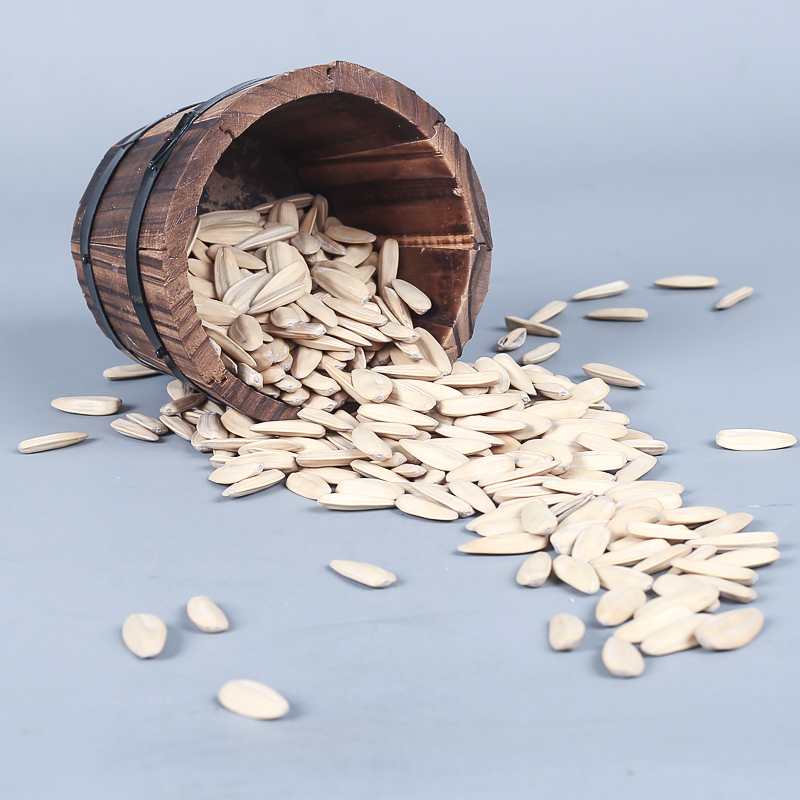
| Broken Seed Rate | ≤ 5.0% | Visual Inspection | ≤ 3.0% for premium grade products |
| Oil Content | 45-55% | Soxhlet Extraction (ISO 659-1) | Oil quality meets national standards for edible oils |
| Salt Content | 0.5-1.5% | Argentometric Titration | Salt content aligns with declared nutritional information |
Failure Mode & Maintenance
Common failure modes include rancidity due to lipid oxidation, manifested by off-flavors and odors. This is accelerated by exposure to oxygen, light, and high temperatures. Seed shell cracking during processing or transportation can lead to seed fragmentation and dust formation. Moisture absorption from the environment can cause textural changes (softening) and promote microbial growth. Color fading due to prolonged light exposure diminishes visual appeal. Maintenance focuses on preventing these failures. Packaging integrity is crucial – employing barrier films and proper sealing techniques. Storage conditions should be cool, dry, and dark. Antioxidant addition (e.g., BHA, BHT, tocopherols) can inhibit lipid oxidation. Regular monitoring of peroxide value and moisture content is essential. Equipment cleaning and sanitation are vital to prevent microbial contamination. For large-scale operations, implementing a robust traceability system allows for rapid identification and recall of potentially compromised batches. Furthermore, optimizing roasting parameters (temperature, time) can minimize acrylamide formation and improve product stability. Proper stock rotation (FIFO – First In, First Out) prevents prolonged storage and ensures optimal product quality.
Industry FAQ
Q: What is the optimal roasting profile to minimize acrylamide formation while maximizing flavor development?
A: Minimizing acrylamide requires careful control of roasting temperature and time. Lower roasting temperatures (around 140-150°C) for extended periods, coupled with rapid cooling, generally result in lower acrylamide levels compared to high-temperature, short-duration roasting. Using reducing sugars in the seasoning blend can also influence acrylamide formation. Monitoring the seed’s water activity during drying is crucial as lower water activity leads to reduced acrylamide formation. Regular analysis using GC-MS is essential to verify compliance.
Q: How do different packaging materials impact shelf life and product quality?
A: Packaging material selection significantly affects shelf life. Multi-layer laminates with high barrier properties against oxygen, moisture, and light are recommended. PET/PE and PP/PE laminates are commonly used. Aluminum foil layers provide the highest barrier but can increase cost. Modified atmosphere packaging (MAP) with nitrogen flushing can further extend shelf life by displacing oxygen. The thickness of the film also plays a role; thicker films offer greater protection but increase material costs.
Q: What are the critical control points in the HACCP plan for sweet melon seed production?
A: Critical Control Points (CCPs) include raw material inspection (seed quality, absence of contaminants), drying temperature and time (moisture content control), roasting temperature and time (acrylamide control), metal detection (physical hazard), and packaging integrity (barrier protection). Each CCP requires defined critical limits, monitoring procedures, corrective actions, and verification activities.
Q: How can lipid oxidation be effectively controlled during storage?
A: Lipid oxidation can be controlled through several methods: using antioxidants (BHA, BHT, tocopherols) in the formulation, employing oxygen-barrier packaging, storing products in cool, dry, and dark conditions, and minimizing exposure to air during processing and packaging. Nitrogen flushing of packages further reduces oxygen levels. Monitoring peroxide value regularly is crucial for assessing oxidation levels.
Q: What are the key differences between various sweet melon seed cultivars in terms of seed quality and processing requirements?
A: Different sweet melon cultivars exhibit variations in seed size, shape, oil content, and shell thickness. Cultivars with larger seeds are generally easier to process. Seeds with higher oil content contribute to a richer flavor but are more susceptible to oxidation. Thicker seed shells require longer roasting times. Seed quality is also influenced by growing conditions and harvesting practices, making consistent sourcing from reliable suppliers essential.
Conclusion
Sweet melon seed product manufacturing requires a meticulous approach encompassing material science, precise process control, and stringent quality assurance. Optimizing roasting parameters to balance flavor development and acrylamide minimization, coupled with the selection of appropriate packaging materials to preserve freshness and prevent oxidation, are critical factors. Adherence to international food safety standards (HACCP, GMP) and continuous monitoring of key quality indicators (moisture content, peroxide value, broken seed rate) are paramount to ensuring a safe, high-quality product.
The industry’s future will likely focus on sustainable sourcing of seeds, development of novel flavoring techniques, and implementation of advanced packaging solutions that further extend shelf life and reduce environmental impact. Innovations in roasting technology, such as microwave or radio frequency heating, may offer improved control and efficiency. Traceability systems utilizing blockchain technology could enhance consumer trust and supply chain transparency.
