Introduction
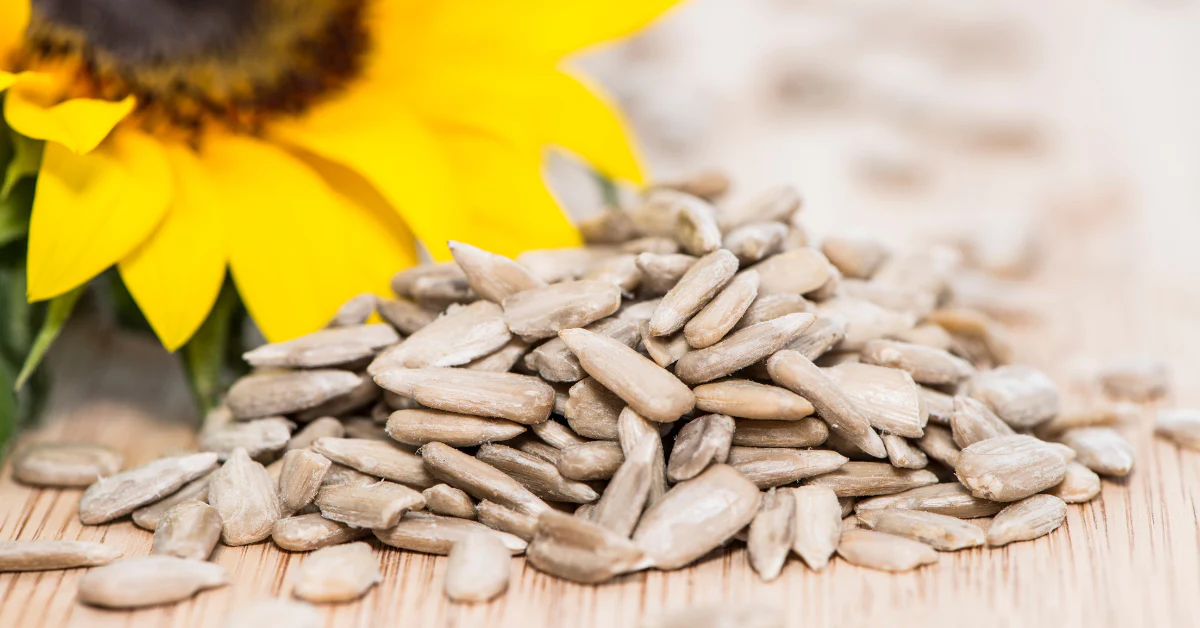
Sweet melon seed manufacturing represents a specialized sector within agricultural processing, demanding stringent quality control and adherence to food safety regulations. This guide provides a comprehensive technical overview of the process, covering material science, manufacturing methodologies, performance parameters, failure modes, and relevant industry standards. The primary function of sweet melon seed manufacturers is the processing of raw melon seeds into a commercially viable product, encompassing cleaning, drying, grading, and often, flavor enhancement through roasting or seasoning. Core performance metrics center on seed viability, moisture content, absence of contaminants (aflatoxins, pesticides), and consistent physical characteristics (size, shape, color). The industry faces ongoing challenges related to maintaining seed quality across variable harvests, mitigating mycotoxin contamination, and meeting evolving consumer demands for organic and naturally processed products. This document aims to provide technical personnel and procurement managers with a detailed understanding of the critical aspects of sweet melon seed production.
Material Science & Manufacturing
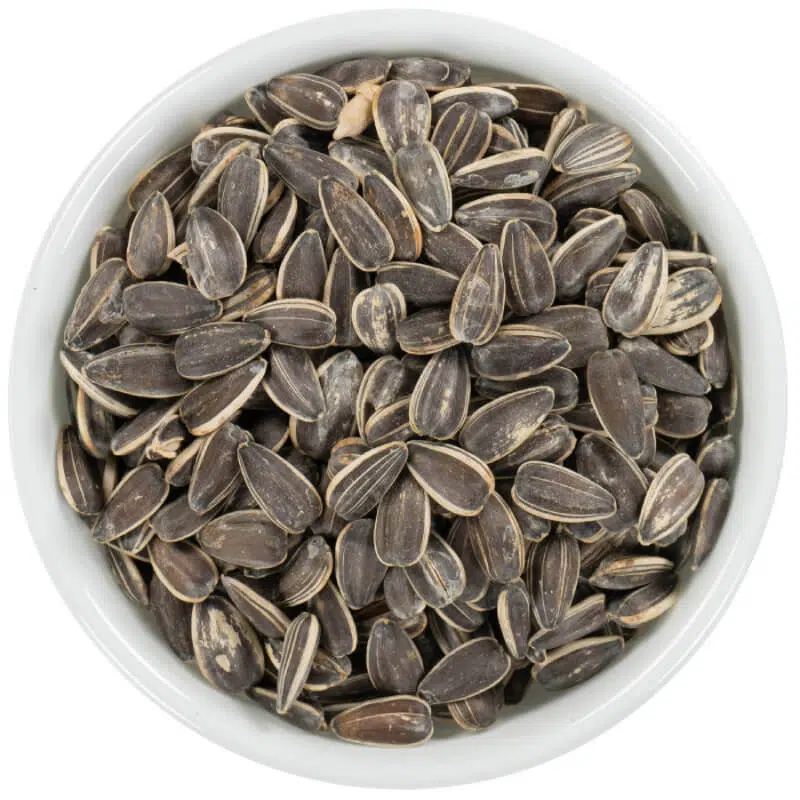
The foundational material in sweet melon seed manufacturing is, naturally, the seed itself. Melon seeds are comprised primarily of a seed coat (testa), endosperm, and embryo. The testa provides structural protection and is rich in cellulose and lignin, influencing the seed’s resistance to cracking during processing. The endosperm constitutes the bulk of the seed and is composed largely of lipids (30-50% by weight), proteins (20-30%), and carbohydrates. Lipid composition varies by melon variety, with differing ratios of saturated, monounsaturated, and polyunsaturated fatty acids impacting flavor and oxidative stability. Moisture content is a critical parameter, ideally maintained below 8% to prevent fungal growth and aflatoxin production. Manufacturing begins with harvesting and initial cleaning to remove debris (melon pulp, stems). Subsequent drying is typically conducted using a combination of sun drying and controlled-temperature mechanical dryers (fluidized bed or tray dryers). Temperature control during drying is paramount; exceeding 60°C can denature proteins and compromise seed viability. Grading is then performed, often utilizing mechanical sizing screens and optical sorting technologies to separate seeds by size and remove damaged or discolored seeds. Roasting, when employed, is a carefully controlled heat treatment impacting flavor and texture. Roasting temperature (typically 120-160°C) and duration must be optimized to develop desired flavor profiles without inducing lipid oxidation or acrylamide formation. Packaging involves sealing the seeds in moisture-barrier materials to maintain low moisture content and prevent rancidity.
Performance & Engineering
Performance engineering in sweet melon seed manufacturing revolves around maintaining seed quality throughout the processing chain and ensuring the final product meets stringent food safety standards. Force analysis is critical during seed handling. The seeds must withstand impacts during cleaning, sorting, and packaging without fracturing. Seed coat strength, directly related to cellulose content and maturity stage, is a key determinant of impact resistance. Environmental resistance is primarily focused on moisture control. Hygroscopic properties of the seeds necessitate robust packaging to prevent moisture reabsorption, which can lead to mold growth and aflatoxin contamination. Compliance requirements are extensive, encompassing regulations from organizations like the FDA (Food and Drug Administration), EFSA (European Food Safety Authority), and local agricultural authorities. Key compliance areas include aflatoxin levels (typically <20 ppb), pesticide residue limits, and adherence to Good Manufacturing Practices (GMP). Functional implementation of quality control systems involves continuous monitoring of moisture content, aflatoxin levels, and seed viability throughout the process. Statistical Process Control (SPC) charts are utilized to track key parameters and identify deviations from established limits. Equipment design must prioritize sanitation and ease of cleaning to prevent cross-contamination. Furthermore, the roasting process requires careful engineering to ensure uniform heating and minimize the formation of harmful compounds like acrylamide.
Technical Specifications
| Parameter | Unit | Typical Range | Test Method |
|---|---|---|---|
| Moisture Content | % | 6.0 – 8.0 | AOAC 925.10 |
| Aflatoxin B1 | ppb | <20 | HPLC-FLD |
| Seed Size (Length) | mm | 8 – 12 | Sieve Analysis |
| Oil Content | % | 35 – 45 | Soxhlet Extraction |
| Protein Content | % | 25 – 35 | Kjeldahl Method |
| Peroxide Value (Oil) | meq O2/kg | <5 | AOCS Cd 8-53 |
Failure Mode & Maintenance
Failure modes in sweet melon seed manufacturing can be categorized into biological, physical, and chemical failures. Biological failure is primarily related to fungal contamination, specifically Aspergillus flavus and Aspergillus parasiticus, which produce aflatoxins. This is exacerbated by high moisture content and improper storage conditions. Physical failures include seed cracking during processing, often due to excessive impact forces or inadequate seed coat strength. Damage during drying from uneven heat distribution is also common. Chemical failures arise from lipid oxidation, leading to rancidity and off-flavors. This is accelerated by exposure to oxygen, light, and high temperatures. Degradation of proteins during improper roasting can also contribute to undesirable flavor changes. Maintenance strategies must address these failure modes. Regular cleaning and sanitation of processing equipment are crucial to prevent fungal growth. Moisture content monitoring and control are paramount throughout the entire process. Proper storage conditions (cool, dry, dark) are essential to minimize oxidation and maintain seed quality. Equipment maintenance should focus on minimizing impact forces during handling and ensuring uniform heat distribution during drying and roasting. Preventive maintenance schedules for dryers, roasters, and sorting equipment are critical. Regular inspections for wear and tear on mechanical components will prevent equipment failures that can lead to product damage. Furthermore, implementation of a robust HACCP (Hazard Analysis and Critical Control Points) plan is essential to proactively identify and mitigate potential hazards.
Industry FAQ
Q: What are the primary factors influencing aflatoxin contamination in sweet melon seeds?
A: Aflatoxin contamination is primarily influenced by moisture content, temperature, and the presence of Aspergillus flavus spores. High moisture content (>8%) provides an ideal environment for fungal growth. Temperatures between 25-30°C are optimal for aflatoxin production. Poor handling practices that create seed damage also increase susceptibility to fungal infection. Effective control requires stringent moisture control, proper sanitation, and preventative measures to minimize seed damage.
Q: How does roasting affect the nutritional profile of sweet melon seeds?
A: Roasting can enhance the flavor and texture of sweet melon seeds but can also impact their nutritional profile. While roasting doesn't significantly reduce protein content, it can slightly decrease levels of certain vitamins (e.g., vitamin E) due to heat sensitivity. The process can also promote lipid oxidation, potentially reducing the availability of essential fatty acids. However, careful control of roasting temperature and duration can minimize these negative effects.
Q: What are the best practices for ensuring consistent seed size and quality?
A: Consistent seed size and quality are achieved through careful selection of melon varieties, optimized harvesting practices, and rigorous grading processes. Utilizing mechanical sizing screens and optical sorting technologies effectively removes seeds outside of the desired size range. Maintaining consistent drying rates and avoiding excessive impact forces during handling also contributes to quality control.
Q: What packaging materials are most suitable for maintaining seed freshness and preventing rancidity?
A: Packaging materials with excellent moisture and oxygen barrier properties are essential. Multi-layer films incorporating aluminum foil or metallized polyester are commonly used. Vacuum packaging or modified atmosphere packaging (MAP) with nitrogen flushing can further extend shelf life by reducing oxygen exposure. The material should also be food-grade and comply with relevant packaging regulations.
Q: What quality control tests are essential throughout the manufacturing process?
A: Essential quality control tests include regular monitoring of moisture content, aflatoxin levels, oil content, protein content, and seed viability. Sensory evaluation (taste, odor, appearance) should also be conducted. Periodic microscopic examination can assess seed damage and fungal contamination. Maintaining detailed records of all test results is crucial for traceability and quality assurance.
Conclusion
Sweet melon seed manufacturing is a complex process demanding meticulous attention to detail at every stage, from raw material sourcing to final packaging. Maintaining seed quality, mitigating aflatoxin contamination, and adhering to stringent food safety regulations are paramount. Understanding the material science of melon seeds – specifically the interplay between lipid composition, moisture content, and seed coat integrity – is critical for optimizing processing parameters and preventing failures.
The industry’s continued success relies on embracing technological advancements in sorting, drying, and packaging, coupled with robust quality control systems underpinned by statistical process control. Further research into novel drying techniques and natural antifungal compounds could contribute to enhanced seed quality and reduced reliance on synthetic preservatives. Proactive engagement with evolving regulatory standards and consumer preferences will be crucial for long-term sustainability and growth.
