Introduction
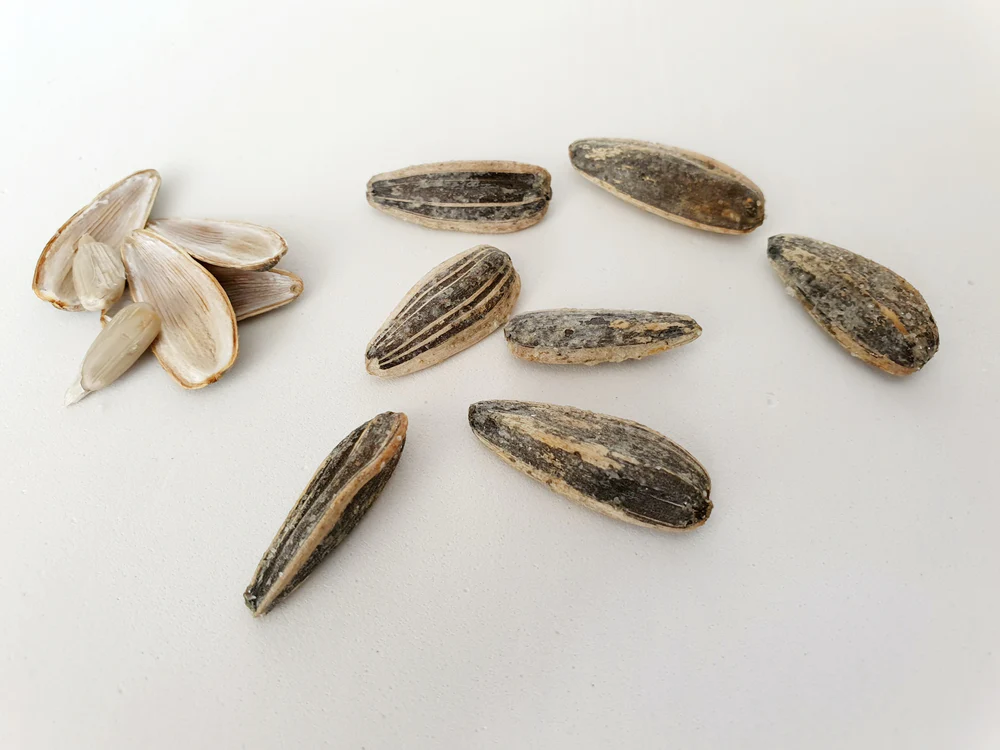
Sweet melon seed factories represent a critical node in the agricultural processing industry, transforming raw agricultural product into a commercially viable food item. These facilities are characterized by a complex interplay of mechanical processing, quality control, and sanitation procedures, all designed to deliver a consistent and safe product. The core function involves cleaning, drying, grading, and often, flavoring or coating melon seeds, primarily for snack consumption. The technical position within the food supply chain necessitates adherence to stringent hygiene standards, precise control of moisture content, and effective removal of foreign materials. Core performance metrics include seed integrity (minimizing breakage), retention of nutritional value, consistent flavor profile, and efficient throughput. Addressing key industry pain points – such as aflatoxin contamination, shell damage, and maintaining consistent seed size – is paramount for successful operation and market competitiveness. This guide provides a detailed technical overview of sweet melon seed processing, from material science to potential failure modes and relevant industry standards.
Material Science & Manufacturing
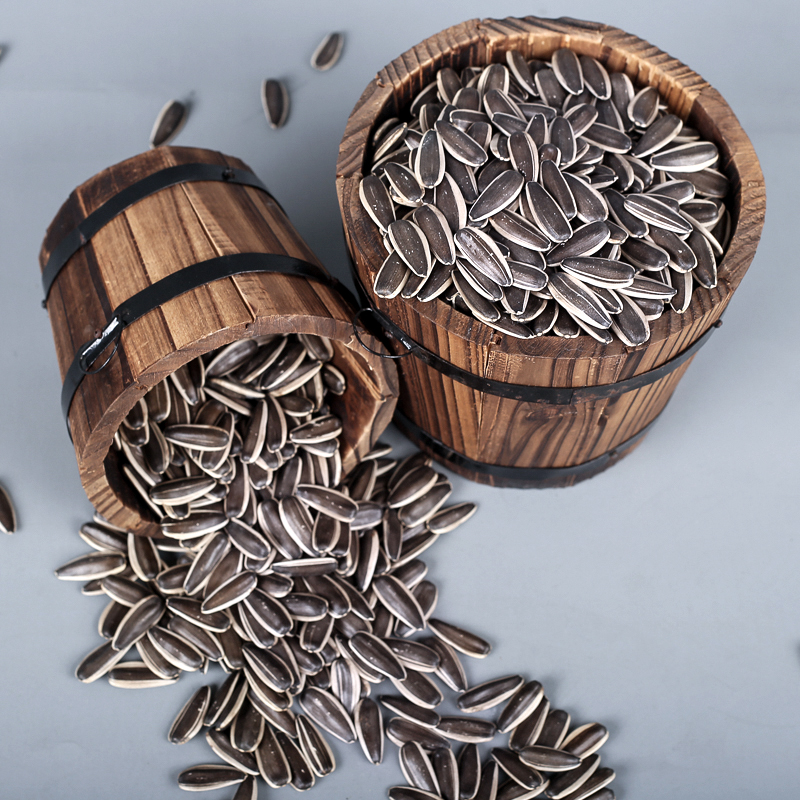
The primary raw material – sweet melon seeds – exhibits inherent physical and chemical characteristics that dictate processing parameters. Seeds are composed of approximately 40-50% oil, 20-30% protein, 15-20% carbohydrates, and 5-10% moisture. The seed coat, primarily cellulose and lignin, provides structural integrity but is susceptible to cracking during processing. Manufacturing begins with receiving raw seeds which often have varying moisture content and levels of debris. Cleaning is typically performed using a combination of sieving, aspiration (air separation), and destoning equipment to remove sticks, leaves, stones, and other foreign matter. Drying is a critical step, typically employing hot air ovens or fluidized bed dryers to reduce moisture content to 5-7%, inhibiting microbial growth and enhancing storage life. Control of drying temperature (typically 40-60°C) is crucial to prevent protein denaturation and lipid oxidation. Following drying, seeds are graded based on size and quality using mechanical graders. Shelling (if required for kernel extraction) employs impact or abrasive methods. Flavoring or coating involves tumbling seeds with various seasonings or coatings (salt, spices, sugar, etc.) in rotating drums. Key parameter control focuses on maintaining uniform temperature during drying, precise calibration of grading screens, and consistent application of coatings. Chemical compatibility between coating ingredients and the seed oil is crucial to prevent rancidity.
Performance & Engineering
The performance of sweet melon seed processing equipment is directly linked to force analysis, environmental resistance, and compliance with food safety regulations. Impact forces during shelling and conveying must be carefully managed to minimize seed breakage. Shelling machines operate on principles of controlled impact, necessitating precise control of impactor speed and clearance. Conveying systems must be designed to prevent seed abrasion and ensure gentle handling. Environmental resistance focuses on corrosion prevention in humid processing environments. Stainless steel (304/316 grades) is the preferred material for equipment components in contact with seeds, offering superior corrosion resistance. Dust control systems (cyclones, bag filters) are essential to mitigate combustible dust hazards. Compliance requirements stem from various regulatory bodies, including the FDA (Food and Drug Administration) in the US and equivalent organizations internationally. These regulations dictate acceptable levels of contaminants (aflatoxins, pesticides), sanitation procedures, and traceability protocols. Aflatoxin mitigation is paramount, often involving pre-sorting of susceptible seeds, rigorous cleaning, and the application of post-harvest treatments. Material selection, specifically the use of food-grade lubricants and sealants, directly impacts compliance. Equipment design must also facilitate thorough cleaning and sanitation, preventing bacterial growth and cross-contamination.
Technical Specifications
| Parameter | Unit | Typical Range | Test Method |
|---|---|---|---|
| Moisture Content | % | 5-7 | Oven Drying (AOAC) |
| Oil Content | % | 40-50 | Soxhlet Extraction (AOAC) |
| Seed Size (Average Diameter) | mm | 8-12 | Sieve Analysis |
| Broken Seed Percentage | % | <5 | Visual Inspection & Sieving |
| Aflatoxin Level (Total) | ppb | <20 | HPLC (High-Performance Liquid Chromatography) |
| Foreign Matter Content | % | <0.5 | Visual Inspection |
Failure Mode & Maintenance
Failure modes in sweet melon seed processing equipment can be categorized into mechanical, electrical, and hygienic failures. Mechanical failures include bearing wear in conveyor systems, cracking of sieving screens, and jamming of shelling mechanisms. These are often attributable to excessive loads, inadequate lubrication, or material fatigue. Electrical failures typically involve motor burnout, sensor malfunction, or control system errors. These can result from voltage fluctuations, overheating, or component degradation. Hygienic failures, stemming from inadequate cleaning, lead to bacterial contamination, mold growth, and the proliferation of pests. Aflatoxin contamination, even with initial controls, can re-emerge due to inadequate sanitation. Failure analysis should prioritize identifying the root cause of the failure. For example, bearing failure may require metallurgical analysis to determine the presence of wear metals. Cracked sieves require assessment of material properties and stress distribution. Maintenance solutions include preventative maintenance schedules (lubrication, inspection, component replacement), vibration analysis to detect bearing wear, and rigorous adherence to sanitation protocols. Regular cleaning with approved sanitizers, coupled with thorough drying, is crucial. Implementing a robust maintenance management system (CMMS) to track maintenance activities and spare parts inventory is highly recommended. Proactive component replacement, based on manufacturer recommendations and operating hours, can significantly reduce downtime.
Industry FAQ
Q: What are the key factors affecting aflatoxin contamination risk in sweet melon seeds?
A: Aflatoxin contamination is primarily influenced by pre-harvest conditions (drought stress, insect damage), seed handling practices (physical damage), and post-harvest storage (temperature, humidity). Maintaining optimal drying conditions, minimizing seed damage during processing, and ensuring proper storage are critical mitigation strategies. Regular aflatoxin testing and the implementation of HACCP (Hazard Analysis and Critical Control Points) principles are also essential.
Q: How does seed moisture content impact storage stability?
A: High moisture content promotes microbial growth and lipid oxidation, leading to rancidity and reduced shelf life. Maintaining a moisture content below 7% is crucial for long-term storage. Proper packaging materials with low oxygen transmission rates (OTR) also contribute to storage stability.
Q: What type of steel is recommended for processing equipment components?
A: Stainless steel grades 304 and 316 are highly recommended due to their excellent corrosion resistance, ease of cleaning, and food-grade compatibility. 316 stainless steel offers superior resistance to pitting corrosion in chloride-rich environments.
Q: What is the importance of proper sizing and grading of seeds?
A: Consistent seed size is crucial for uniform cooking or roasting during subsequent processing by the consumer. Proper grading removes undersized or broken seeds, improving product quality and aesthetic appeal. It also optimizes processing efficiency by ensuring consistent flow rates through equipment.
Q: How can we ensure effective dust control to prevent combustible dust hazards?
A: Implementing a comprehensive dust control system is essential. This includes enclosing dust-generating equipment, using dust collection systems (cyclones, bag filters), regularly cleaning surfaces to remove accumulated dust, and ensuring proper grounding and bonding to prevent static electricity buildup. Compliance with NFPA 68 (Standard on Combustible Dusts) is crucial.
Conclusion
Sweet melon seed processing demands a sophisticated understanding of material science, mechanical engineering, and food safety principles. Optimizing moisture content, minimizing seed damage, and rigorously controlling aflatoxin levels are paramount for delivering a high-quality, safe, and palatable product. The selection of appropriate materials of construction, particularly stainless steel, and the implementation of preventative maintenance programs are critical for ensuring equipment reliability and longevity.
Future developments in this sector will likely focus on automation, sensor-based sorting technologies (e.g., optical sorting), and advanced drying methods to improve efficiency and reduce waste. Continued research into novel coating formulations with enhanced flavor and nutritional properties will also be important. Adherence to evolving regulatory standards and a commitment to sustainable processing practices will be essential for long-term success.
