Introduction
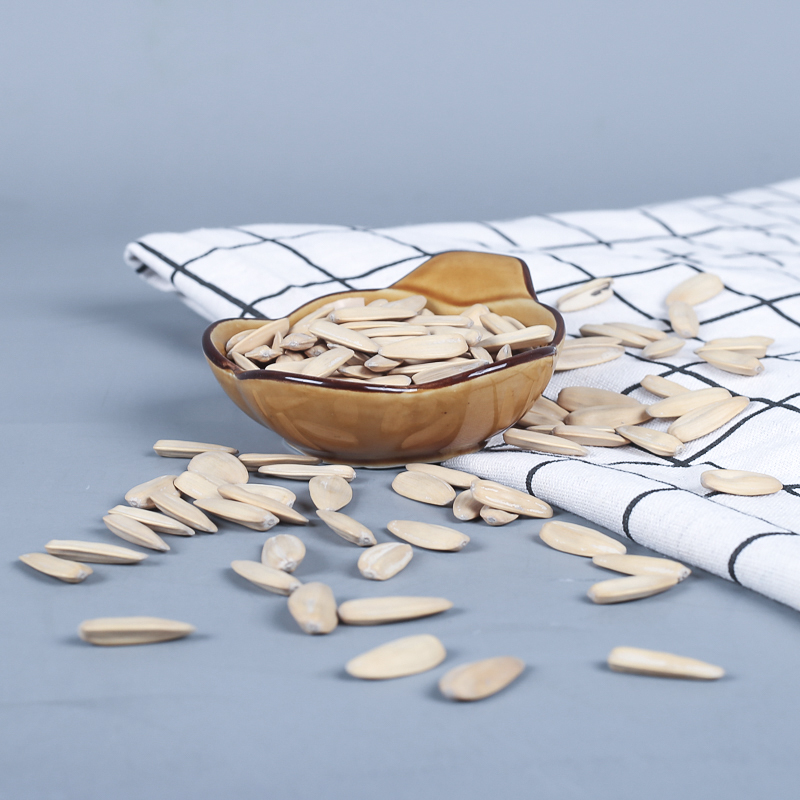
Sweet melon seed exportation constitutes a significant segment of the global agricultural trade, demanding adherence to stringent quality control measures and international phytosanitary standards. These seeds, derived from Cucumis melo cultivars, are primarily valued for their oil content, culinary applications, and potential for further agricultural propagation. This technical guide provides a comprehensive overview of the material science, manufacturing processes, performance characteristics, potential failure modes, and relevant regulatory frameworks governing the export of sweet melon seeds. A critical pain point for exporters is maintaining consistent seed viability and minimizing contamination throughout the supply chain, directly impacting export compliance and market access. Furthermore, understanding the varying seed quality requirements of different importing nations is paramount for sustained export success. The seeds’ inherent physiological properties and susceptibility to environmental factors present ongoing challenges requiring robust quality assurance protocols.
Material Science & Manufacturing
Sweet melon seeds are composed primarily of carbohydrates (approximately 60-70%), proteins (20-30%), and lipids (30-40%), with trace amounts of vitamins and minerals. The seed coat, or testa, provides a protective outer layer consisting of cellulose, hemicellulose, and lignin, contributing to the seed's structural integrity. Lipid composition predominantly features linoleic acid, oleic acid, and palmitic acid. Manufacturing begins with harvesting mature fruits. Seeds are then extracted, typically through mechanical means involving crushing and screening, followed by cleaning to remove residual pulp and debris. Drying is a critical step, traditionally performed using sun-drying or, increasingly, controlled-temperature drying systems. Moisture content must be reduced to approximately 8-10% to inhibit fungal growth and maintain viability during storage and transport. Parameter control during drying is crucial; excessive temperatures can denature proteins and reduce germination rates. Subsequent grading is performed based on size, weight, and visual inspection for defects. Seed treatment with fungicides or insecticides may be employed, adhering to permissible residue limits established by importing countries. Seed storage conditions, particularly temperature and humidity, are critical for preserving seed viability over extended periods. The control of aflatoxin levels, a mycotoxin produced by Aspergillus fungi, is a significant concern necessitating rigorous quality control procedures.
Performance & Engineering
Seed performance is fundamentally linked to its physiological quality, specifically germination rate, vigor, and seedling establishment. Germination rate, typically assessed under controlled laboratory conditions, reflects the percentage of seeds that successfully sprout. Seed vigor, a more comprehensive measure, assesses the speed and uniformity of germination and seedling growth. Engineering considerations primarily focus on packaging and storage to optimize seed preservation. Packaging materials must provide adequate moisture barrier properties to prevent hydration and fungal growth. High-density polyethylene (HDPE) and aluminum foil laminates are commonly used. Storage facilities require temperature control (typically between 5-10°C) and low relative humidity (below 60%). Bulk storage systems must be designed to minimize compaction and ensure adequate ventilation. Mechanical stress during handling and transport can cause physical damage to the seed coat, reducing viability. Impact resistance testing is important for evaluating the robustness of packaging materials. Furthermore, compliance with Plant Protection Organization (PPO) standards, particularly ISPM 38 (International Standards for Phytosanitary Measures No. 38) regarding wood packaging, is essential to prevent the spread of invasive pests. Force analysis related to seed handling—impact forces during sorting, packaging, and transport—is vital to optimize packaging and handling procedures.
Technical Specifications
| Parameter | Unit | Typical Value | Acceptable Range |
|---|---|---|---|
| Germination Rate | % | 85 | ≥ 80 |
| Moisture Content | % | 9 | 8-12 |
| Oil Content | % (dry weight basis) | 40 | 35-45 |
| 1000-Seed Weight | g | 25 | 20-30 |
| Aflatoxin Level (B1) | µg/kg | <2 | <5 (regulatory limit in many countries) |
| Seed Purity | % | 99 | ≥ 98 |
Failure Mode & Maintenance
Common failure modes in sweet melon seed exportation include loss of viability due to improper storage (high temperature, high humidity), physical damage during handling (cracking, chipping), and contamination (fungal infection, insect infestation). Aflatoxin contamination represents a critical failure mode, rendering the seeds unsuitable for consumption or propagation. Lipid oxidation can occur during storage, leading to rancidity and reduced seed quality. Delamination of the seed coat can occur due to repeated freeze-thaw cycles. Maintenance, in this context, refers to preventative measures and quality control procedures. These include rigorous temperature and humidity monitoring during storage and transport, thorough cleaning and disinfection of storage facilities, and regular seed viability testing. Implementing a first-in, first-out (FIFO) inventory management system is crucial to minimize storage duration. Proper packaging is essential for protecting seeds from physical damage and moisture ingress. Regular inspections for pest infestation are necessary, and appropriate pest control measures should be implemented. Utilizing desiccant packets within packaging can help absorb residual moisture. Periodic chemical analysis for aflatoxin levels is vital to ensure compliance with regulatory standards.
Industry FAQ
Q: What are the primary factors affecting sweet melon seed viability during long-term storage?
A: The three principal factors are moisture content, temperature, and oxygen availability. High moisture content promotes fungal growth and accelerates metabolic processes, reducing viability. Elevated temperatures increase respiration rates and accelerate deterioration. Exposure to oxygen can lead to lipid oxidation. Maintaining low moisture (8-10%), low temperature (5-10°C), and reduced oxygen levels through appropriate packaging are critical for maximizing storage life.
Q: How do different packaging materials impact seed quality during transport?
A: Packaging materials significantly influence moisture control and physical protection. HDPE offers good moisture resistance but may not provide a complete barrier. Aluminum foil laminates offer excellent moisture and oxygen barrier properties. Packaging must also withstand the rigors of transport—vibration, impact, and compression. Consideration should be given to the packaging’s resistance to tearing and puncture.
Q: What is the significance of aflatoxin testing and what are the acceptable limits?
A: Aflatoxin is a potent carcinogen produced by Aspergillus fungi. Its presence in sweet melon seeds renders them unsafe for consumption and often leads to rejection by importing countries. Acceptable limits vary by country but generally range from 0-5 µg/kg. Regular testing using ELISA or HPLC methods is essential for ensuring compliance.
Q: What phytosanitary regulations must be adhered to during export?
A: Adherence to ISPM 38 regarding wood packaging is paramount to prevent the spread of invasive pests. Seeds may also require a phytosanitary certificate issued by the exporting country’s National Plant Protection Organization, verifying that the seeds are free from quarantine pests. Importing countries may have specific requirements regarding seed treatment and pest-free status.
Q: How is seed purity determined and why is it important?
A: Seed purity is determined by visual inspection and laboratory analysis to identify and quantify the presence of other seeds, inert matter (chaff, debris), and damaged seeds. High seed purity is crucial for ensuring uniform germination rates and preventing the introduction of weed seeds into agricultural systems. A purity level of ≥ 98% is generally required for export.
Conclusion
The successful export of sweet melon seeds relies on a comprehensive understanding of their material properties, manufacturing processes, and potential degradation pathways. Maintaining optimal storage conditions, employing appropriate packaging materials, and adhering to stringent quality control measures are essential for preserving seed viability and meeting international regulatory requirements. Aflatoxin contamination remains a significant challenge necessitating proactive monitoring and mitigation strategies.
Future advancements in seed treatment technologies and packaging materials promise to further enhance seed preservation and extend shelf life. Implementing robust traceability systems, from farm to export, will improve supply chain transparency and facilitate rapid response to quality concerns. Continuous monitoring of evolving international standards and regulations is crucial for sustained market access and competitiveness.
