Introduction
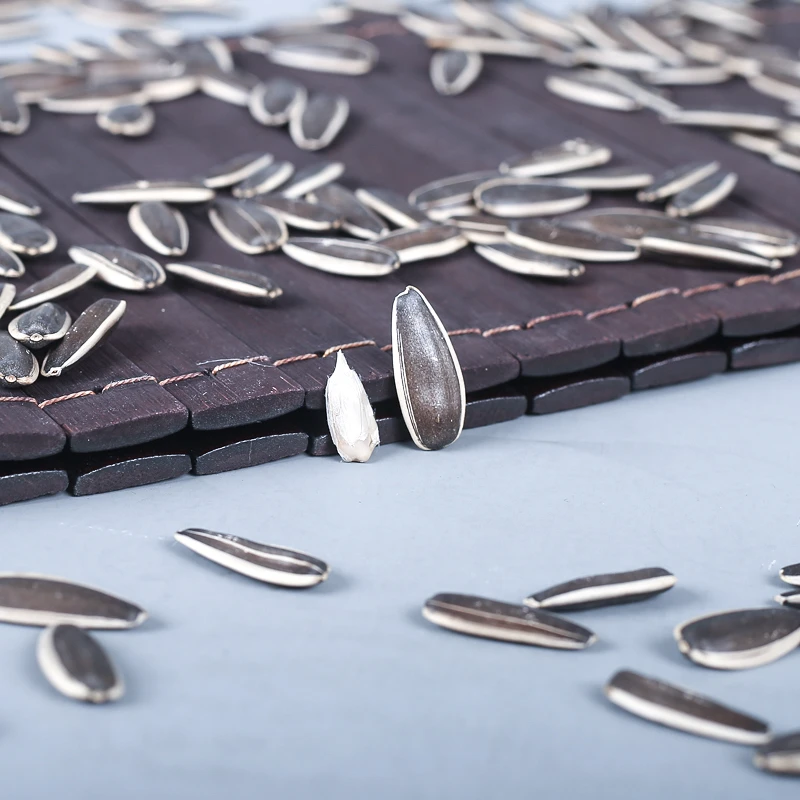
Shelled sunflower seeds represent a significant commodity within the snack food and ingredient sectors. This technical guide focuses on the characteristics, production, quality control, and potential failure modes of commercially available shelled sunflower seeds, supplied for industrial processing and direct consumption. These seeds, Helianthus annuus, occupy a unique position in the food chain, acting as both a direct snack and a component in various food formulations, including baked goods, trail mixes, and birdseed. The quality parameters critical to sunflower seed acceptability extend beyond basic nutritional content to encompass kernel integrity, oil content, moisture levels, and the absence of foreign materials or mycotoxins. This guide addresses the core concerns of procurement managers, quality control engineers, and food scientists involved in the sourcing and application of shelled sunflower seeds. The primary performance indicators revolve around consistency in size, oil yield, and sensory attributes, all heavily influenced by cultivar selection and post-harvest processing.
Material Science & Manufacturing
Sunflower seeds primarily consist of three key components: the kernel (cotyledon), the hull (pericarp), and the embryo. For shelled seeds, the focus is exclusively on the kernel, which is rich in lipids (40-50% by weight), proteins (20-25%), carbohydrates (15-20%), and fiber (5-10%). The lipid composition predominantly comprises linoleic acid (a polyunsaturated omega-6 fatty acid) and oleic acid (a monounsaturated fatty acid). The manufacturing process begins with cultivar selection, prioritizing high oil content and kernel size. Harvesting occurs when the seed moisture content reaches approximately 18-20%. Post-harvest drying is crucial, typically employing forced-air dryers to reduce moisture to 8-10%, preventing fungal growth and preserving oil quality. Dehulling is achieved through mechanical methods involving impact and friction. Seed flow is meticulously controlled to minimize kernel damage. Critical parameters during dehulling include impeller speed, clearance between rotating components, and feed rate. Following dehulling, seeds undergo cleaning to remove residual hulls, dust, and foreign matter using aspiration, screening, and gravity separation. Grading based on size and density is then implemented, often utilizing vibrating screens. Finally, the seeds may undergo surface treatment with edible coatings to enhance gloss or preserve freshness. Chemical compatibility of processing equipment materials (typically stainless steel 304/316) with sunflower seed oils is vital to prevent corrosion and off-flavor development. Oil oxidation can be catalyzed by trace metals in contact with the oil, necessitating careful material selection.
Performance & Engineering
The structural integrity of the sunflower kernel is paramount to its performance. Force analysis during handling and processing (e.g., conveying, sorting, packaging) reveals that kernels are susceptible to cracking under compressive and shear stresses. Kernel hardness, measured using a penetrometer, is a critical quality attribute. Environmental resistance is largely determined by moisture content and lipid oxidation stability. High moisture levels promote fungal growth and rancidity. Exposure to oxygen, light, and elevated temperatures accelerates lipid peroxidation, leading to off-flavors and reduced nutritional value. Packaging materials with low oxygen transmission rates (OTR) and moisture vapor transmission rates (WVTR) are therefore essential for maintaining product quality. Compliance requirements include adherence to food safety regulations set forth by organizations such as the FDA (Food and Drug Administration) in the US, EFSA (European Food Safety Authority) in Europe, and equivalent bodies in other regions. These regulations encompass limits on mycotoxin levels (aflatoxins, ochratoxins), pesticide residues, and heavy metal contamination. Furthermore, the seeds must meet labeling requirements regarding nutritional information and allergen declarations. The mechanical design of processing equipment must account for the abrasive nature of the seeds and minimize the generation of fines (broken kernel fragments).
Technical Specifications
| Parameter | Specification | Test Method | Tolerance |
|---|---|---|---|
| Moisture Content (%) | 8.0 - 10.0 | AOAC 925.10 | +/- 0.5% |
| Oil Content (%) | 45.0 - 55.0 | SOXTEC Method | +/- 2.0% |
| Kernel Size (mm) | 10-16 (average diameter) | Sieve Analysis | +/- 2mm |
| Kernel Damage (%) | < 5.0 | Visual Inspection | +/- 1.0% |
| Free Fatty Acids (FFA) (as oleic acid) (%) | < 1.0 | Titration (AOCS Cd 3-63) | +/- 0.1% |
| Peroxide Value (meq O2/kg) | < 5.0 | AOCS Cd 8-53 | +/- 0.5 meq O2/kg |
Failure Mode & Maintenance
Sunflower kernels are susceptible to several failure modes. Fatigue cracking can occur during handling and processing due to repeated stress. Oxidative rancidity is a primary degradation pathway, resulting in off-flavors and reduced nutritional value. This is exacerbated by exposure to oxygen, light, and heat. Microbial contamination, particularly by mycotoxin-producing fungi (e.g., Aspergillus species), poses a significant safety risk. Kernel breakage during dehulling and handling leads to fines, reducing product quality and increasing waste. Moisture absorption can initiate fungal growth and accelerate lipid oxidation. Preventative maintenance of processing equipment is crucial. This includes regular cleaning to remove seed debris, lubrication of moving parts to reduce friction, and inspection of dehulling equipment for wear and damage. Temperature and humidity control in storage facilities is essential to minimize fungal growth. Employing nitrogen flushing during packaging can reduce oxygen levels and extend shelf life. Implementing a robust HACCP (Hazard Analysis and Critical Control Points) plan is vital for identifying and controlling potential hazards throughout the entire supply chain. Periodic monitoring of mycotoxin levels and free fatty acid content is recommended. Seed lots should be rotated to minimize the risk of long-term storage degradation.
Industry FAQ
Q: What are the key differences in oil profile between high-oleic and conventional sunflower seeds?
A: High-oleic sunflower seeds contain predominantly oleic acid (typically >70%), resulting in enhanced oxidative stability and a longer shelf life compared to conventional seeds, which have a higher linoleic acid content (typically 60-70%). This makes high-oleic seeds preferable for applications requiring heat stability, such as frying oils.
Q: How does moisture content impact the susceptibility of sunflower seeds to aflatoxin contamination?
A: Higher moisture content provides a favorable environment for the growth of Aspergillus species, which produce aflatoxins. Maintaining moisture content below 10% is critical for minimizing the risk of aflatoxin contamination.
Q: What methods are used to determine the presence and levels of mycotoxins in sunflower seeds?
A: High-performance liquid chromatography (HPLC) coupled with fluorescence detection or mass spectrometry (MS) is the primary method for quantifying aflatoxins and other mycotoxins. ELISA (Enzyme-Linked Immunosorbent Assay) is a rapid screening method but may be less accurate than HPLC-MS.
Q: What are the acceptable limits for foreign material in shelled sunflower seeds?
A: Acceptable limits for foreign material vary depending on the intended use and regulatory requirements. Generally, limits are specified for inert matter (stones, glass, metal) and organic matter (stalks, leaves). Typically, inert matter is limited to <50 ppm and organic matter to <1000 ppm.
Q: How does storage temperature affect the quality of shelled sunflower seeds over extended periods?
A: Higher storage temperatures accelerate lipid oxidation and degradation of other quality attributes. Storing seeds at temperatures below 15°C (59°F) significantly slows down these degradation processes and extends shelf life. Controlled atmosphere storage (reducing oxygen levels) further enhances preservation.
Conclusion
Shelled sunflower seeds represent a complex agricultural product requiring meticulous control over cultivar selection, harvesting, processing, and storage. Maintaining optimal moisture content, minimizing kernel damage, and preventing lipid oxidation are crucial for ensuring product quality and safety. The performance characteristics of these seeds are intrinsically linked to their chemical composition, physical properties, and susceptibility to environmental factors.
Future research should focus on developing improved dehulling technologies to reduce kernel breakage and enhance processing efficiency. Exploring novel packaging materials with superior barrier properties and incorporating antioxidant additives can further extend shelf life and preserve nutritional value. Furthermore, continuous monitoring and adherence to stringent quality control standards, aligned with international regulations, are paramount for ensuring the consistent supply of high-quality shelled sunflower seeds to meet the demands of a diverse range of industries.
