Introduction
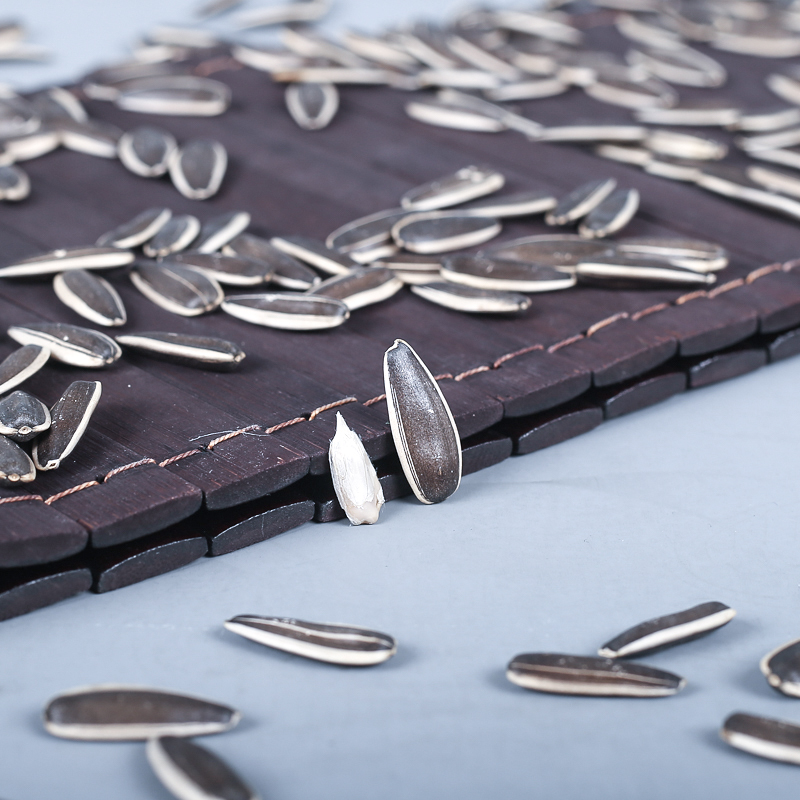
Sunflower seeds with shells represent a significant segment of the global snack food industry, characterized by a complex interplay of agronomic practices, post-harvest processing, and quality control. These seeds, Helianthus annuus, are not merely a commodity; they are a carefully calibrated agricultural product subject to stringent standards concerning oil content, kernel size, moisture levels, and shell integrity. The manufacturing process, spanning from field cultivation to final packaging, demands precise control to minimize defects and ensure palatability. This guide provides a comprehensive technical overview of sunflower seed with shell production, covering material science, manufacturing methodologies, performance characteristics, potential failure modes, and relevant industry standards. A key industry pain point revolves around maintaining consistent kernel-to-shell ratio, minimizing foreign material contamination, and ensuring compliance with varying international regulations concerning mycotoxin levels and pesticide residues. The demand for consistent quality and traceability poses ongoing challenges for manufacturers.
Material Science & Manufacturing
The raw material, sunflower seeds, is comprised of three primary components: the kernel (containing oil and protein), the shell (a lignocellulosic material providing physical protection), and residual plant matter. The kernel’s oil content, typically ranging from 40-55%, dictates its economic value. Shell composition consists primarily of cellulose (30-40%), hemicellulose (20-25%), and lignin (20-30%), providing rigidity and resistance to crushing. Manufacturing begins with harvesting, typically employing combine harvesters equipped with specialized seed-collecting heads. Post-harvest processing involves cleaning (removal of stalks, leaves, and other debris using air separators and sieves), drying (to reduce moisture content to 8-10% to prevent fungal growth and maintain quality – often utilizing fluid bed dryers or ambient air drying), dehulling (partial or complete removal of the shell, dependent on product specification – employing impact or friction-based dehullers), sizing (separation of seeds based on kernel size utilizing screens), and sorting (removal of damaged or discolored seeds via optical sorting technologies). Critical parameters during drying include temperature control (avoiding overheating which degrades oil quality) and airflow rate (ensuring uniform drying). Shell integrity is heavily influenced by the genotype of the sunflower variety and growing conditions; sufficient calcium levels during seed development are crucial for robust shell formation. The use of optical sorters, employing near-infrared spectroscopy, allows for detection of damaged kernels and foreign material with high accuracy.
Performance & Engineering
The performance of sunflower seeds with shell is assessed through several engineering parameters. Shell strength, measured by crushing force, directly impacts resistance to damage during handling and transportation. Moisture content is a critical factor influencing seed viability and susceptibility to fungal contamination; optimal levels require precise control throughout processing and storage. The kernel-to-shell ratio, expressed as a percentage by weight, determines product yield and consumer appeal. Furthermore, the seeds are subject to environmental resistance testing, primarily focusing on storage stability under varying temperature and humidity conditions. Compliance requirements dictate permissible levels of aflatoxins (produced by Aspergillus species), pesticide residues (governed by regulations like MRLs – Maximum Residue Limits), and heavy metal contamination. Force analysis during packaging and transportation is crucial to minimize kernel breakage and shell damage. Packaging materials must provide adequate barrier properties against moisture and oxygen to maintain product quality and extend shelf life. Finite element analysis (FEA) can be employed to optimize packaging design for impact resistance. Degradation of oil quality, measured by peroxide value and acid value, is a key indicator of shelf life. The mechanical properties of the shell contribute to its ability to protect the kernel during processing and handling.
Technical Specifications
| Parameter | Unit | Typical Value | Testing Method |
|---|---|---|---|
| Kernel-to-Shell Ratio | % (Weight) | 60-70 | Weight Differential Analysis (ASTM E177) |
| Moisture Content (Kernel) | % | 8-10 | Oven Drying Method (AACC Method 915.03) |
| Oil Content (Kernel) | % | 40-55 | Soxhlet Extraction (AOCS Official Method Ak 3.25) |
| Shell Strength (Crushing Force) | N (Newtons) | > 50 | Universal Testing Machine (ASTM D695) |
| Aflatoxin B1 | ppb (parts per billion) | < 20 | ELISA (Enzyme-Linked Immunosorbent Assay) |
| Foreign Material | % (Weight) | < 1 | Visual Inspection & Sieve Analysis |
Failure Mode & Maintenance
Sunflower seeds with shells are susceptible to several failure modes. Kernel cracking during handling and processing can result from excessive impact forces or improper equipment settings. Shell breakage compromises seed integrity and increases the risk of contamination. Moisture absorption leads to fungal growth and aflatoxin production, rendering the product unsafe for consumption. Lipid oxidation, manifested as rancidity, degrades oil quality and palatability. Pest infestation (e.g., by storage mites) can cause significant damage and contamination. Delamination of the shell, resulting from inconsistent drying or mechanical stress, reduces its protective function. Maintenance strategies include implementing rigorous quality control measures throughout the manufacturing process, ensuring proper drying and storage conditions (temperature and humidity control), utilizing appropriate packaging materials with barrier properties, and implementing a robust pest management program. Regular inspection of equipment (dehullers, sorters, dryers) is crucial to identify and address potential mechanical failures. Preventative maintenance, including lubrication and component replacement, extends equipment lifespan and minimizes downtime. Batch traceability is critical for identifying the source of defects and implementing corrective actions.
Industry FAQ
Q: What are the key factors influencing the aflatoxin levels in sunflower seeds?
A: Aflatoxin contamination is primarily influenced by pre-harvest factors such as drought stress, insect damage, and the presence of Aspergillus spores in the field. Post-harvest handling practices, particularly drying and storage, are also critical. Inadequate drying and high humidity levels promote fungal growth and aflatoxin production. Implementing proper field sanitation, utilizing resistant sunflower varieties, and employing effective drying and storage protocols are essential for minimizing aflatoxin risk.
Q: How does the shell contribute to the overall quality and shelf life of sunflower seeds?
A: The shell provides physical protection to the kernel, reducing damage during handling and transportation. It also acts as a barrier against moisture and oxygen, slowing down lipid oxidation and preserving oil quality. A robust, undamaged shell contributes to a longer shelf life and maintains the palatability of the seeds. However, excessive shell fragments can be undesirable for consumers, necessitating effective dehulling and sorting processes.
Q: What are the challenges in maintaining a consistent kernel-to-shell ratio during manufacturing?
A: The kernel-to-shell ratio varies depending on sunflower variety, growing conditions, and the efficiency of the dehulling process. Achieving a consistent ratio requires precise control of dehulling parameters (impact force, friction rate) and effective sorting mechanisms to remove seeds with excessively high or low ratios. Variations in seed size and shell thickness also contribute to this challenge.
Q: What optical sorting technologies are used in sunflower seed processing, and what parameters do they measure?
A: Optical sorting technologies, utilizing cameras and image processing algorithms, are widely employed to remove defective seeds. These systems typically measure color, size, shape, and surface defects. Near-infrared (NIR) spectroscopy can also be used to assess internal quality parameters such as oil content and moisture levels. Sophisticated algorithms can identify and reject seeds with foreign material contamination.
Q: What are the critical storage conditions for maintaining the quality of sunflower seeds with shells?
A: Optimal storage conditions involve maintaining a low temperature (below 15°C/59°F) and a relative humidity below 65%. Adequate ventilation is essential to prevent moisture buildup and fungal growth. Seeds should be stored in clean, dry, and pest-proof containers. Regular monitoring of temperature, humidity, and aflatoxin levels is crucial for ensuring long-term quality.
Conclusion
The production of sunflower seeds with shells is a multifaceted process demanding stringent control over agronomic practices, post-harvest handling, and quality assurance procedures. Achieving consistent quality necessitates a thorough understanding of the material science principles governing kernel and shell properties, coupled with the implementation of advanced engineering solutions for processing and storage. The primary challenges revolve around minimizing defects, ensuring food safety (aflatoxin control), and meeting evolving consumer demands for consistent product characteristics.
Future advancements in sunflower seed manufacturing will likely focus on improved dehulling technologies, enhanced optical sorting capabilities, and the development of predictive models for aflatoxin risk assessment. Furthermore, the integration of blockchain technology can enhance traceability and transparency throughout the supply chain, providing consumers with greater confidence in product quality and safety. Continued research into sunflower genetics and agronomy will also play a vital role in improving seed quality and yield.
