Introduction
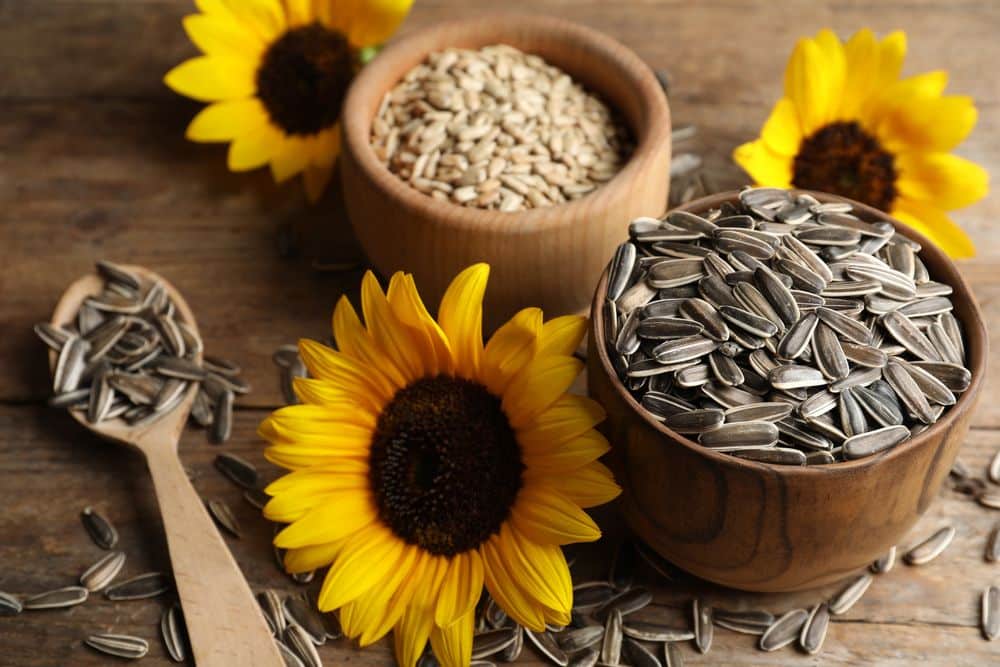
Sunflower seeds, Helianthus annuus, represent a significant agricultural commodity within the global snack food and oilseed markets. The provision of variety packs by suppliers constitutes a specialized segment demanding rigorous quality control, precise grading, and adherence to food safety standards. This technical guide details the critical aspects of sunflower seed variety pack production, covering material science, manufacturing processes, performance characteristics, potential failure modes, and relevant industry regulations. The core performance parameters for these packs revolve around seed viability, moisture content, oil percentage, absence of foreign material, and packaging integrity to maintain freshness and prevent rancidity. Suppliers face ongoing challenges related to aflatoxin contamination, shell damage during processing, maintaining consistent kernel size across varieties, and compliance with increasingly stringent international food safety regulations. This document serves as a comprehensive resource for procurement managers, quality control engineers, and production personnel involved in the sunflower seed variety pack supply chain.
Material Science & Manufacturing
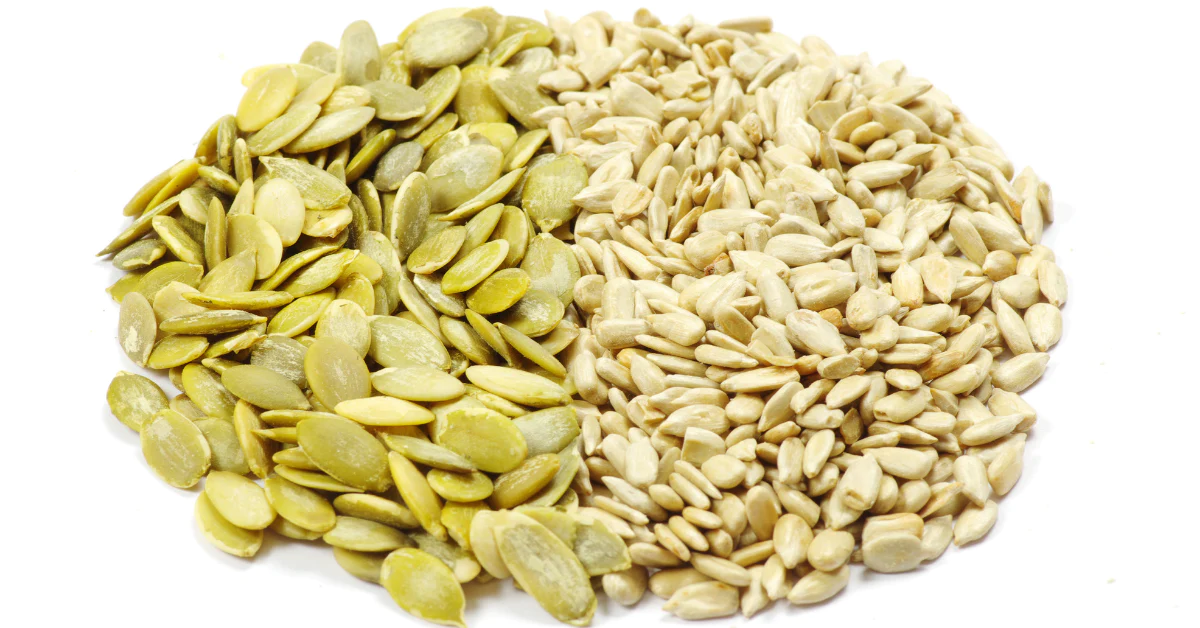
Sunflower seeds consist primarily of an oil-rich kernel encased within a shell, or hull. The kernel comprises approximately 40-60% oil, with linoleic acid being the dominant fatty acid. Protein content ranges from 18-25%, with carbohydrates accounting for roughly 15-20%. Shell composition is largely cellulose and lignin. Variations in seed size, oil content, and protein levels are genotype-dependent and influenced by growing conditions (soil type, climate, fertilization). Manufacturing begins with harvesting, typically employing combine harvesters. Subsequent processing involves cleaning (removal of stalks, leaves, and other debris), de-heading, drying to a moisture content of 8-10% (critical for preventing mold growth and preserving oil quality – achieved via controlled-temperature air drying), dehulling (removing the shell, often mechanically), sizing/grading (separation based on kernel size and weight using screens and gravity tables), and finally, packaging. Key parameter control during drying is paramount; excessive temperatures can denature proteins and degrade oil quality. Dehulling efficiency is directly related to seed maturity and moisture content; brittle shells are easier to crack. Kernel damage during processing, characterized by cracked or broken kernels, is a significant concern as it increases surface area exposed to oxidation and facilitates moisture absorption. Variety pack suppliers often source seeds from multiple growers, necessitating blending to achieve a consistent quality profile. The quality of the packaging materials also greatly affects the product shelf life and quality.
Performance & Engineering
The performance of sunflower seed variety packs is evaluated based on several key engineering parameters. Moisture content, as mentioned, is critical and must be maintained below 10% to prevent microbial growth and rancidity. Water Activity (Aw) is a more precise measure of available water, and should be below 0.65. Oil stability, measured by the Rancimat method, indicates the rate of oxidation and directly correlates with shelf life. Force analysis during dehulling assesses the cracking force required to remove the shell; this parameter informs equipment calibration and optimization. Packaging integrity, evaluated through seal strength testing and barrier property analysis (Oxygen Transmission Rate – OTR, Water Vapor Transmission Rate – WVTR), is crucial for maintaining a modified atmosphere and preventing moisture ingress. The selection of packaging films (typically multi-layer laminates containing polyethylene, polypropylene, and aluminum foil) is based on these barrier properties. Environmental resistance testing includes exposure to varying temperatures and humidity levels to simulate storage conditions. Compliance requirements necessitate adherence to food safety regulations (HACCP, GMP) and labeling standards (nutritional information, allergen declarations). Package dimensions and weight must conform to specifications to ensure efficient stacking and transportation. Seed viability testing using germination assays ensures the seeds retain their ability to sprout, indicating seed quality.
Technical Specifications
| Parameter | Unit | Specification | Test Method |
|---|---|---|---|
| Moisture Content | % | ≤ 10.0 | Oven Drying (AACC Method 30-24) |
| Oil Content | % | 40-60 | Soxhlet Extraction (AOCS Official Method Ak 3-93) |
| Free Fatty Acids (FFA) | % as oleic acid | ≤ 0.5 | Titration (AOCS Official Method Ca 9-57) |
| Kernel Damage (Broken/Cracked) | % by weight | ≤ 5.0 | Visual Inspection & Sieve Analysis |
| Foreign Material | % by weight | ≤ 0.5 | Visual Inspection & Sorting |
| Aflatoxin B1 | ppb | ≤ 20 | HPLC (High-Performance Liquid Chromatography) |
Failure Mode & Maintenance
Sunflower seed variety packs are susceptible to several failure modes. Rancidity, caused by lipid oxidation, is a primary concern, leading to off-flavors and reduced nutritional value. This is accelerated by exposure to oxygen, light, and elevated temperatures. Aflatoxin contamination, caused by Aspergillus flavus and Aspergillus parasiticus molds, poses a serious health hazard. Moisture absorption can lead to clumping, mold growth, and reduced shelf life. Packaging failure (seal defects, punctures, tears) compromises barrier properties. Kernel damage increases susceptibility to oxidation and pest infestation. Maintenance protocols include regular inspection of processing equipment (dehullers, graders, dryers) for wear and tear. Proper cleaning and sanitation of facilities are essential to prevent mold growth. Storage conditions should be cool, dry, and dark. First-In, First-Out (FIFO) inventory management minimizes storage time. Regular monitoring of moisture content and oil quality is crucial. Packaging materials should be inspected for defects before use. Implementing a robust traceability system allows for quick identification and recall of affected batches. Proper calibration of drying and grading equipment ensures consistent quality. Preventive maintenance programs are vital to prevent equipment failures.
Industry FAQ
Q: What are the critical control points for preventing aflatoxin contamination in sunflower seeds?
A: Critical control points include sourcing seeds from regions with low aflatoxin prevalence, implementing pre-harvest monitoring, ensuring proper drying to reduce moisture content below 10%, effective cleaning and sorting to remove contaminated seeds, and regular testing of finished products using HPLC. Proper storage conditions are also crucial to prevent mold growth.
Q: How does kernel size variation impact the quality of a variety pack?
A: Significant kernel size variation can affect consumer perception of value and consistency. It can also lead to uneven processing during dehulling and grading, resulting in a higher proportion of damaged kernels. Suppliers should implement rigorous grading procedures to minimize size variation.
Q: What packaging materials provide the best barrier properties for maintaining sunflower seed freshness?
A: Multi-layer laminates incorporating polyethylene (PE) for sealing, polypropylene (PP) for strength, and aluminum foil for oxygen and moisture barrier are generally preferred. The specific film structure should be tailored to the desired shelf life and storage conditions.
Q: What is the significance of the Rancimat test, and what are acceptable limits for sunflower seeds?
A: The Rancimat test measures the induction time – the time it takes for oxidation to begin. A longer induction time indicates greater oil stability. Acceptable limits for sunflower seeds typically range from 8-12 hours, depending on the intended shelf life and storage conditions.
Q: How should suppliers address potential shell fragments remaining in the packaged product?
A: Suppliers should optimize dehulling parameters to minimize shell fragments. Employing air classification and aspiration systems during processing can effectively remove shell debris. Regular monitoring of finished product samples for shell fragment content is also essential.
Conclusion
Sunflower seed variety pack suppliers operate within a complex landscape demanding stringent quality control and adherence to food safety standards. Achieving optimal performance necessitates a comprehensive understanding of seed material science, precise control of manufacturing parameters (particularly drying and dehulling), and meticulous monitoring of key quality attributes such as moisture content, oil stability, and aflatoxin levels. Packaging integrity plays a pivotal role in preserving freshness and preventing contamination.
Ongoing innovation in processing technologies, packaging materials, and quality control methods will be crucial for meeting evolving consumer expectations and regulatory requirements. Suppliers who prioritize these areas will be best positioned to maintain a competitive advantage in the global sunflower seed market and ensure the delivery of safe, high-quality products.
