Introduction
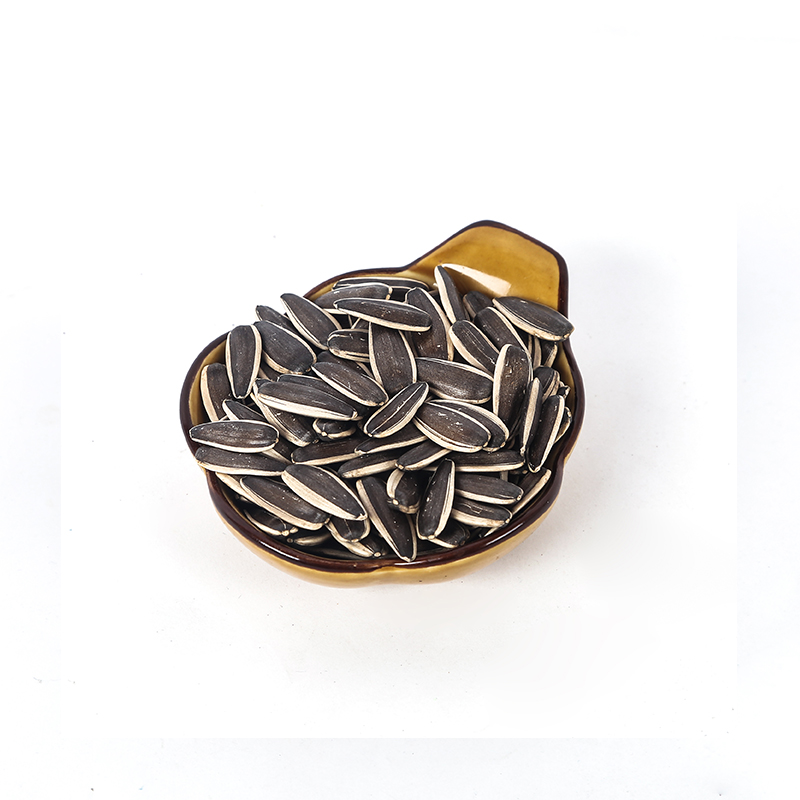
Sunflower seeds, a globally consumed snack and ingredient, represent a significant segment within the agricultural commodity market. The provision of sunflower seeds variety packs is a specialized niche requiring expertise in seed sourcing, processing, packaging, and quality control. This guide will detail the technical aspects of supplying sunflower seed variety packs, encompassing material science of the seed itself, manufacturing processes, performance characteristics impacting shelf life and consumer appeal, potential failure modes, and relevant industry standards. The increasing demand for healthy snacking options and diverse flavor profiles drives the need for sophisticated variety pack offerings, demanding stringent adherence to food safety regulations and optimized supply chain management. Core challenges for suppliers include maintaining seed viability across diverse varieties, preventing rancidity, ensuring consistent kernel size and quality within each pack, and meeting traceability requirements.
Material Science & Manufacturing
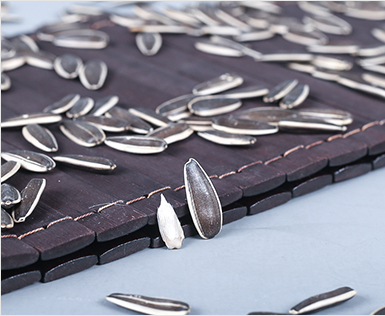
Sunflower seeds ( Helianthus annuus) are composed primarily of oil (42-58%), protein (18-25%), fiber (6-12%), and moisture (5-10%). The oil composition consists largely of linoleic acid (Omega-6) and oleic acid (Omega-9), impacting oxidative stability. Seed varieties differ significantly in oil content and fatty acid profiles, influencing flavor and shelf life. Hull composition is predominantly cellulose and lignin, contributing to structural integrity and providing a physical barrier. Manufacturing begins with seed selection based on oil content, kernel size, and intended end use (confectionary vs. oil production). Cleaning removes foreign materials (stalks, leaves, stones). Drying reduces moisture content to approximately 7-8% to inhibit microbial growth and enzymatic activity. Dehulling can be mechanical (impact or abrasive) or chemical (steaming followed by abrasion); the chosen method affects kernel damage and residual hull fragments. Grading separates seeds by size and density using screens and air separators. Seasoning involves applying dry or liquid flavorings, requiring precise control of adhesion and distribution. Packaging is critical, employing barrier films (see Section 3) to prevent oxygen and moisture ingress. Key parameters controlled during manufacturing include drying temperature (avoiding overheating, which degrades oil quality), dehulling pressure (minimizing kernel fracture), and seasoning application rate (ensuring uniform flavor coverage).
Performance & Engineering
The primary performance criteria for sunflower seed variety packs revolve around product quality retention over time. This is governed by several engineering principles. Oxygen Transmission Rate (OTR) through packaging materials is a critical factor; high OTR leads to lipid oxidation and rancidity, impacting flavor and aroma. Water Vapor Transmission Rate (WVTR) must be minimized to prevent seed moisture absorption, fostering microbial growth and textural changes. Mechanical strength of the packaging is essential to withstand shipping and handling stresses. Force analysis of packaging materials under compression and impact informs material selection. Seed kernel hardness is a key characteristic; brittle kernels are susceptible to cracking during processing and handling. Flavor encapsulation engineering is used to enhance flavor retention and prevent flavor migration between varieties in a multi-pack. Regulatory compliance (FDA, EFSA) dictates allowable levels of contaminants (aflatoxins, heavy metals) and packaging material constituents. Accelerated shelf-life testing (elevated temperature and humidity) is used to predict product stability under normal storage conditions. Compliance with GMP (Good Manufacturing Practices) and HACCP (Hazard Analysis and Critical Control Points) principles is mandatory.
Technical Specifications
| Seed Variety | Oil Content (%) | Moisture Content (%) | Kernel Hardness (N) |
|---|---|---|---|
| Black Oil Sunflower | 50-58 | 6-8 | 40-60 |
| Striped Sunflower | 42-50 | 7-9 | 30-50 |
| Confectionary Sunflower | 45-55 | 5-7 | 50-70 |
| Salted Flavor (NaCl %) | N/A | 6-8 | N/A |
| BBQ Flavor (Spice Level) | N/A | 6-8 | N/A |
| Packaging Film OTR (cc/m²/day) | N/A | <20 | N/A |
Failure Mode & Maintenance
Sunflower seed variety packs are susceptible to several failure modes. Rancidity, caused by lipid oxidation, is a primary concern, evidenced by off-flavors and odors. This is accelerated by exposure to oxygen, light, and elevated temperatures. Kernel cracking during processing or handling results in damaged seeds and reduced visual appeal. Microbial contamination (mold, yeast) can occur due to insufficient drying or packaging integrity breaches, leading to spoilage and potential health hazards. Hulling damage causes small, fragmented shell pieces to remain on the kernel resulting in decreased aesthetic value. Flavor loss or migration between varieties can occur due to inadequate flavor encapsulation or packaging barrier properties. Maintenance strategies include rigorous quality control at each manufacturing stage, proper storage of raw materials and finished products (cool, dry, dark environment), regular monitoring of moisture content and oil quality, and employing robust packaging materials with low OTR and WVTR. Implementing a First-In, First-Out (FIFO) inventory management system minimizes storage time. Periodic sensory evaluation (taste, aroma, appearance) identifies potential quality issues before distribution. Preventative maintenance of processing equipment reduces mechanical damage to kernels.
Industry FAQ
Q: What is the primary factor influencing the shelf life of sunflower seed variety packs?
A: The primary factor is the control of oxygen exposure. Lipid oxidation, driven by oxygen, is the main cause of rancidity and flavor degradation. High-barrier packaging materials with low Oxygen Transmission Rates (OTR) are crucial for extending shelf life.
Q: How does kernel hardness impact the manufacturing process?
A: Kernel hardness affects the susceptibility to cracking during dehulling, grading, and handling. Brittle kernels are more prone to damage, leading to lower product quality and increased waste. Optimized dehulling parameters and gentle handling procedures are required for harder kernel varieties.
Q: What are the key regulatory concerns regarding sunflower seed variety packs?
A: Key concerns include aflatoxin levels (a mycotoxin produced by fungi), heavy metal contamination, and compliance with packaging material regulations (migration of substances into food). Adherence to FDA (US) or EFSA (Europe) guidelines is mandatory.
Q: How can flavor migration between varieties in a multi-pack be prevented?
A: Flavor migration can be minimized through robust flavor encapsulation techniques, utilizing barrier layers within the packaging film, and careful selection of flavoring agents with low volatility. Proper sealing and a homogenous internal environment also help prevent migration.
Q: What drying methods are best suited for preserving oil quality in sunflower seeds?
A: Low-temperature, convective drying is preferred to minimize oil degradation. Avoiding excessive drying temperatures (above 60°C) is crucial to prevent oxidation and maintain desirable flavor characteristics. Fluidized bed drying offers efficient and uniform drying with minimal thermal damage.
Conclusion
The successful supply of sunflower seed variety packs hinges on a comprehensive understanding of the interplay between material science, manufacturing processes, and performance engineering. Maintaining seed viability, preventing rancidity, and ensuring consistent quality necessitate meticulous control over every stage, from seed selection and processing to packaging and storage. Implementing robust quality control measures, adhering to stringent regulatory standards, and employing advanced packaging technologies are vital for delivering a superior product.
Future advancements in this field will likely focus on developing novel packaging materials with enhanced barrier properties, optimizing flavor encapsulation techniques for improved retention, and employing data-driven analytics to predict and prevent quality issues. The integration of sustainable sourcing practices and eco-friendly packaging solutions will also become increasingly important, aligning with consumer demand for environmentally responsible products. Continued research into sunflower seed genetics will yield varieties with improved oil stability and flavor profiles.
