Introduction
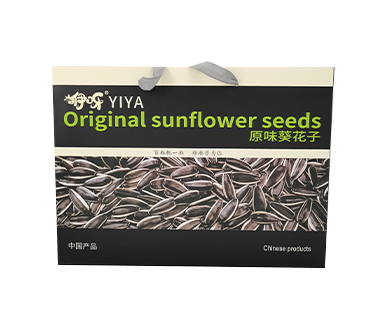
Sunflower seeds, Helianthus annuus, represent a significant agricultural commodity and snack food globally. Variety packs, encompassing different flavors and processing methods, cater to a broad consumer base. Technically, these packs represent a complex intersection of agronomy, food processing, packaging science, and quality control. Their position within the food supply chain is as a ready-to-eat snack, positioned between primary agricultural production and retail distribution. Core performance characteristics include seed maturity, oil content, kernel size, flavor profile, shell integrity, and shelf stability. A key industry pain point is maintaining consistent seed quality across diverse growing conditions and minimizing shell fragments during processing, which impacts consumer experience and potential for dental damage. Maintaining flavor integrity during extended shelf life, and addressing allergen concerns related to processing aids, are also critical challenges.
Material Science & Manufacturing
The primary raw material is, of course, the sunflower seed itself. The seed’s composition varies with cultivar, but generally consists of 20-40% oil, 20-30% protein, 15-25% carbohydrate (primarily cellulose in the hull), and 5-10% moisture. Oil content, particularly linoleic acid, is crucial for flavor and nutritional value. Manufacturing processes begin with harvesting, drying (typically to 8-10% moisture content to inhibit mold growth), and dehulling. Dehulling utilizes impact and friction mechanisms – often employing rotating abrasive surfaces. Kernel separation is achieved through screening based on size and density. Flavoring is applied via dry blending (powdered seasonings) or oil coating. Roasting, a common process, employs convection heating, with temperature and duration precisely controlled to optimize flavor development (Maillard reaction) and crispness without inducing rancidity. Control parameters include roasting temperature (typically 120-180°C), time (5-20 minutes), and air velocity. Packaging is crucial; materials typically include multi-layer films composed of polypropylene (PP), polyethylene (PE), and metallized polyester (PET) for barrier properties. These materials require strict quality control to avoid off-flavor transfer to the seeds. Moisture content monitoring throughout processing is critical, impacting texture and shelf life.
Performance & Engineering
Performance evaluation centers around several key areas. Firstly, shell strength and hulling efficiency are vital. Excessive shell fragments require additional cleaning and represent yield loss. Force analysis during dehulling reveals the energy required to fracture the shell – optimized equipment design minimizes this energy input. Environmental resistance is critical for packaging. Oxygen Transmission Rate (OTR) and Water Vapor Transmission Rate (WVTR) must be below specified thresholds to prevent oxidation of oils and maintain crispness. Barrier properties are engineered through the selection of appropriate film laminates. Compliance requirements include adherence to FDA regulations regarding food contact materials and labeling requirements (nutritional information, allergen declarations). Functional implementation of flavored coatings requires precise control of adhesion and distribution to ensure uniform flavor intensity. Seed moisture content influences textural properties; excessively dry seeds are brittle and prone to breakage, while overly moist seeds lose crispness. Packaging design must account for stackability and resistance to compression during transportation and storage.
Technical Specifications
| Parameter | Unit | Specification (Standard Variety) | Specification (Salted Variety) |
|---|---|---|---|
| Kernel Moisture Content | % | 6.0 - 8.0 | 6.0 - 8.0 |
| Oil Content (Dry Basis) | % | 48.0 - 54.0 | 48.0 - 54.0 |
| Kernel Size (Mean Diameter) | mm | 8.0 - 12.0 | 8.0 - 12.0 |
| Shelling Percentage | % | >85.0 | >85.0 |
| Salt Content | % | N/A | 1.5 - 2.5 |
| Peroxide Value (Oil) | meq O2/kg | <5.0 | <5.0 |
Failure Mode & Maintenance
Sunflower seeds are susceptible to several failure modes. Rancidity, caused by lipid oxidation, is a primary concern, leading to off-flavors and reduced nutritional value. This is accelerated by exposure to oxygen, light, and heat. Moisture absorption leads to loss of crispness and potential mold growth (e.g., Aspergillus flavus, producing aflatoxins). Physical damage during processing and handling results in kernel breakage and shell fragments. Packaging failure (seal integrity compromised) accelerates oxidation and moisture ingress. Maintenance of processing equipment (dehullers, roasters, packaging machines) is vital. Regular cleaning prevents build-up of seed residue, reducing contamination risk. Lubrication of moving parts minimizes friction and wear. Periodic inspection and replacement of worn components (screens, belts, bearings) prevent catastrophic failures. For packaged products, proper storage is critical – cool, dry conditions away from direct sunlight. Monitoring peroxide values and moisture content during storage provides early detection of degradation. Implementing a First-In, First-Out (FIFO) inventory system minimizes storage duration.
Industry FAQ
Q: What is the significance of the peroxide value in assessing sunflower seed quality?
A: The peroxide value measures the extent of lipid oxidation – the primary cause of rancidity. A higher peroxide value indicates greater oxidation and a lower quality product. It is a critical indicator of shelf life and freshness. Regulatory bodies often have maximum permissible limits for peroxide values in edible oils and seeds.
Q: How does the choice of packaging material impact the shelf life of sunflower seeds?
A: Packaging materials with low OTR and WVTR are crucial. Materials like metallized polyester (PET) combined with polyethylene (PE) provide an effective barrier against oxygen and moisture, slowing down oxidation and maintaining crispness. The seal integrity of the package is equally important.
Q: What are the primary challenges associated with large-scale sunflower seed dehulling?
A: Maintaining consistent shelling efficiency without causing excessive kernel damage is the main challenge. Seed size and moisture content variations significantly impact performance. Equipment calibration and precise control of impact and friction forces are essential.
Q: How do different roasting profiles affect the flavor and texture of sunflower seeds?
A: Lower roasting temperatures (e.g., 120-140°C) for longer durations promote Maillard reactions, enhancing flavor development but resulting in a less crisp texture. Higher temperatures (e.g., 160-180°C) for shorter durations create a crisper texture but may lead to less complex flavor profiles. Optimal roasting is a trade-off between flavor and texture.
Q: What quality control measures are necessary to minimize the presence of shell fragments in the final product?
A: Implementing efficient dehulling equipment, optimizing dehulling parameters, and employing effective screening and air classification systems are essential. Regular monitoring of shelling percentage and visual inspection of the final product are also crucial.
Conclusion
Sunflower seeds variety packs present a technically complex product reliant on a carefully orchestrated interplay between agricultural inputs, sophisticated processing techniques, and robust packaging solutions. Maintaining consistent seed quality, minimizing defects (shell fragments), and maximizing shelf life through control of oxidation and moisture are paramount concerns. Successful production hinges on precise parameter control throughout the entire supply chain, from harvesting to packaging.
Future trends will likely focus on enhanced packaging materials with improved barrier properties, innovative flavoring techniques, and the implementation of advanced sensor technologies for real-time quality monitoring. Addressing sustainability concerns through responsible sourcing and eco-friendly packaging options will also be increasingly important. Ultimately, a deep understanding of the material science and engineering principles governing sunflower seed processing is essential for delivering a high-quality, consistent product to the consumer.
