Introduction
Sunflower seeds, Helianthus annuus, represent a significant segment within the snack food industry. A variety pack consolidates diverse cultivars and processing methods – ranging from black oil sunflower (BOS) to confectionary varieties – into a single consumer offering. This product targets a broad demographic seeking nutritional snacking options. Technically, the quality of a sunflower seed variety pack is defined by seed maturity (moisture content), kernel percentage, oil content (for oil-type seeds), hull damage, and the absence of foreign material. Production necessitates stringent quality control at each stage, from agricultural harvesting to processing, packaging, and distribution, to maintain viability, flavor, and consumer appeal. The core performance criteria include consistent seed size within each variety, palatability, and adherence to food safety regulations. Key industry pain points include ensuring consistent kernel fill across different seed types, managing aflatoxin contamination risks, and minimizing hull fragmentation during processing and transit.
Material Science & Manufacturing
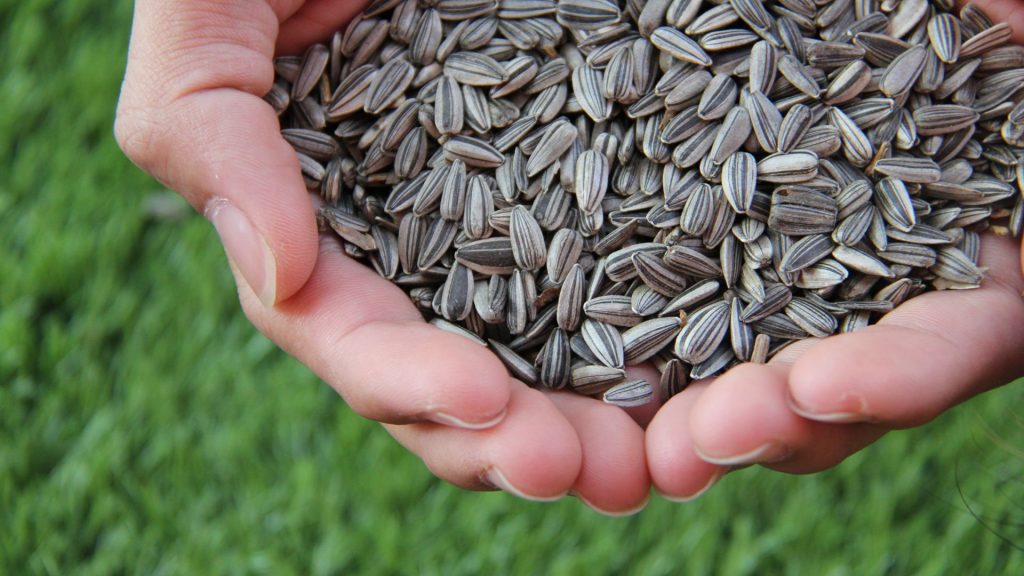
Sunflower seed composition is primarily determined by genetics and environmental factors during growth. The hull, or pericarp, comprises approximately 20-30% of the seed weight, composed largely of cellulose and lignin, providing a protective barrier. The kernel, representing 60-70% of the seed, is rich in lipids (35-55%), proteins (18-25%), and carbohydrates (15-20%). Oil content varies significantly between oil-type and confectionary varieties. Manufacturing begins with harvesting, typically employing combine harvesters equipped with specialized seed-saving headers. Drying is crucial to reduce moisture content to 8-10% to prevent fungal growth and preserve seed viability. This process often involves forced-air dryers with precise temperature and airflow control (typically 40-60°C). De-hulling, a key processing step, removes the outer hull, traditionally using impact or friction-based dehullers. Optimization involves balancing hull removal efficiency with minimizing kernel damage. Grading and sorting separate seeds based on size, shape, and color, typically utilizing screeners and optical sorters. Roasting, often employing continuous rotary roasters, enhances flavor and texture. Temperature control during roasting (typically 120-150°C) is paramount to avoid lipid oxidation and acrylamide formation. Finally, packaging in moisture-barrier films (e.g., metallized polyester or polypropylene) is essential to maintain freshness and prevent rancidity. Quality control parameters at each stage involve monitoring moisture content (using near-infrared spectroscopy), oil content (using solvent extraction), and kernel damage (visual inspection and image analysis).
Performance & Engineering
The structural integrity of the sunflower seed, both hull and kernel, is a critical performance factor. Hull strength influences its ability to withstand handling and processing forces. Kernel hardness, correlated with protein content, affects its resistance to cracking during dehulling and roasting. Force analysis during dehulling requires understanding the fracture mechanics of the hull – specifically, the force required to initiate and propagate cracks. Environmental resistance focuses on minimizing lipid oxidation, a primary cause of rancidity. This is mitigated through packaging with low oxygen permeability and the addition of antioxidants (e.g., Vitamin E). Exposure to moisture can promote fungal growth and aflatoxin contamination; therefore, maintaining low moisture content throughout the supply chain is critical. Regulatory compliance demands adherence to food safety standards such as those set by the FDA (USA) and EFSA (Europe). Aflatoxin levels must be rigorously monitored and controlled to remain below permissible limits. Furthermore, packaging materials must comply with regulations regarding food contact materials. The variety pack’s engineering considerations extend to efficient packaging design maximizing product density while minimizing void space, and ensuring appropriate labeling with nutritional information and allergen declarations.
Technical Specifications
| Seed Variety | Kernel Percentage (%) | Oil Content (%) | Moisture Content (%) |
|---|---|---|---|
| Black Oil Sunflower (BOS) | 58-62 | 42-48 | 8-10 |
| Confectionary Sunflower (Striped) | 55-60 | 38-45 | 8-10 |
| Confectionary Sunflower (White) | 56-61 | 40-46 | 8-10 |
| Salted Sunflower Seeds | 50-55 | 40-45 | 7-9 |
| Spicy Sunflower Seeds | 52-57 | 39-44 | 7-9 |
| Honey Roasted Sunflower Seeds | 48-53 | 41-46 | 7-9 |
Failure Mode & Maintenance
Sunflower seeds are susceptible to several failure modes. Rancidity arises from lipid oxidation, evidenced by off-flavors and odors. This is accelerated by exposure to oxygen, light, and elevated temperatures. Aflatoxin contamination represents a severe food safety hazard, caused by Aspergillus flavus and Aspergillus parasiticus fungi. This is prevalent in improperly dried and stored seeds. Hull cracking during processing can lead to increased fines and reduced product appearance. Kernel damage can reduce palatability and nutritional value. Moisture absorption after packaging leads to microbial growth and quality degradation. Maintenance strategies include stringent drying protocols to maintain low moisture content (<10%). Proper storage in cool, dry, and dark environments minimizes rancidity and aflatoxin formation. Employing effective dehulling techniques minimizes kernel damage. Utilizing moisture-barrier packaging extends shelf life. Regular aflatoxin testing using ELISA or HPLC methods is crucial. Implementing a robust traceability system allows for rapid identification and recall of contaminated lots. Routine inspection of packaging integrity prevents moisture ingress and maintains product quality. Best practice storage involves temperature controlled environments (<25°C) and relative humidity below 65%.
Industry FAQ
Q: What is the significance of the acid value in sunflower seed oil, and how does it relate to product quality?
A: The acid value quantifies the free fatty acids present in the oil. A higher acid value indicates greater hydrolysis of triglycerides, often resulting from prolonged storage or improper processing. Elevated acid values contribute to off-flavors (rancidity) and reduce the oil’s stability. Acceptable acid values typically range below 0.3 mg KOH/g. Monitoring the acid value is a critical quality control parameter.
Q: How do you control aflatoxin levels throughout the supply chain?
A: Aflatoxin control begins with sourcing seeds from reputable growers with established quality control programs. Rigorous pre-harvest monitoring for fungal infection is essential. Implementing proper drying protocols to reach <10% moisture content immediately after harvest is crucial. Maintaining sanitary processing facilities and employing effective cleaning procedures minimizes fungal contamination. Regular aflatoxin testing using ELISA or HPLC at multiple stages (raw material, semi-finished, finished product) is mandatory. Rejecting any lots exceeding permissible limits is non-negotiable.
Q: What are the key differences in processing requirements for oil-type versus confectionary sunflower seeds?
A: Oil-type seeds prioritize maximizing oil yield, thus dehulling efficiency is less critical, and some residual hull material is acceptable. Confectionary seeds require thorough dehulling to produce a visually appealing, edible kernel. Roasting profiles differ; confectionary seeds are often roasted for flavor development, while oil-type seeds may undergo minimal roasting or extraction. Kernel size and shape are more important for confectionary varieties.
Q: How does packaging material selection impact the shelf life of a sunflower seed variety pack?
A: Packaging material must provide an effective barrier against oxygen, moisture, and light. Metallized polyester or polypropylene films are commonly used. Oxygen permeability should be minimized to prevent lipid oxidation and rancidity. Moisture-barrier properties protect against microbial growth and maintain seed texture. The material must also be food-grade and compliant with relevant regulations regarding food contact materials.
Q: What analytical techniques are used to assess sunflower seed quality and consistency?
A: Key analytical techniques include moisture analysis (Karl Fischer titration or near-infrared spectroscopy), oil content determination (solvent extraction - hexane is common), protein content analysis (Kjeldahl method), kernel percentage assessment (visual sorting and gravimetric analysis), and aflatoxin testing (ELISA or HPLC). Particle size distribution analysis is also employed to evaluate the uniformity of dehulled kernels.
Conclusion
The quality and performance of a sunflower seed variety pack are dictated by a complex interplay of genetic factors, agricultural practices, and meticulous processing controls. Maintaining low moisture content, controlling aflatoxin contamination, and optimizing dehulling techniques are fundamental requirements. The selection of appropriate packaging materials is crucial for preserving freshness and extending shelf life. Consistent adherence to food safety regulations and rigorous quality control measures are essential for delivering a safe, palatable, and high-quality product to consumers.
Future advancements will likely focus on genetic breeding for increased oil content, improved kernel fill, and enhanced resistance to fungal contamination. Optimization of roasting processes to minimize acrylamide formation and maximize flavor development represents another area for innovation. Furthermore, the development of more sustainable packaging materials with improved barrier properties and reduced environmental impact is increasingly important. Continuous monitoring and refinement of quality control procedures will remain paramount in ensuring the consistent delivery of a premium sunflower seed variety pack.
