Introduction
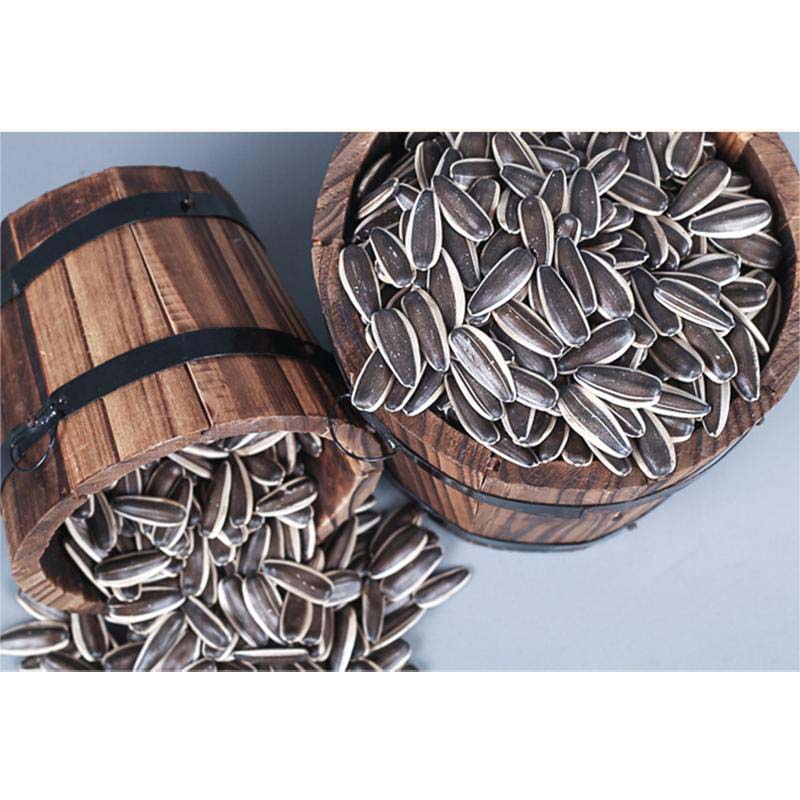
Sunflower seeds, Helianthus annuus, represent a significant segment of the snack food industry, experiencing consistent demand driven by perceived health benefits and convenience. The variety pack manufacturing sector focuses on delivering diverse flavor profiles and seed types within a single package, catering to evolving consumer preferences. This guide details the technical aspects of producing sunflower seed variety packs, encompassing material science, manufacturing processes, quality control, potential failure modes, and relevant industry standards. The core performance characteristics defining success within this market are seed quality (moisture content, oil content, kernel size), packaging integrity (barrier properties, seal strength), and flavor stability. Key industry pain points revolve around maintaining consistent seed quality across different sources, preventing rancidity due to lipid oxidation, and ensuring packaging adequately protects against moisture ingress and physical damage during distribution.
Material Science & Manufacturing
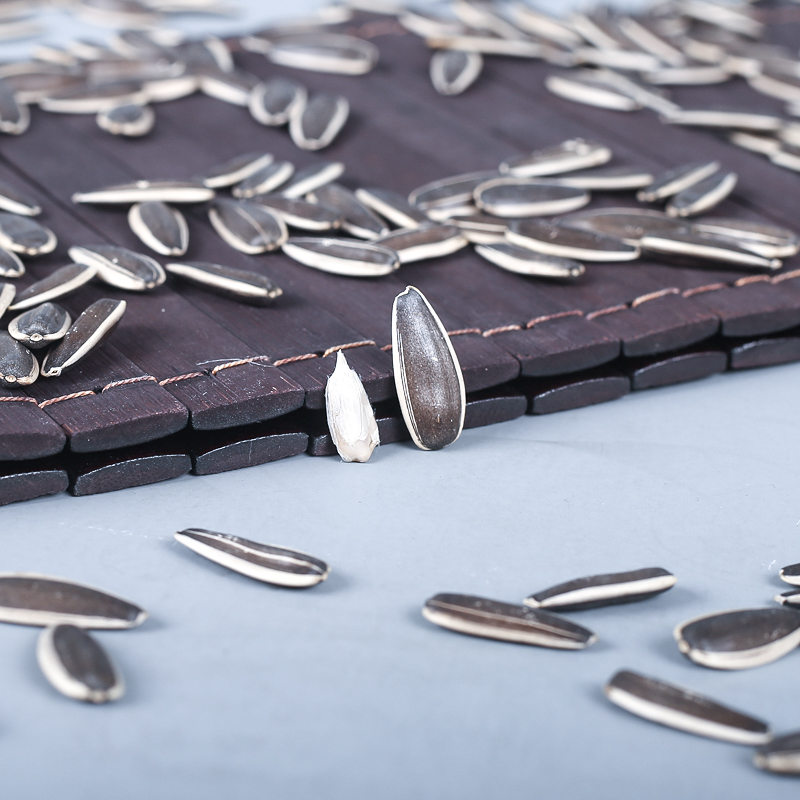
Sunflower seeds themselves are a complex biological matrix. The seed hull (pericarp) primarily consists of cellulose and lignin, providing structural integrity and protection. The kernel contains approximately 40-50% oil, predominantly linoleic acid (a polyunsaturated fatty acid), along with proteins (20-25%), carbohydrates, and micronutrients. Raw material sourcing is critical; seed quality varies based on cultivar, growing conditions (temperature, rainfall, soil composition), and harvesting practices. Moisture content at harvest directly impacts storage life and susceptibility to mold growth. Manufacturing involves cleaning (removing debris, chaff), grading (sorting by size and weight), dehulling (removing the hull – mechanical or chemical methods), roasting/flavoring (applying heat and seasonings), and finally, packaging. Roasting parameters (temperature, time, airflow) are paramount; insufficient roasting leads to a bland flavor and increased susceptibility to rancidity. Over-roasting results in burnt flavors and nutrient degradation. Flavor application methods include dry blending, oil coating, and extrusion. Packaging materials predominantly consist of multilayer films – typically a combination of polyethylene (PE), polypropylene (PP), polyethylene terephthalate (PET), and aluminum foil. These layers are selected to provide barrier properties against oxygen, moisture, and light, extending shelf life. Seal strength, achieved through heat sealing, is crucial to maintain package integrity.
Performance & Engineering
The engineering challenges in sunflower seed variety pack production center on maintaining product quality and extending shelf life. Oxygen Transmission Rate (OTR) through the packaging material is a key performance indicator; higher OTR leads to increased lipid oxidation and rancidity. Moisture Vapor Transmission Rate (MVTR) is equally important, as moisture absorption softens the seeds and promotes microbial growth. Package design must consider the stresses encountered during filling, sealing, handling, transportation, and storage. Force analysis during filling operations helps optimize hopper design and minimize seed damage. Drop tests are conducted to assess the package’s resistance to impact. The thermal stability of the flavored coatings must also be evaluated to ensure they don’t degrade or leach during storage. Compliance with food safety regulations (FDA in the US, EFSA in Europe) requires rigorous sanitation protocols and adherence to Good Manufacturing Practices (GMP). The choice of packaging material impacts recyclability and environmental sustainability, a growing concern for consumers. Vacuum or modified atmosphere packaging (MAP), utilizing nitrogen flushing, can significantly reduce oxygen levels and extend shelf life, but adds complexity and cost to the process. The impact of different seed varieties on processing parameters (dehulling efficiency, roasting uniformity) needs to be carefully considered during production scale-up.
Technical Specifications
| Parameter | Unit | Specification (Typical) | Testing Method |
|---|---|---|---|
| Seed Moisture Content | % | 8-10 | Oven Drying Method (e.g., AOAC 925.10) |
| Seed Oil Content | % | 40-50 | Soxhlet Extraction Method (e.g., AOAC 920.39) |
| Oxygen Transmission Rate (OTR) | cc/package/day | < 5 | ASTM D3985 |
| Moisture Vapor Transmission Rate (MVTR) | g/m²/day | < 3 | ASTM E96 |
| Package Seal Strength | N/mm | > 2 | ASTM F88 |
| Peroxide Value (Indicator of Rancidity) | meq O₂/kg | < 5 | AOCS Cd 8-53 |
Failure Mode & Maintenance
Common failure modes in sunflower seed variety packs include rancidity (lipid oxidation), moisture absorption leading to softening and microbial growth, package defects (seal failures, punctures), and physical damage to seeds during processing/handling. Rancidity is accelerated by exposure to oxygen, light, and elevated temperatures. Failure analysis reveals that insufficient barrier properties in the packaging film are a primary contributor. Moisture ingress can cause clumping, reduced crispness, and the development of mold. Seal failures result in loss of product and potential contamination. Preventative maintenance on processing equipment (dehullers, roasters, packaging machines) is crucial to minimize seed damage. Regular monitoring of seed moisture content and oil quality is essential. Packaging film should be inspected for defects before use. Storage conditions – temperature, humidity, and light exposure – must be controlled to maximize shelf life. Implementing a First-In, First-Out (FIFO) inventory management system minimizes the risk of product exceeding its shelf life. For packaging machinery, regular inspection of sealing jaws, temperature controllers, and film advance mechanisms is vital. Lubrication schedules must be followed to prevent mechanical failures. Root cause analysis of seal failures should include examination of sealing temperature, pressure, and dwell time.
Industry FAQ
Q: What is the optimal oxygen barrier material for extending shelf life of roasted and salted sunflower seeds?
A: A multi-layer film incorporating an aluminum foil layer provides the most effective oxygen barrier. However, aluminum foil can be difficult to recycle. Alternatives include high-barrier coatings on PET or PP films, or EVOH (ethylene vinyl alcohol) co-extruded films. The selection depends on cost considerations and recyclability goals. Testing OTR under specific storage conditions is critical to validate performance.
Q: How can we minimize seed breakage during the dehulling process?
A: Optimizing dehulling parameters – impact speed, clearance between dehulling surfaces, and feed rate – is crucial. Maintaining consistent seed moisture content also helps. Consider using a gentler dehulling method, such as abrasive dehulling, rather than impact dehulling, if breakage rates are high. Regular inspection and maintenance of dehulling equipment are essential.
Q: What are the key indicators of rancidity beyond peroxide value?
A: Sensory evaluation (taste and smell) is a primary indicator. Gas Chromatography-Mass Spectrometry (GC-MS) can identify specific volatile compounds produced during lipid oxidation. The p-anisidine value is another commonly used test. Monitoring color changes (darkening of the seeds) can also indicate rancidity.
Q: How does the type of flavoring impact the shelf life of the sunflower seeds?
A: Flavorings containing sugars or reducing agents can accelerate Maillard reactions, potentially leading to off-flavors and discoloration. Highly acidic flavorings can contribute to corrosion of packaging materials. Oil-based flavorings can increase lipid oxidation rates. Careful selection of flavorings and appropriate packaging are crucial.
Q: What quality control measures should be implemented to ensure consistent seed size and weight in variety packs?
A: Implement a robust grading system using sieves or optical sorters to separate seeds by size and weight. Regularly calibrate these machines. Monitor seed weight distribution during filling operations using checkweighers. Statistical Process Control (SPC) can identify trends and prevent deviations from target specifications.
Conclusion
The production of sunflower seed variety packs demands a comprehensive understanding of material science, processing engineering, and quality control. Maintaining seed integrity and extending shelf life are paramount, requiring careful selection of raw materials, optimized processing parameters, and high-performance packaging materials. Addressing industry pain points related to rancidity and moisture control necessitates a multi-faceted approach encompassing barrier technology, modified atmosphere packaging, and rigorous monitoring protocols.
Future trends in this sector will likely focus on sustainable packaging solutions, improved flavor delivery systems, and enhanced traceability throughout the supply chain. Investing in advanced analytical techniques for monitoring lipid oxidation and microbial growth will be crucial for maintaining product safety and quality. Collaboration between seed breeders, processors, and packaging manufacturers will be essential to develop innovative solutions that meet evolving consumer demands.
