Introduction
Sunflower seed variety pack factories represent a critical node in the agricultural processing and snack food industries. These facilities are responsible for the aggregation, processing, flavoring, packaging, and distribution of sunflower seeds, catering to a diverse consumer market seeking convenient and palatable snack options. The industry is driven by demand for healthy, plant-based snacks, requiring stringent quality control, advanced processing technologies, and efficient packaging solutions. The technical complexity lies not simply in seed handling, but in maintaining seed viability, optimizing flavor profiles, ensuring product safety, and meeting evolving packaging requirements for shelf-life extension and consumer appeal. Key performance indicators center around yield (seeds per weight), moisture content, oil content, defect rates (broken kernels, foreign material), and flavor consistency. This guide details the materials, processes, engineering considerations, failure modes, and standards governing these operations.
Material Science & Manufacturing
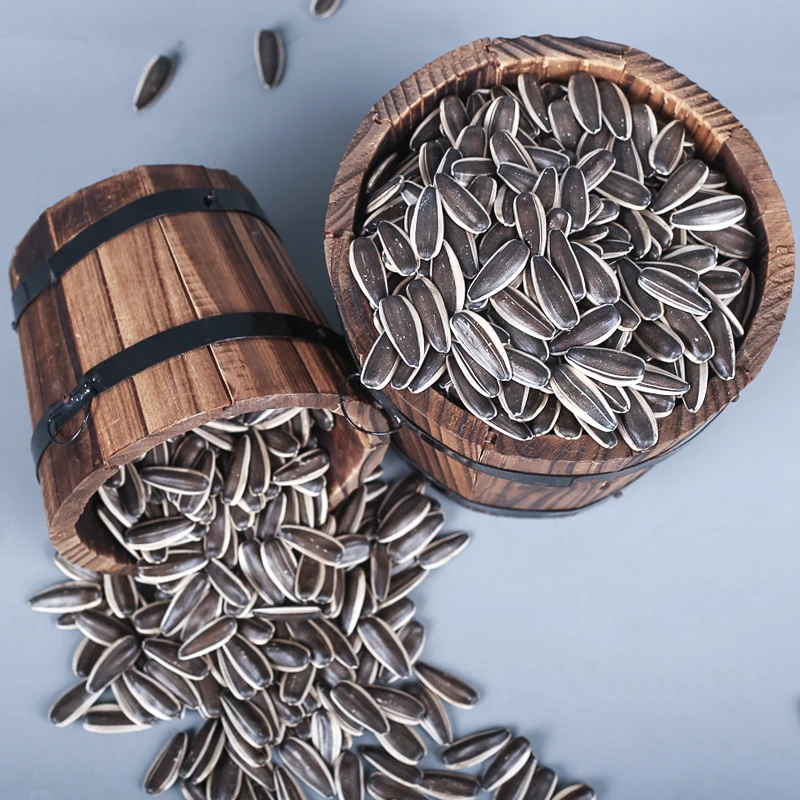
The primary raw material, sunflower seeds ( Helianthus annuus), exhibits significant variability in composition depending on the cultivar, growing conditions, and harvest timing. The seed consists of a hull (pericarp), kernel (cotyledon), and embryo. Kernel oil content typically ranges from 40-60%, comprising predominantly linoleic acid (a polyunsaturated omega-6 fatty acid). Proteins (around 20-25%) and carbohydrates (15-20%) are also significant constituents. Hull composition is primarily cellulose and lignin. Manufacturing processes begin with seed intake and cleaning, utilizing air separators, screens, and destoners to remove debris. De-hulling is typically achieved mechanically, employing rubber rolls or abrasive surfaces; maintaining hull integrity during this process is crucial to minimize kernel damage. Roasting, a critical step, utilizes hot air or oil-based systems at temperatures ranging from 250-350°F (121-177°C), inducing Maillard reactions responsible for flavor development. Flavoring is applied using tumbling drums or spray coating. Packaging materials consist of multilayer films, typically a combination of polyethylene (PE), polypropylene (PP), and polyethylene terephthalate (PET), chosen for their barrier properties (oxygen, moisture), tensile strength, and printability. Parameter control during roasting is vital, monitored by temperature sensors, humidity control, and residence time to prevent rancidity and maintain flavor consistency. Maintaining low water activity (<0.6) is essential for shelf-life stability, often achieved through proper roasting and moisture-barrier packaging.
Performance & Engineering
Engineering considerations center on maximizing throughput, minimizing product loss, and maintaining consistent quality. Force analysis is critical in de-hulling equipment, balancing the mechanical stress applied to seeds to achieve effective hull removal while minimizing kernel breakage. Roasting ovens require precise airflow management to ensure uniform heat distribution. Packaging lines necessitate careful control of film tension, sealing parameters (temperature, pressure, dwell time), and fill weights. Environmental resistance is a crucial factor, particularly concerning humidity and temperature control throughout the process. High humidity can lead to clumping and microbial growth, while temperature fluctuations can affect flavor and texture. Compliance requirements include adherence to food safety regulations (FDA, EFSA), packaging material regulations (migration limits for plasticizers and monomers), and labeling requirements (nutritional information, allergen declarations). Functional implementation requires robust process control systems, incorporating sensors, actuators, and programmable logic controllers (PLCs) for automated monitoring and adjustment of key parameters. Consideration must also be given to ergonomic design to minimize operator fatigue and prevent repetitive strain injuries.
Technical Specifications
| Parameter | Specification | Test Method | Tolerance |
|---|---|---|---|
| Kernel Oil Content | 48-58% (Dry Basis) | Soxhlet Extraction (AOCS Official Method) | +/- 2% |
| Moisture Content | ≤ 8% | Oven Drying (AACC Method) | +/- 0.5% |
| Foreign Material | ≤ 1% | Visual Inspection & Sorting | +/- 0.2% |
| Broken Kernels | ≤ 5% | Mechanical Sizing & Visual Inspection | +/- 1% |
| Hull Content | ≤ 2% | Differential Weighing | +/- 0.3% |
| Peroxide Value (Rancidity Indicator) | ≤ 5 meq O₂/kg | Titration (AOCS Official Method) | +/- 1 meq O₂/kg |
Failure Mode & Maintenance
Common failure modes in sunflower seed processing include: Fatigue Cracking in de-hulling rollers leading to reduced efficiency and increased kernel damage; Delamination of packaging films, compromising barrier properties and shelf-life; Degradation of flavorings due to improper storage conditions (light, oxygen, temperature); Oxidation of oils resulting in rancidity and off-flavors; Wear and Tear on conveyor belts and sorting equipment leading to downtime and product loss. Microbial Contamination can occur from improper sanitation or damaged packaging. Maintenance solutions involve regular inspection and replacement of wear parts (rollers, belts, screens); preventative maintenance schedules for roasting ovens and packaging machinery; implementation of a robust sanitation program utilizing food-grade sanitizers; and proper storage of raw materials and finished products in controlled environments. Predictive maintenance, utilizing vibration analysis and thermal imaging, can identify potential failures before they occur. Regular calibration of sensors and control systems is crucial for maintaining process accuracy and quality control. Effective preventative maintenance plans reduce downtime and ensure consistent product quality. Detailed root cause analysis should be conducted for any significant failure to prevent recurrence.
Industry FAQ
Q: What are the critical factors influencing sunflower seed oil stability during storage?
A: Several factors impact oil stability. High unsaturated fatty acid content makes sunflower oil susceptible to oxidation. Moisture content, temperature, exposure to light and oxygen, and the presence of trace metals all accelerate oxidation. Proper packaging with effective oxygen barriers, storage at cool temperatures, and the addition of antioxidants (e.g., vitamin E) are crucial for extending shelf life. Monitoring peroxide values regularly is essential to assess oil quality.
Q: How does hulling method affect kernel damage and subsequent oil extraction yield?
A: Abrasive hulling methods tend to result in higher kernel damage compared to rubber roll hullers. Damaged kernels release more free fatty acids and reduce oil extraction efficiency. While abrasive hulling may be faster, rubber roll hulling, with precise parameter control, generally yields higher-quality kernels and improved oil extraction rates. Maintaining optimal pressure and roll speed is key.
Q: What are the challenges associated with flavoring sunflower seeds uniformly?
A: Achieving uniform flavor distribution requires careful control of flavoring application parameters, including spray nozzle type, drum rotation speed, and flavoring concentration. Uneven coating can result in inconsistent taste profiles. Static charge buildup can also hinder uniform adherence. Conductive drums and anti-static agents can mitigate this issue.
Q: What packaging materials provide the best barrier properties for preserving sunflower seed freshness?
A: Multilayer films comprised of PET, PE, and PP offer excellent barrier properties against oxygen, moisture, and light. Metallized films further enhance barrier performance. The specific material selection depends on the desired shelf life and cost considerations. Testing permeability rates (OTR, WVTR) is essential to validate packaging performance.
Q: What are the regulatory requirements regarding aflatoxin levels in sunflower seeds?
A: Aflatoxins are potent mycotoxins produced by certain fungi. Regulatory bodies like the FDA (USA) and EFSA (Europe) establish maximum permissible levels of aflatoxins in food products, including sunflower seeds. Regular testing using ELISA or HPLC methods is mandatory to ensure compliance. Proper seed handling and storage practices are critical for minimizing aflatoxin contamination.
Conclusion
Sunflower seed variety pack manufacturing is a complex process requiring precise control over material properties, processing parameters, and packaging solutions. Maintaining seed quality, optimizing flavor development, and ensuring product safety are paramount concerns. A deep understanding of material science, engineering principles, and industry regulations is crucial for achieving efficient and reliable production.
Future advancements will likely focus on improved dehulling technologies, enhanced flavor encapsulation techniques, and sustainable packaging materials. The integration of data analytics and machine learning can optimize process control and reduce waste. Continuous monitoring of industry standards and evolving consumer preferences will be essential for maintaining a competitive edge in this dynamic market.
