Introduction
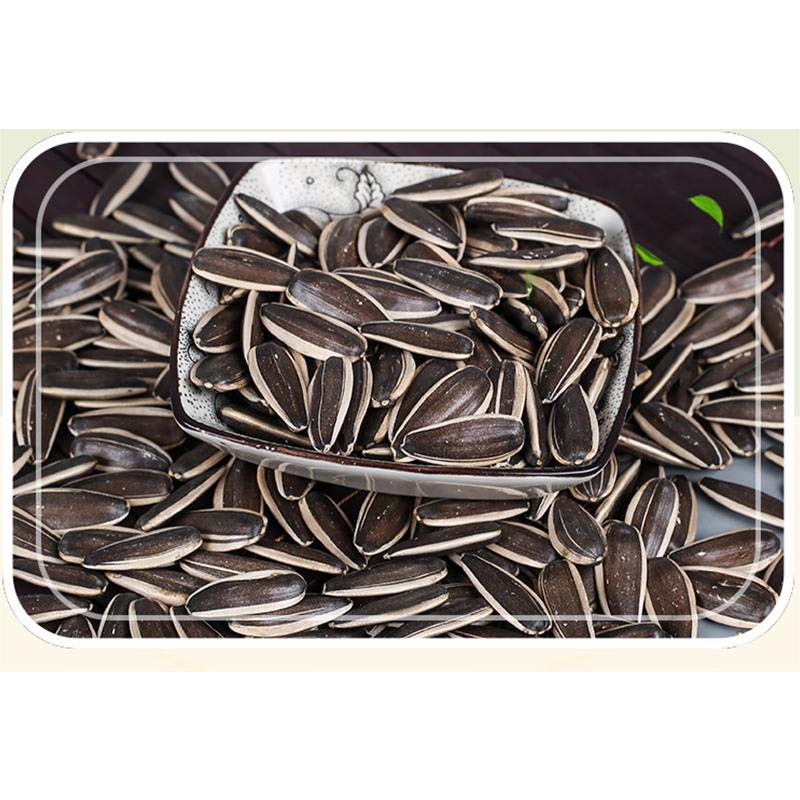
Sunflower seed variety pack factories represent a critical node in the agricultural processing and snack food supply chain. These facilities are responsible for the post-harvest handling, processing, and packaging of sunflower seeds into consumer-ready products, often encompassing a diverse range of flavors, coatings, and packaging formats within a single ‘variety pack.’ The industry faces increasing demands for food safety, traceability, and consistent product quality. Sunflower seeds, Helianthus annuus, are categorized by kernel size (oil-type, confectionary-type, and mid-oleic) influencing processing parameters. A key challenge lies in maintaining the integrity of the seed’s nutritional profile – particularly its oil content and vitamin E levels – throughout the various stages of manufacturing. This guide provides a comprehensive technical overview of the processes, materials, engineering considerations, and quality control measures employed in these factories, addressing core pain points related to seed degradation, packaging integrity, and regulatory compliance. The increasing consumer demand for healthy snacking options, coupled with stringent food safety regulations (FSMA), necessitates a deep understanding of the underlying science and engineering principles governing sunflower seed variety pack production.
Material Science & Manufacturing
The primary raw material, sunflower seeds, exhibit significant compositional variability. Oil content ranges from 30-50% depending on the variety, composed largely of linoleic acid (typically 60-70%) and oleic acid. Protein content averages 20-25%, with carbohydrates constituting approximately 15-20%. Moisture content upon arrival at the factory is crucial, generally ranging from 8-12%; deviations can impact processing efficiency and storage stability. Manufacturing begins with receiving and cleaning, utilizing air separation, screening, and destoning equipment to remove foreign materials. Dehulling is a critical step, often employing centrifugal dehullers; hulling efficiency impacts yield and seed damage. Kernel drying, typically using fluid bed dryers, reduces moisture content to 3-5% for extended shelf life and optimal roasting. Roasting, conducted in continuous or batch roasters, develops flavor and texture. Temperatures and residence times are tightly controlled to prevent lipid oxidation. Flavoring applications involve coating seeds with liquid or dry seasonings. Packaging materials commonly include multi-layer films composed of polypropylene (PP), polyethylene (PE), and metalized polyester (PET) for barrier properties. Sealants, often based on ethylene vinyl acetate (EVA) or polyolefin copolymers, ensure hermetic closure. Parameter control during roasting (temperature, humidity, airflow) and flavoring (coating weight, mixing uniformity) are paramount to achieving consistent product quality. Chemical compatibility between flavoring agents and packaging materials is assessed to prevent migration and off-flavor development.
Performance & Engineering
Performance metrics in sunflower seed variety pack production center around throughput, yield, and product quality. Force analysis during dehulling assesses shell fracture resistance and kernel damage rates. Environmental resistance is critical; elevated temperatures and humidity during storage accelerate lipid oxidation and moisture absorption. Packaging materials must exhibit high barrier properties against oxygen transmission rate (OTR) and water vapor transmission rate (WVTR) to maintain product freshness. Compliance requirements include adherence to Food Safety Modernization Act (FSMA) regulations, including Hazard Analysis and Critical Control Points (HACCP) plans. Engineering considerations encompass process automation, energy efficiency, and waste management. Roasting processes require precise temperature control and airflow management to minimize acrylamide formation, a potential carcinogen. Packaging lines necessitate robust sealing mechanisms to prevent contamination and maintain modified atmosphere packaging (MAP) integrity where applicable. Dust control systems are essential to mitigate explosion hazards associated with combustible seed dust. Finite Element Analysis (FEA) can be employed to optimize the design of dehulling equipment, minimizing seed breakage and maximizing kernel recovery. Thermal conductivity of packaging materials influences heat transfer during roasting and cooling, impacting product quality. The mechanical strength of packaging films is evaluated through tensile strength and elongation testing to ensure resistance to tearing and punctures during handling and transportation.
Technical Specifications
| Parameter | Unit | Typical Value (Confectionary Seed) | Acceptable Range |
|---|---|---|---|
| Moisture Content | % | 4.5 | 3.0 – 6.0 |
| Oil Content | % (Dry Basis) | 50 | 45 – 55 |
| Kernel Size (Diameter) | mm | 12-14 | 10-16 |
| Hull Damage (%) | % | 2 | <5 |
| Peroxide Value (Oil) | meq O2/kg | 3 | <5 |
| OTR (Packaging Film) | cc/m2/day | <10 | <20 |
Failure Mode & Maintenance
Sunflower seed variety pack products are susceptible to several failure modes. Lipid oxidation, leading to rancidity, is a primary concern, accelerated by oxygen, light, and elevated temperatures. Packaging film degradation, including punctures, tears, and loss of barrier properties, compromises product integrity. Maillard reaction products can develop during roasting, contributing to off-flavors and discoloration. Delamination of coatings can occur due to poor adhesion or incompatibility between coating ingredients and seed surface. Failure analysis often involves gas chromatography-mass spectrometry (GC-MS) to identify oxidation products and volatile compounds. Microbial contamination, though less common due to roasting, can result in spoilage and safety concerns. Preventive maintenance of processing equipment – including dehullers, dryers, and roasters – is crucial to minimize seed damage and maintain consistent product quality. Regular inspection of packaging seals and automated packaging machinery helps prevent leaks and contamination. Proper storage conditions (temperature <25°C, humidity <60%) are essential to extend shelf life. Routine cleaning and sanitation of all food contact surfaces are paramount to prevent microbial growth. Implementing a robust allergen control program is crucial, especially for variety packs containing multiple flavored coatings.
Industry FAQ
Q: What are the critical control points (CCPs) in a sunflower seed variety pack processing facility under HACCP guidelines?
A: The primary CCPs typically include: raw material receiving (assessment of seed quality and presence of foreign objects); dehulling (monitoring hull damage and kernel integrity); roasting (temperature and time control to ensure adequate pasteurization and minimize acrylamide formation); flavoring application (accurate coating weight and ingredient control); and packaging/sealing (ensuring hermetic seal and barrier properties). Verification procedures involve regular monitoring, record-keeping, and microbiological testing.
Q: How does the type of sunflower seed (oil-type vs. confectionary-type) impact the roasting process?
A: Confectionary-type seeds, with their larger kernel size and higher protein content, generally require lower roasting temperatures and shorter residence times to prevent burning and maintain a desirable texture. Oil-type seeds, with their higher oil content, may require slightly higher temperatures for efficient moisture removal and flavor development. Precise control of roasting parameters is crucial for both types.
Q: What packaging materials provide the best barrier properties against oxygen and moisture for extended shelf life?
A: Multi-layer films incorporating metalized polyester (PET) as a barrier layer, combined with polypropylene (PP) or polyethylene (PE) for structural integrity and sealability, offer the most effective protection. Vacuum packaging or modified atmosphere packaging (MAP) with nitrogen flushing can further extend shelf life by reducing oxygen levels.
Q: What are the key considerations for preventing lipid oxidation in sunflower seeds?
A: Minimizing exposure to oxygen, light, and heat is crucial. Using antioxidant additives (e.g., Vitamin E) in coatings, employing oxygen-barrier packaging, and storing products in cool, dark environments are effective strategies. Controlling roasting parameters to minimize initial oxidation product formation is also important.
Q: How can a factory ensure traceability of sunflower seeds from origin to finished product?
A: Implementing a robust lot tracking system is essential. This involves assigning unique lot numbers to incoming seed shipments, maintaining detailed records of all processing steps (dehulling, roasting, flavoring, packaging), and linking finished product batches to their originating seed lots. Blockchain technology is increasingly being explored to enhance traceability and transparency.
Conclusion
Sunflower seed variety pack manufacturing is a complex process demanding meticulous attention to detail across material science, engineering, and quality control. Maintaining seed integrity, optimizing processing parameters, and employing effective packaging strategies are critical for delivering a safe, high-quality product with an extended shelf life. Addressing the challenges of lipid oxidation, packaging degradation, and regulatory compliance requires a proactive and data-driven approach.
Future trends in the industry will likely focus on sustainable packaging solutions, advanced process automation, and the development of novel flavoring technologies. Continued research into optimizing roasting parameters to minimize acrylamide formation and enhance antioxidant activity will also be essential. By embracing innovation and prioritizing scientific rigor, sunflower seed variety pack factories can ensure their long-term success in a competitive market.
