Introduction
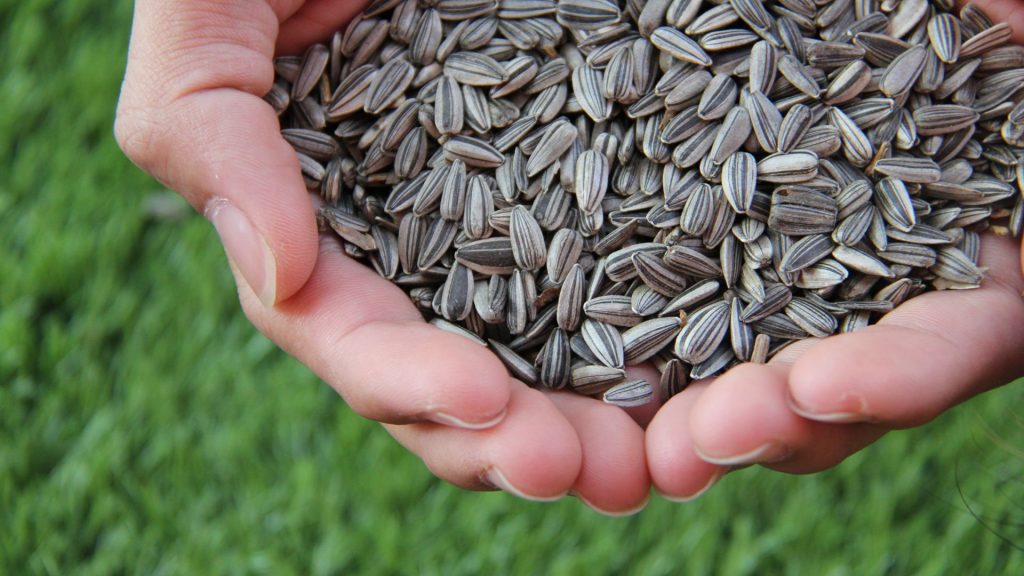
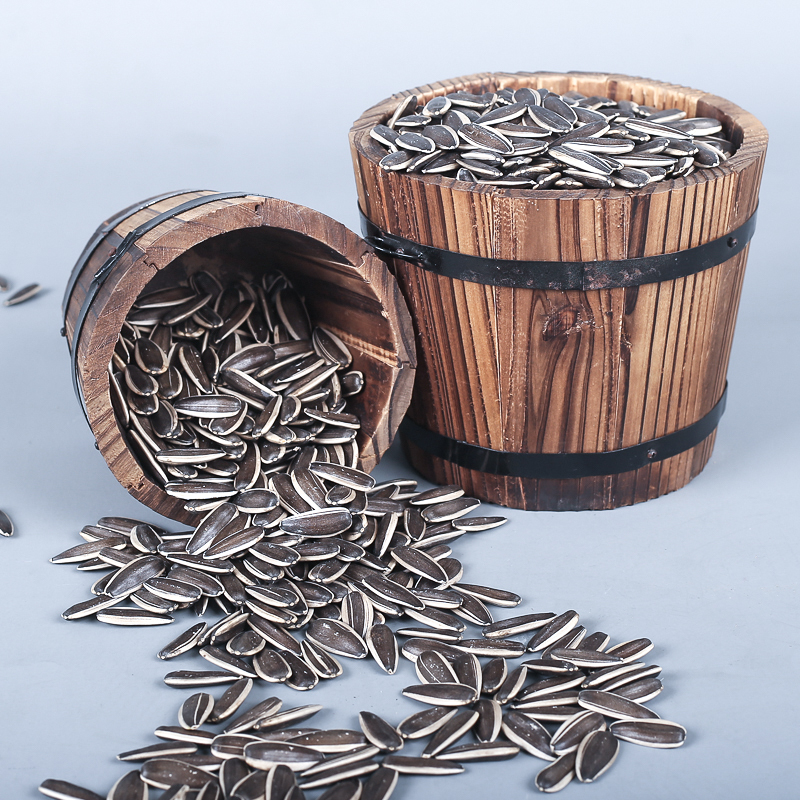
Sunflower seeds, a globally consumed snack and agricultural product, require specialized handling and packaging for international export. A ‘sunflower seeds variety pack’ denotes a composite offering featuring differing seed types – typically based on hulling (in-shell vs. hulled), variety (e.g., confection, oilseed), and seasoning – consolidated into a single export unit. These packs address diverse consumer preferences, necessitating stringent quality control throughout the supply chain. This guide addresses the technical considerations for exporters of sunflower seeds variety packs, focusing on material science, manufacturing processes impacting shelf life and safety, performance characteristics relating to transportation and storage, potential failure modes, and relevant international standards. Core performance metrics include seed moisture content, oil content stability, absence of aflatoxins and other mycotoxins, and maintenance of visual appeal. The industry faces significant challenges in maintaining seed integrity, preventing rancidity, and meeting increasingly strict import regulations regarding pesticide residues and packaging materials.
Material Science & Manufacturing
Sunflower seeds themselves are complex biological matrices. The seed coat (pericarp) is primarily composed of cellulose and lignin, providing a physical barrier but susceptible to cracking and permeability changes with fluctuating humidity. The kernel comprises approximately 30-50% oil (primarily linoleic acid), 20-30% protein, and 10-20% carbohydrates. Oil quality is paramount; oxidation of unsaturated fatty acids leads to rancidity, affecting flavor and nutritional value. The manufacturing process begins with seed selection and cleaning, critical for removing foreign matter and damaged seeds. Drying is essential, typically employing forced-air systems to reduce moisture content to 8-10% for in-shell seeds and 6-8% for hulled seeds, inhibiting microbial growth. Hulling, if applicable, requires careful calibration to minimize kernel damage. Seasoning applications involve precise control of ingredient ratios and adherence to food safety standards. Packaging materials are crucial. Typical materials include multilayer films consisting of polyethylene (PE), polypropylene (PP), and ethylene-vinyl alcohol (EVOH) to provide barrier properties against oxygen, moisture, and light. Sealing integrity is paramount; heat sealing parameters (temperature, pressure, dwell time) must be optimized for the specific film composition to prevent leaks and maintain modified atmosphere packaging (MAP) effectiveness. Parameter control in all processes is achieved using sensors (moisture, temperature), automated sorting equipment, and statistical process control (SPC).
Performance & Engineering
The performance of sunflower seeds variety packs is dictated by several engineering factors. Impact resistance is crucial during transportation and handling; the packaging must protect the seeds from crushing and kernel breakage. This involves material selection based on Izod impact strength and drop-test performance. Barrier properties, specifically Oxygen Transmission Rate (OTR) and Water Vapor Transmission Rate (WVTR), are critical for maintaining product quality. EVOH layers within the packaging film are engineered to minimize OTR, preventing oxidative rancidity. WVTR control prevents moisture absorption, which can lead to microbial growth and textural changes. Force analysis of the packaging stack during palletizing and shipping considers compressive strength and load distribution. Environmental resistance focuses on temperature stability; seeds should maintain quality within a defined temperature range (typically 15-25°C). Compliance requirements include adherence to food safety regulations (e.g., FDA, EFSA), packaging material regulations (e.g., REACH, RoHS), and import/export documentation requirements. Functional implementation of MAP involves purging the package with nitrogen to reduce oxygen levels, further inhibiting oxidation and microbial growth. The efficacy of MAP is monitored through gas composition analysis within the package.
Technical Specifications
| Parameter | Unit | In-Shell Seeds | Hulled Seeds |
|---|---|---|---|
| Moisture Content | % | 8-10 | 6-8 |
| Oil Content | % | 35-55 | 50-60 |
| Aflatoxin Level (B1) | ppb | <2 | <2 |
| Peroxide Value (PV) | meq O2/kg | <5 | <5 |
| Oxygen Transmission Rate (OTR) | cc/m²/day | <10 | <10 |
| Water Vapor Transmission Rate (WVTR) | g/m²/day | <3 | <3 |
Failure Mode & Maintenance
Common failure modes for sunflower seeds variety packs include rancidity (caused by lipid oxidation), microbial spoilage (due to moisture absorption or compromised packaging), physical damage (kernel breakage during handling), and packaging failure (leaks, seal defects). Rancidity manifests as off-flavors and odors, rendering the product unacceptable. Microbial spoilage, specifically mold growth, poses a health hazard due to mycotoxin production. Kernel breakage reduces visual appeal and can contribute to increased oil oxidation. Packaging failures allow oxygen and moisture ingress, accelerating degradation. Maintenance solutions focus on preventative measures. Maintaining optimal storage conditions (cool, dry, dark) is paramount. Regular monitoring of temperature and humidity within storage facilities is crucial. Implementing a robust quality control program, including periodic testing for moisture content, oil quality (PV, FFA), and mycotoxin levels, is essential. Packaging materials should be inspected for defects before use. First-in, first-out (FIFO) inventory management minimizes storage time. For damaged packaging, immediate repackaging into compliant materials is required. Addressing potential contamination sources (pests, foreign matter) through effective sanitation practices is critical.
Industry FAQ
Q: What is the significance of the 'headspace' in modified atmosphere packaging (MAP) for sunflower seeds?
A: Headspace refers to the volume of gas within the package after sealing. In MAP, the headspace composition (typically nitrogen or a nitrogen/carbon dioxide mix) is precisely controlled to displace oxygen. Insufficient headspace can lead to inadequate gas barrier performance, while excessive headspace reduces packaging efficiency. The optimal headspace is determined based on seed volume, packaging material permeability, and desired shelf life, and is rigorously tested during packaging validation.
Q: How do different packaging film structures affect the shelf life of hulled sunflower seeds compared to in-shell seeds?
A: Hulled seeds are more susceptible to rancidity due to their greater exposed surface area. Therefore, packaging for hulled seeds requires superior barrier properties (lower OTR) compared to in-shell seeds. Multi-layer films incorporating EVOH are essential for hulled seeds, while a simpler film structure may suffice for in-shell seeds. Film thickness also plays a role; thicker films generally provide better barrier protection.
Q: What are the key considerations when selecting a sealant for sunflower seed packaging?
A: The sealant must provide a hermetic seal, preventing oxygen and moisture ingress. Compatibility with the film layers is crucial to ensure strong adhesion. Seal strength must withstand handling and transportation stresses. The sealant must also comply with food contact regulations (e.g., FDA, EFSA). Hot tack strength (the ability to form a seal immediately after heating) is a critical parameter for high-speed packaging lines.
Q: How does temperature fluctuation during transit impact the quality of sunflower seed variety packs?
A: Temperature fluctuations accelerate oxidation and microbial growth. High temperatures increase the rate of lipid oxidation, leading to rancidity. Temperature cycling can also cause condensation within the package, increasing moisture content and promoting microbial spoilage. Temperature-controlled transportation and storage are essential to minimize these effects. Data loggers can be used to monitor temperature during transit.
Q: What testing protocols are used to verify the barrier properties of sunflower seed packaging films?
A: Oxygen Transmission Rate (OTR) and Water Vapor Transmission Rate (WVTR) are typically measured using standardized test methods (e.g., ASTM D3985, ASTM E96). These tests involve exposing the film to controlled temperature and humidity conditions and measuring the rate at which oxygen or water vapor permeates through the material. Seal strength is evaluated using tensile testing (ASTM F88).
Conclusion
Successfully exporting sunflower seeds variety packs hinges on a comprehensive understanding of material science, manufacturing controls, and performance engineering principles. Maintaining seed quality requires meticulous attention to moisture control, oil stability, and packaging integrity. Adherence to stringent food safety regulations and import/export requirements is non-negotiable.
Future trends will likely focus on sustainable packaging solutions (e.g., bio-based films, recyclable materials) and advanced packaging technologies (e.g., active packaging, intelligent packaging) to further enhance shelf life and reduce environmental impact. Continuous monitoring and optimization of the entire supply chain will be critical for exporters to remain competitive in the global market.
