Introduction
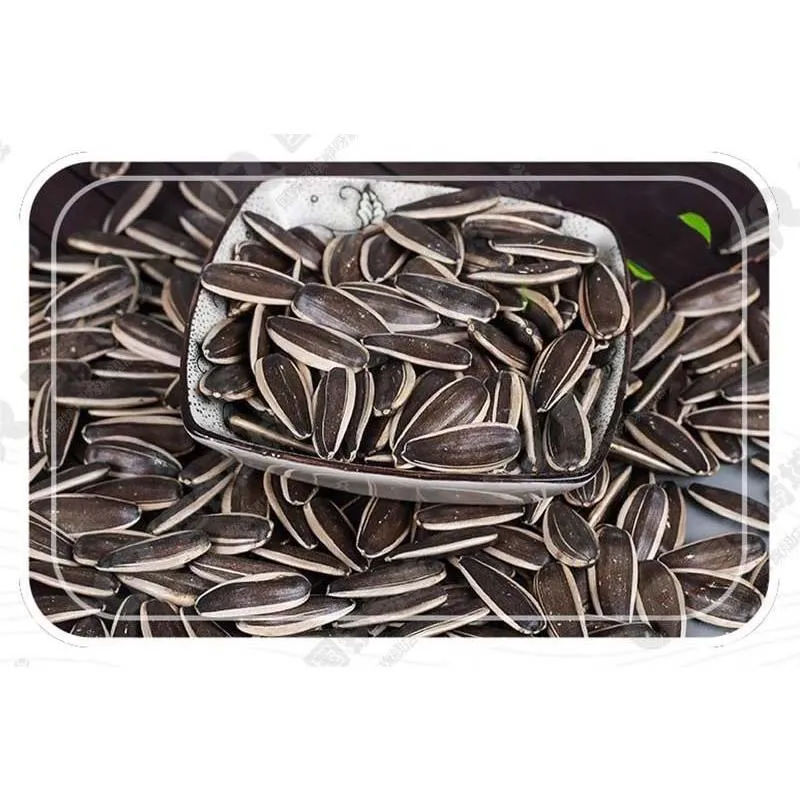
Sunflower seeds, a globally consumed snack and agricultural commodity, are increasingly traded in variety packs to cater to diverse consumer preferences and market demands. This technical guide addresses the complexities of exporting sunflower seed variety packs, focusing on quality control, packaging integrity, regulatory compliance, and shelf-life considerations. The industry chain begins with sunflower cultivation, progressing through harvesting, drying, dehulling, grading, seasoning (if applicable), packaging, and finally, international export. Core performance characteristics crucial to export success include seed viability, oil content, moisture levels, absence of contaminants (aflatoxins, pesticides), and the maintenance of these attributes throughout the supply chain. A key pain point for exporters lies in maintaining consistent quality across diverse seed varieties and ensuring compliance with varying import regulations across different jurisdictions. This guide details critical aspects of the process, targeting procurement managers and engineers involved in the export of sunflower seed variety packs.
Material Science & Manufacturing
Sunflower seeds are primarily composed of lipids (40-50% oil), proteins (20-25%), carbohydrates (15-20%), and fiber (5-10%). The specific composition varies significantly between varieties (oilseed vs. confectionery), influencing oil quality, taste, and shelf-life. The seed hull (pericarp) is composed of cellulose and lignin, providing a physical barrier against moisture and oxygen. Dehulling, a common pre-export processing step, removes the hull, impacting moisture absorption rates and requiring more robust packaging. Manufacturing processes relevant to variety packs include seed blending, seasoning (salt, flavorings), roasting (affecting oil oxidation rates), and packaging. Roasting temperature and time are critical parameters impacting flavor development and acrylamide formation. Moisture content control during drying is paramount, typically targeted between 8-10% to inhibit microbial growth and maintain seed viability. Aflatoxin contamination, produced by Aspergillus fungi, is a significant safety concern and requires stringent quality control measures throughout the supply chain. Packaging materials, discussed further in Performance & Engineering, must be chemically compatible with seed oils and flavorings to prevent leaching or degradation.
Performance & Engineering
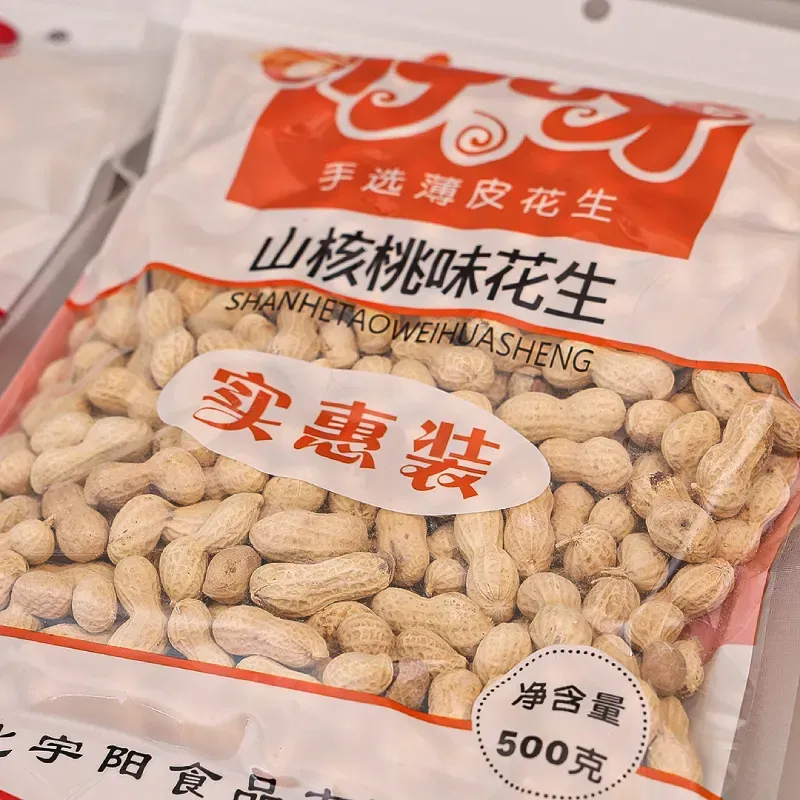
Package design is crucial for maintaining product quality during transit and storage. Force analysis considerations include compression strength of the packaging material to withstand stacking during transport, and impact resistance to prevent seed breakage. Barrier properties (oxygen transmission rate – OTR, water vapor transmission rate – WVTR) are critical for preventing rancidity (oil oxidation) and maintaining moisture levels. Multi-layer films, often incorporating aluminum foil or metallized polyester, provide superior barrier protection. Environmental resistance is a key concern; exposure to temperature fluctuations during shipping can induce condensation, promoting microbial growth and seed deterioration. Packaging materials must also be resistant to UV degradation, which can accelerate oil oxidation. Compliance requirements vary by importing country, often involving food-grade material certifications and labeling regulations. Seal integrity is essential; weak seals can compromise barrier properties and lead to product contamination. Accelerated shelf-life testing, simulating long-term storage conditions, is crucial for validating packaging performance and predicting product quality over time. The mechanical properties of the packaging film (tensile strength, elongation at break) directly influence its ability to withstand handling stresses.
Technical Specifications
| Seed Variety | Oil Content (%) | Moisture Content (%) | Aflatoxin Level (ppb) |
|---|---|---|---|
| Black Oil Sunflower | >50 | <8.5 | <4 |
| Confectionery Sunflower | 40-45 | <9.0 | <2 |
| Striped Sunflower | 45-50 | <8.0 | <5 |
| High Oleic Sunflower | >70 | <7.5 | <3 |
| Packaging Film - OTR | <10 cm³/m²/day | N/A | N/A |
| Packaging Film - WVTR | <3 g/m²/day | N/A | N/A |
Failure Mode & Maintenance
Sunflower seed variety packs are susceptible to several failure modes. Rancidity, caused by lipid oxidation, is a primary concern, leading to off-flavors and reduced nutritional value. This is exacerbated by exposure to oxygen, light, and elevated temperatures. Moisture absorption can lead to microbial growth (molds, yeasts), resulting in spoilage and potential toxin production. Physical damage (seed breakage) during handling and transport can reduce product appearance and increase susceptibility to oxidation. Delamination of packaging films can compromise barrier properties. Aflatoxin contamination, while typically addressed during pre-export processing, can occur during storage if moisture levels are not adequately controlled. Maintenance involves implementing a robust quality control system, including regular monitoring of moisture content, aflatoxin levels, and oil quality. Proper storage conditions (cool, dry, dark) are essential. Packaging should be regularly inspected for seal integrity and damage. First-in, first-out (FIFO) inventory management minimizes storage time and reduces the risk of deterioration. Implementing a Hazard Analysis and Critical Control Points (HACCP) plan is crucial for identifying and mitigating potential hazards throughout the supply chain.
Industry FAQ
Q: What are the critical factors affecting aflatoxin levels in sunflower seeds during export?
A: Aflatoxin contamination is heavily influenced by pre-harvest conditions (drought stress increases susceptibility), proper drying techniques, and storage conditions. Maintaining moisture content below 8.5% and ensuring adequate ventilation are critical. Regular testing for aflatoxins throughout the processing and storage stages is essential, and adherence to maximum permissible levels established by importing countries is mandatory.
Q: How does the choice of packaging material impact the shelf life of sunflower seed variety packs?
A: Packaging materials directly influence oxygen and moisture permeation, which are primary drivers of rancidity and spoilage. Multi-layer films with high barrier properties (e.g., aluminum foil, metallized polyester) are recommended. The packaging material must also be chemically inert and compatible with the seed oils and any flavorings used. Proper sealing is crucial to maintain barrier integrity.
Q: What is the significance of oil content in determining sunflower seed quality for export?
A: Oil content is a key indicator of economic value and influences processing characteristics. Higher oil content typically commands a premium price. However, oil composition (oleic acid vs. linoleic acid) also matters, with high-oleic varieties being more stable and resistant to oxidation. Oil content is routinely tested to meet export standards and customer specifications.
Q: What regulatory compliance standards are most critical for exporting sunflower seed variety packs to the EU?
A: The EU has stringent regulations regarding pesticide residues, heavy metals, and aflatoxins. Compliance with Regulation (EC) No 1881/2006 (maximum levels for contaminants in food) and relevant pesticide Maximum Residue Levels (MRLs) is essential. Traceability requirements are also stringent, requiring complete documentation of the supply chain.
Q: How can we minimize physical damage to sunflower seeds during export packaging and handling?
A: Using appropriately sized packaging to minimize void space, employing cushioning materials, and ensuring proper palletization are crucial. Packaging should be designed to withstand the stresses of transport (compression, vibration, impact). Training personnel in proper handling techniques is also important. Robust packaging materials with high tensile strength are preferred.
Conclusion
The successful export of sunflower seed variety packs necessitates a comprehensive understanding of material science, manufacturing processes, and stringent quality control measures. Maintaining optimal moisture content, preventing aflatoxin contamination, and selecting appropriate packaging materials with superior barrier properties are paramount to preserving product quality and extending shelf life. Adherence to international standards and import regulations is non-negotiable.
Future trends in sunflower seed export will likely focus on sustainable packaging solutions, optimized supply chain traceability using blockchain technology, and the development of innovative preservation techniques to further enhance product shelf-life. Investing in robust quality control systems and continuous improvement initiatives will be critical for exporters to remain competitive in the global market.
