Introduction
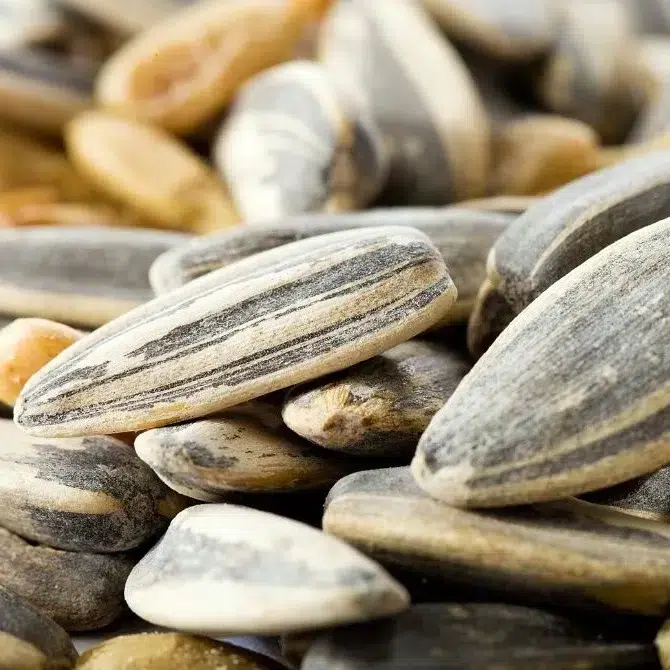
Sunflower seeds, Helianthus annuus, represent a significant commodity within the global agricultural market, categorized primarily by oil content and confectionary suitability. Suppliers of sunflower seed varieties cater to diverse industrial applications including edible oil production, snack food manufacturing, birdseed, and increasingly, biofuel feedstock. The industry is characterized by ongoing breeding programs focused on enhancing yield, disease resistance (specifically Sclerotinia sclerotiorum and Orobanche cumana), and tailoring fatty acid profiles to meet specific processing requirements. Technical performance is assessed via oil yield percentage, kernel size consistency, hulling percentage, and the levels of key components like linoleic and oleic acids. This guide details the material science, manufacturing considerations, performance parameters, and failure modes relevant to sunflower seed varieties, crucial for informed procurement and quality control within B2B supply chains. A core industry pain point is maintaining genetic purity and consistent agronomic performance across large-scale cultivation areas, necessitating rigorous seed quality assurance programs and traceable sourcing.
Material Science & Manufacturing
Sunflower seeds are a complex biological matrix, primarily composed of lipids (35-55% by weight), proteins (18-25%), carbohydrates (15-20%), and fiber (around 5%). The lipid fraction is dominated by triglycerides, with varying proportions of saturated, monounsaturated (oleic acid), and polyunsaturated (linoleic acid) fatty acids. The seed coat (hull or pericarp) is comprised of cellulose, hemicellulose, and lignin, providing physical protection. Manufacturing processes begin with plant breeding and seed selection, prioritizing traits like high oleic or high linoleic acid content. Seed production involves controlled pollination, harvesting, drying (to ~8-10% moisture content to inhibit enzymatic activity and mold growth), dehulling (mechanical removal of the seed coat), and grading based on size and quality. Key parameter control during drying is critical; temperatures exceeding 45°C can denature proteins and degrade oil quality. Dehulling efficiency is impacted by seed moisture content and the impact force applied. The chemical compatibility of the seed and its components is paramount for oil extraction. The presence of phospholipids and free fatty acids can impact refining processes and oil stability, necessitating proper seed storage and handling to minimize hydrolysis and oxidation. Genetic modifications, when present, require stringent regulatory compliance documentation and traceability.
Performance & Engineering
The performance of sunflower seeds is largely dictated by their oil yield and quality, measured through solvent extraction (typically hexane) followed by refining, bleaching, and deodorizing (RBD) processes. Force analysis during dehulling focuses on optimizing impact energy to maximize kernel recovery while minimizing damage. Environmental resistance is crucial; seeds must withstand temperature fluctuations during storage, humidity variations during transport, and potential microbial contamination. Compliance requirements vary by region. In the EU, Regulation (EC) No 1830/2003 governs genetically modified seeds. In the US, the USDA regulates seed quality and labeling. Functional implementation centers on tailoring seed varieties to specific end-uses. High-oleic sunflower seeds are preferred for frying oils due to their oxidative stability. High-linoleic seeds are used in paints and varnishes. Kernel hardness is an important engineering property affecting milling efficiency. The moisture content of the seeds must be carefully controlled throughout the supply chain to prevent mycotoxin formation (aflatoxins, ochratoxins) which is a major safety concern. Particle size distribution of ground seed material is critical for efficient oil extraction and protein recovery.
Technical Specifications
| Variety | Oil Content (%) | Oleic Acid (%) | Linoleic Acid (%) | Kernel Hardness (Shore D) | Hull Percentage (%) |
|---|---|---|---|---|---|
| Peredovik | 48-52 | 15-25 | 55-65 | 70-80 | 20-25 |
| Record | 46-50 | 60-70 | 10-20 | 80-90 | 18-23 |
| Suntar | 49-53 | 30-40 | 45-55 | 75-85 | 22-27 |
| Hispano | 44-48 | 12-22 | 60-70 | 65-75 | 25-30 |
| Romsun | 47-51 | 65-75 | 8-18 | 85-95 | 17-22 |
| Sunrise | 50-54 | 20-30 | 50-60 | 72-82 | 23-28 |
Failure Mode & Maintenance
Sunflower seeds are susceptible to several failure modes. Fatigue cracking of the seed coat can occur during handling and transportation, leading to oil leakage and reduced germination rates. Delamination between the kernel and the seed coat reduces oil yield. Degradation of lipids through oxidation (rancidity) is a major concern during storage, influenced by temperature, humidity, and exposure to light. Oxidation is accelerated by the presence of metal ions. Mycotoxin contamination (aflatoxins, ochratoxins) poses a significant health risk, often caused by improper drying or storage. Maintenance strategies include rigorous quality control at each stage of the supply chain, including moisture content monitoring, visual inspection for damage, and regular testing for mycotoxins. Proper storage conditions (cool, dry, dark) are essential to minimize lipid oxidation. Seed treatments with fungicides can help prevent mold growth. Implementing a first-in, first-out (FIFO) inventory management system minimizes storage duration. Regular cleaning of storage facilities reduces the risk of contamination. Seed viability testing ensures germination rates meet specified standards.
Industry FAQ
Q: What is the primary difference between high-oleic and high-linoleic sunflower seed varieties from a processing perspective?
A: High-oleic varieties require less refining due to their inherent oxidative stability, reducing bleaching and deodorizing costs. High-linoleic varieties necessitate more extensive refining to remove undesirable flavors and odors, and are more prone to polymerization during frying. The choice depends on the intended application of the oil.
Q: How does seed moisture content impact oil yield and quality?
A: Optimal moisture content (8-10%) minimizes enzymatic activity that degrades oil quality. Higher moisture levels promote mold growth and mycotoxin production. Lower moisture levels can lead to seed coat cracking during dehulling, reducing oil yield.
Q: What are the key parameters to monitor during seed storage to prevent lipid oxidation?
A: Temperature (below 20°C is ideal), humidity (below 65%), and oxygen exposure are critical. Regularly monitoring free fatty acid levels and peroxide value provides an indication of oxidation status. Packaging in airtight containers with inert gas flushing can further minimize oxidation.
Q: How are sunflower seed varieties assessed for genetic purity?
A: Genetic purity is assessed through morphological markers (e.g., plant height, flower diameter, seed size) and molecular markers (e.g., DNA fingerprinting) to confirm the absence of off-type plants and genetic drift. Regular field inspections and seed lot testing are crucial.
Q: What regulations govern the import/export of sunflower seeds, particularly regarding GMO content?
A: Regulations vary by country. The EU has strict labeling requirements for GMOs. The US requires disclosure of bioengineered ingredients. Importers and exporters must comply with the regulations of both the exporting and importing countries, and provide documentation verifying GMO status and compliance with phytosanitary standards.
Conclusion
Sunflower seed varieties represent a technologically complex agricultural product. Optimal performance relies on a nuanced understanding of material science, meticulous manufacturing controls, and stringent adherence to quality standards. Suppliers must prioritize genetic purity, consistent agronomic performance, and robust supply chain management to meet the demanding requirements of diverse industrial applications. The industry’s ongoing focus on breeding programs aimed at enhancing oil yield, improving fatty acid profiles, and bolstering disease resistance will continue to drive innovation and address evolving market needs.
Maintaining a proactive approach to failure mode analysis and implementing preventative maintenance strategies are crucial for mitigating risks associated with seed degradation and contamination. Successful sourcing of sunflower seeds necessitates a collaborative partnership between buyers and suppliers, emphasizing transparency, traceability, and a commitment to sustainable agricultural practices. Further research into advanced storage technologies and improved dehulling techniques will contribute to optimizing efficiency and minimizing waste within the sunflower seed supply chain.
