Introduction
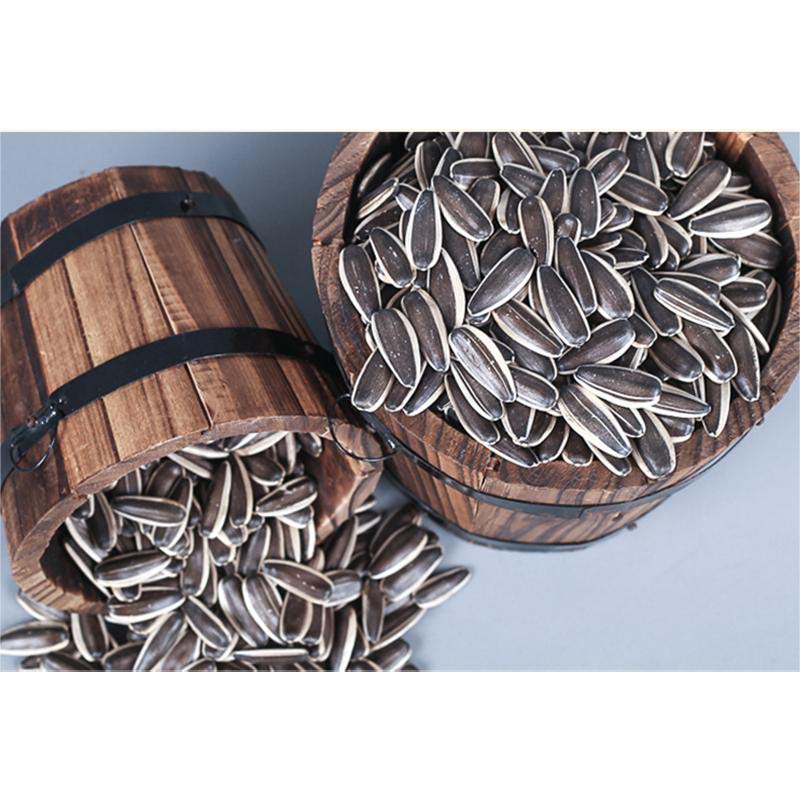
Sunflower seeds, Helianthus annuus, represent a globally significant oilseed crop and direct human food source. Varieties encompass a wide spectrum, categorized broadly by oil content (high-oleic, mid-oleic, linoleic), hull type (oil-type with black hulls, confectionery-type with striped or white hulls), and intended application. Technical positioning within the agricultural chain places sunflower seeds between primary cultivation and subsequent processing, including oil extraction, confectionary product manufacturing, and animal feed formulation. Core performance metrics center around oil yield (%), protein content (%), fatty acid profile, kernel size and weight, and susceptibility to disease. The increasing demand for healthier oils and snack foods drives continuous innovation in breeding programs, focusing on enhanced nutritional value, improved processing characteristics, and increased resistance to common plant pathogens. A critical pain point for processors is variability in seed quality based on environmental conditions and genetic purity, impacting oil extraction efficiency and product consistency.
Material Science & Manufacturing
The primary material science considerations center on the composition of the sunflower seed kernel. The kernel consists of approximately 20-50% oil, 20-30% protein, 10-20% carbohydrate (primarily starch), and 5-10% fiber. Oil composition is dominated by triglycerides, with varying proportions of linoleic acid (C18:2), oleic acid (C18:1), and palmitic acid (C16:0). Protein content consists of globulins, albumins, and glutelins. The hull, or pericarp, comprises roughly 25-35% of the seed’s total weight and is largely composed of cellulose and lignin. Manufacturing begins with seed selection and cleaning, removing debris and foreign matter. Hybrid seed production involves controlled pollination to ensure genetic uniformity. Harvesting timing is critical; premature harvesting leads to lower oil content, while delayed harvesting increases the risk of pre-harvest sprouting. Drying is a crucial step to reduce moisture content to around 9-10% for safe storage, typically using forced-air drying systems with precise temperature and airflow control (40-60°C). Dehulling, for confectionery varieties, involves mechanical abrasion, impacting kernel damage rates which must be minimized. Oil extraction employs mechanical pressing (expelling) or solvent extraction (hexane), each with specific advantages and disadvantages regarding oil yield and quality. Key parameter control during oil extraction includes solvent purity, temperature, and residence time to prevent oxidation and degradation of oil components.
Performance & Engineering
Performance evaluation of sunflower seed varieties necessitates consideration of several engineering principles. Seed shatter resistance is crucial during harvesting and handling, determined by the adhesion force between the kernel and hull. This force is dependent on hull morphology and moisture content. Dehullers utilize impact and friction forces, requiring precise calibration to minimize kernel damage while maximizing hull removal efficiency. Oil extraction efficiency is governed by Fick's Law of Diffusion, dictating the rate of oil transfer from the kernel to the solvent or the expulsion mechanism. Finite Element Analysis (FEA) is employed to optimize the design of dehulling and oil extraction machinery, ensuring uniform stress distribution and minimizing wear and tear. Environmental resistance encompasses drought tolerance, heat tolerance, and disease resistance, assessed through field trials and genetic analysis. Compliance requirements include adherence to maximum residue limits (MRLs) for pesticides and herbicides, as stipulated by regulatory bodies such as the EPA (United States) and EFSA (European Union). The structural integrity of the seed itself influences its processability; kernel hardness impacts milling efficiency for birdseed applications, while hull strength affects dehulling performance. Fatty acid composition dictates oil stability, with higher oleic acid content conferring improved oxidative stability.
Technical Specifications
| Variety | Oil Content (%) | Oleic Acid (%) | Kernel Weight (g) | Hull Percentage (%) | Protein Content (%) |
|---|---|---|---|---|---|
| Peredovik | 48-52 | 30-40 | 2.5-3.0 | 28-32 | 20-24 |
| Sungold 120 | 46-50 | 65-75 | 2.8-3.2 | 25-29 | 22-26 |
| Belosol | 44-48 | 20-30 | 2.2-2.6 | 30-35 | 23-27 |
| NSS-706 | 49-53 | 70-80 | 2.9-3.3 | 23-27 | 21-25 |
| Romsun | 47-51 | 35-45 | 2.7-3.1 | 26-30 | 24-28 |
| Hapsburg | 45-49 | 60-70 | 2.6-3.0 | 24-28 | 22-26 |
Failure Mode & Maintenance
Sunflower seed failure modes span the entire lifecycle, from pre-harvest to post-processing. Pre-harvest failures include fungal infections (e.g., Sclerotinia sclerotiorum causing white mold), insect infestations, and bird damage, leading to reduced yield and seed quality. During harvesting and drying, mechanical damage (cracking, chipping) can compromise seed viability and increase susceptibility to mold growth. Storage failures are primarily attributed to moisture absorption, leading to aflatoxin contamination (caused by Aspergillus species) and rancidity due to lipid oxidation. Rancidity is accelerated by elevated temperatures and exposure to oxygen. During dehulling, kernel breakage and hull contamination with kernel fragments are common failures. In oil extraction, incomplete oil removal and solvent retention are potential issues. Maintenance protocols for harvesting equipment involve regular inspection and replacement of worn parts (e.g., combine cutter bars, threshing cylinders). Storage facilities require humidity control (below 65%) and regular pest control measures. Oil extraction equipment necessitates routine cleaning to prevent buildup of seed residue and ensure solvent purity. Preventative maintenance programs based on time-based and condition-based monitoring are essential for minimizing downtime and maximizing operational efficiency. Failure analysis should include microscopic examination of damaged kernels to identify the root cause of the failure.
Industry FAQ
Q: What is the impact of varying linoleic to oleic acid ratios on the shelf life of sunflower oil?
A: Higher linoleic acid content increases susceptibility to oxidation, resulting in a shorter shelf life and the development of off-flavors. Oleic acid, being monounsaturated, is more stable and provides superior oxidative stability, extending shelf life. High-oleic sunflower oil is therefore preferred for applications requiring long-term storage and heat stability.
Q: How does moisture content affect the milling performance of sunflower seeds for birdseed production?
A: Excessive moisture content leads to clumping and sticking during milling, reducing throughput and increasing energy consumption. Conversely, excessively dry seeds can result in increased dust generation and lower milling efficiency. Optimal moisture content for milling is typically around 8-10%.
Q: What are the primary contaminants to monitor for in sunflower seed storage and what testing methods are used?
A: The primary contaminants are aflatoxins (produced by Aspergillus fungi) and moisture. Aflatoxin levels are quantified using ELISA (Enzyme-Linked Immunosorbent Assay) or HPLC (High-Performance Liquid Chromatography). Moisture content is determined using a moisture analyzer based on the oven-drying method.
Q: What are the key considerations when selecting a dehulling machine for confectionery sunflower seeds to minimize kernel damage?
A: Factors include the impact speed, friction surface material, and adjustable pressure settings. Machines utilizing rubber or urethane impact surfaces generally cause less kernel damage than those with abrasive metal surfaces. Precise control over pressure and impact speed is essential for optimizing hull removal while preserving kernel integrity.
Q: How does the genetic purity of sunflower seeds affect oil yield and quality in large-scale processing?
A: Genetic purity is paramount. Adulteration with off-type seeds can significantly reduce oil yield, alter the fatty acid profile, and introduce undesirable compounds, leading to inconsistent product quality and potential processing issues. Seed certification and rigorous quality control are critical for maintaining genetic purity.
Conclusion
Sunflower seed varieties represent a complex interplay of genetics, agronomy, and processing engineering. Optimizing performance requires a thorough understanding of the material science principles governing seed composition and the engineering principles driving extraction and processing efficiency. The ongoing focus on breeding for improved oil content, enhanced fatty acid profiles, and increased disease resistance continues to drive innovation in this vital agricultural sector.
The key to successful sunflower seed processing lies in meticulous control over every stage, from seed selection and drying to oil extraction and storage. Addressing failure modes through preventative maintenance and rigorous quality control protocols is essential for maximizing yield, ensuring product safety, and meeting increasingly stringent industry standards. Future developments will likely center around sustainable processing methods and the exploration of novel applications for sunflower seed byproducts.
