Introduction
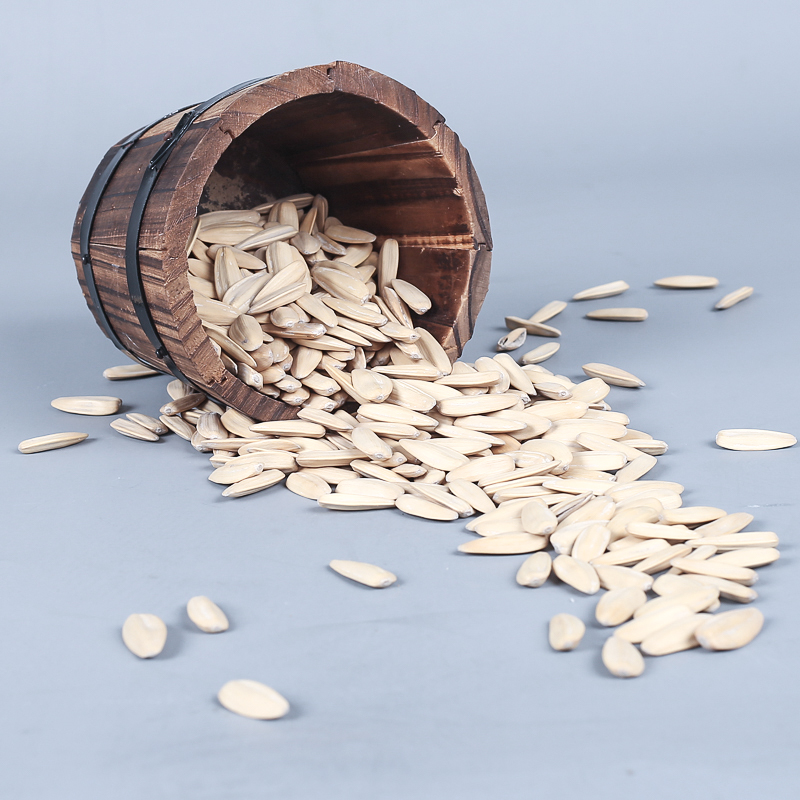
Sunflower seed varieties manufacturing represents a critical component of the agricultural supply chain, bridging plant breeding advancements with commercial food production and industrial applications. This guide details the technical aspects of sunflower seed variety production, encompassing genetic purity maintenance, seed conditioning, quality control, and adherence to international regulatory standards. Sunflower seeds, Helianthus annuus, are categorized based on oil content (high oleic, linoleic, mid-oleic), hull characteristics (oilseed vs. confection), and disease resistance. Core performance parameters include germination rate, genetic purity, oil yield (expressed as a percentage of seed weight), and freedom from contaminants. The industry faces challenges related to maintaining genetic integrity across generations, optimizing seed size and shape for planting efficiency, and mitigating the risk of seed-borne diseases. The manufacturing process is vital for delivering consistent and reliable seed quality to farmers globally, impacting crop yields and overall agricultural productivity.
Material Science & Manufacturing
The foundational material for sunflower seed varieties is, of course, the seed itself, a complex biological structure. The seed consists of an embryo, endosperm (storage tissue rich in oils and proteins), and a seed coat (protective outer layer). The chemical composition varies significantly based on the variety. Oil content typically ranges from 38-58%, predominantly comprised of triglycerides containing linoleic, oleic, and palmitic acids. Protein content typically falls between 18-26%, consisting of globulins, albumins, and glutelins. The seed coat is rich in lignins and cellulose, providing physical protection and impacting hullability. Manufacturing begins with controlled pollination to maintain genetic purity, followed by harvesting when seed moisture content reaches 8-12%. Cleaning involves size grading, air separation to remove debris, and destoning. Drying is critical, typically using fluid bed dryers maintaining temperatures below 45°C to prevent protein denaturation and oil oxidation. Seed treatment with fungicides and insecticides is common to protect against seed-borne pathogens and pests. Precise parameter control during drying and treatment is crucial; excessive heat can reduce germination, while insufficient treatment compromises seed health. Seed conditioning employs optical sorting to remove discolored or damaged seeds, enhancing visual quality and uniformity.
Performance & Engineering
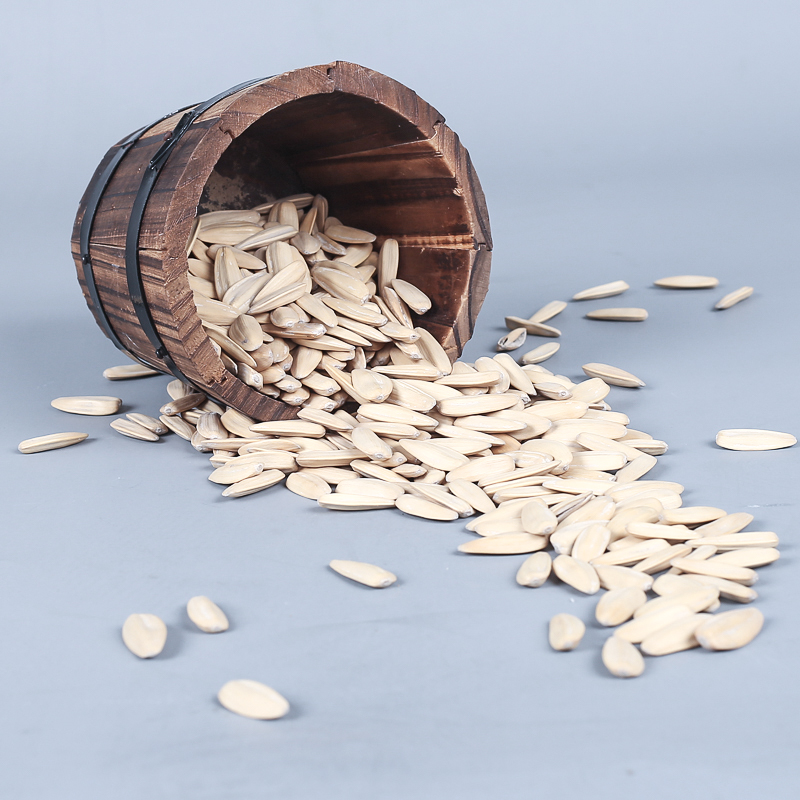
Sunflower seed variety performance is governed by several engineering principles related to seed handling and planting. Seed size and shape impact metering accuracy in pneumatic planters. Irregular seed shapes can lead to skips or doubles, resulting in uneven plant populations. Seed density affects planting uniformity and singulation precision. Force analysis during planting reveals the forces required to overcome seed-metering resistance and achieve consistent seed delivery. Environmental resistance is paramount; seeds must withstand temperature fluctuations, moisture variations, and potential mechanical damage during storage and planting. Germination rate is directly correlated with seed viability and vigor, impacted by seed moisture content, temperature, and oxygen availability. Compliance requirements, such as those set by seed certification agencies, dictate maximum allowable levels of weed seeds, inert matter, and pathogens. Functional implementation relies on accurate calibration of planting equipment and adherence to recommended seeding rates based on variety characteristics and environmental conditions. Seed coating polymers provide physical protection, improve flowability, and facilitate precise placement in the seed furrow.
Technical Specifications
| Variety | Oil Content (%) | Germination Rate (%) | Genetic Purity (%) |
|---|---|---|---|
| Hybrid X500 | 48.5 | 92 | 99.8 |
| Confection Y20 | 42.0 | 88 | 99.5 |
| High Oleic Z70 | 70.0 | 85 | 99.9 |
| Mid-Oleic A40 | 60.0 | 90 | 99.7 |
| Disease Resistant B10 | 45.0 | 95 | 99.6 |
| Early Maturity C30 | 40.0 | 86 | 99.4 |
Failure Mode & Maintenance
Sunflower seed varieties are susceptible to several failure modes. Physiological deterioration, driven by lipid peroxidation and protein denaturation, reduces germination capacity during storage. Mechanical damage during harvesting, handling, and processing leads to cracked seed coats, increasing susceptibility to fungal infection and reducing seedling vigor. Seed-borne pathogens, such as Phomopsis helianthi and Sclerotinia sclerotiorum, can cause damping-off and seedling blight. Insect infestation, particularly by storage pests, can result in seed weight loss and reduced viability. Failure analysis reveals that improper drying and storage conditions are primary contributors to seed deterioration. Maintenance strategies include maintaining optimal storage temperature (below 15°C) and humidity (below 60%), implementing integrated pest management practices, and employing seed treatments with appropriate fungicides and insecticides. Regular seed testing for germination rate, genetic purity, and pathogen presence is essential for quality control. Seed coating with polymers and protectants can enhance physical protection and reduce the impact of environmental stressors. Preventative maintenance of harvesting and processing equipment minimizes mechanical damage and ensures seed integrity.
Industry FAQ
Q: What is the significance of genetic purity in sunflower seed varieties?
A: Genetic purity is paramount as it directly influences the uniformity and predictability of crop performance. High genetic purity ensures that the desired traits – oil content, disease resistance, maturity – are consistently expressed across the entire field, maximizing yield potential and quality. Deviation from genetic purity can lead to inconsistent results and reduced market value.
Q: How does seed moisture content impact long-term storage?
A: Seed moisture content is a critical factor in long-term storage stability. High moisture content accelerates metabolic processes, leading to lipid peroxidation, protein denaturation, and reduced germination rate. Maintaining a moisture content below 8% is essential for minimizing deterioration during extended storage periods.
Q: What are the common methods for detecting seed-borne pathogens?
A: Common methods include laboratory germination tests with pathogen detection assays, ELISA (Enzyme-Linked Immunosorbent Assay) for specific pathogen antigens, and PCR (Polymerase Chain Reaction) for pathogen DNA detection. Visual inspection for characteristic symptoms can also provide preliminary indications, but laboratory confirmation is crucial for accurate diagnosis.
Q: What role do seed coatings play in improving planting performance?
A: Seed coatings provide several benefits. They enhance flowability during planting, improve seed-soil contact, protect against seed-borne pathogens and pests, and deliver nutrients or growth promoters directly to the germinating seedling. Specialized coatings can also improve singulation precision in pneumatic planters.
Q: How do high oleic sunflower varieties differ from traditional linoleic varieties?
A: High oleic sunflower varieties contain significantly higher levels of oleic acid (typically >70%) compared to linoleic acid. This results in improved oxidative stability, longer shelf life, and enhanced nutritional value. High oleic oils are preferred for frying and other high-heat applications due to their resistance to rancidity.
Conclusion
The manufacture of sunflower seed varieties is a complex interplay of genetic principles, material science, and engineering considerations. Maintaining genetic purity, optimizing seed conditioning, and controlling environmental factors are crucial for delivering high-quality seed to farmers. Continuous advancements in seed treatment technologies and quality control methodologies are essential for improving crop performance and addressing evolving agricultural challenges.
Looking ahead, precision seed treatment, incorporating targeted delivery of biostimulants and beneficial microbes, will become increasingly important. The development of novel seed coating materials with enhanced barrier properties and controlled-release capabilities will further improve seed performance and sustainability. Data-driven seed quality assessments, leveraging advanced analytical techniques, will enable more efficient and accurate selection of superior seed lots.
