Introduction
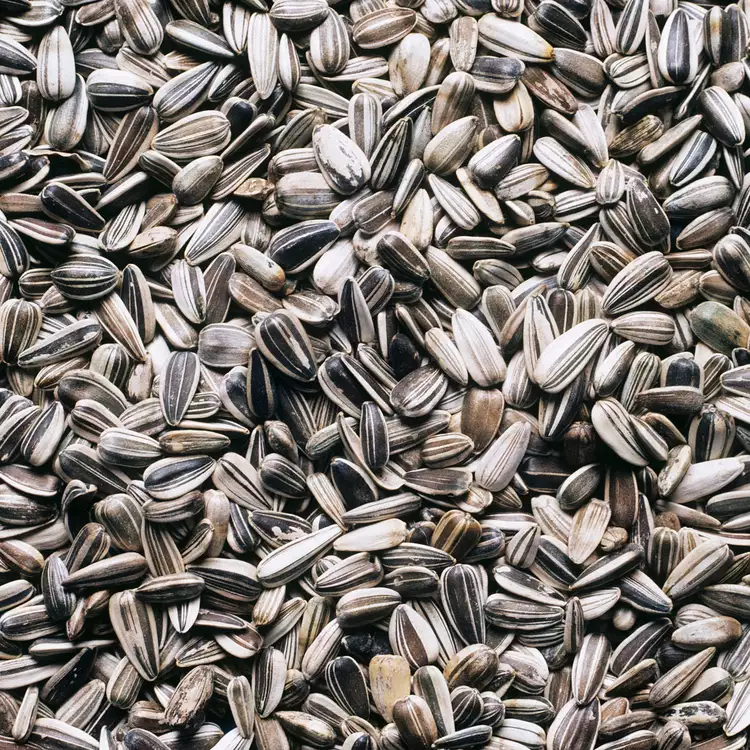
Sunflower seed variety production represents a critical segment of the agricultural processing industry, bridging the gap between genetic research and large-scale food production. This guide focuses on the intricacies of maintaining seed quality, genetic purity, and maximizing yield potential within a sunflower seed varieties factory. Sunflower seeds, Helianthus annuus, are a globally significant oilseed crop, requiring precise control over varietal development, harvesting, cleaning, drying, and storage to meet stringent quality standards and international trade regulations. The industry chain begins with plant breeding and genetic modification to enhance traits like oil content, disease resistance, and yield, progressing through seed multiplication, processing, and ultimately, distribution to farmers. Core performance metrics center on germination rate, genetic identity, oil percentage, and absence of seed-borne diseases, all impacting downstream agricultural productivity. Maintaining these parameters requires robust quality control systems and adherence to established industry best practices.
Material Science & Manufacturing
The foundation of sunflower seed variety production lies in understanding the material science of the seed itself. The pericarp, or seed coat, is composed primarily of cellulose, hemicellulose, and lignin, providing a protective barrier against physical damage and microbial ingress. Endosperm tissue constitutes the bulk of the seed, rich in lipids (typically 40-60% oil content, dependent on variety), proteins, and carbohydrates. Kernel hardness, influenced by protein composition and cellular structure, affects milling efficiency and oil extraction yields. Manufacturing processes begin with controlled pollination to maintain genetic purity, followed by harvesting at optimal maturity – generally indicated by a moisture content of 10-13%. Seed cleaning utilizes a multi-stage process involving screening, aspiration, and gravity separation to remove chaff, weed seeds, and other foreign matter. Drying is crucial, typically employing forced-air systems to reduce moisture content to 8-9% for long-term storage. Temperature control during drying is paramount to prevent thermal damage to the embryo, impacting germination. Key parameters monitored include drying air temperature (not exceeding 40°C), seed bed depth, and airflow rate. Seed coating applications, utilizing polymers and fungicides, enhance handling characteristics, protect against pests and diseases, and improve germination uniformity. Polymer selection must consider compatibility with seed surface properties and potential environmental impact.
Performance & Engineering
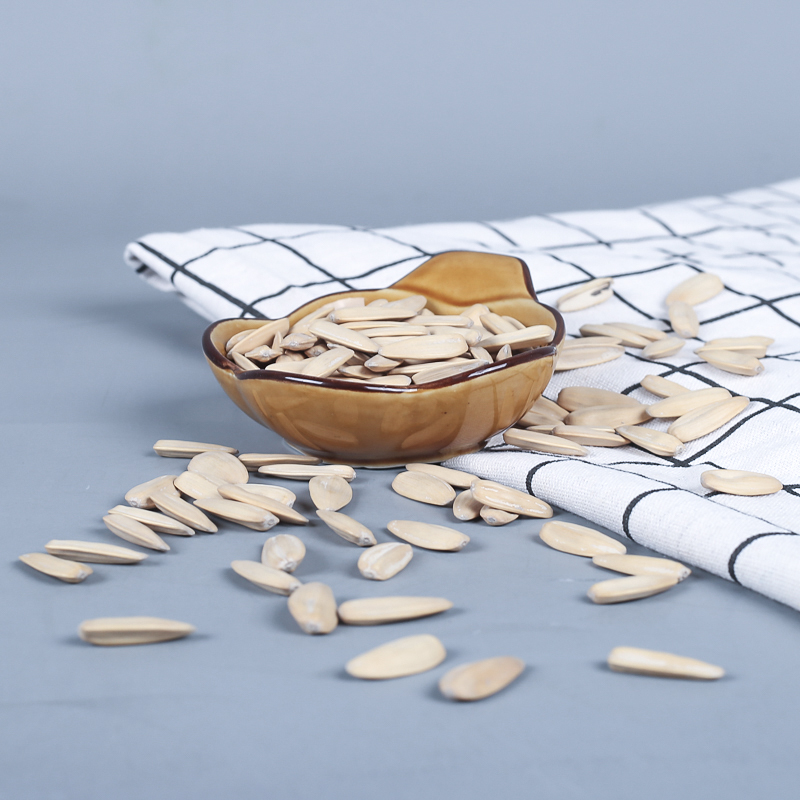
Performance evaluation of sunflower seed varieties extends beyond simple yield measurements. Germination energy and rate are critical indicators of seed viability, assessed under controlled laboratory conditions (temperature, moisture, light). Stress tests, subjecting seeds to varying temperature and moisture regimes, evaluate their resilience to adverse environmental conditions. Oil content analysis, typically employing Soxhlet extraction or near-infrared spectroscopy (NIRS), determines the percentage of oil within the kernel. Fatty acid profile analysis, using gas chromatography, assesses the composition of the oil (oleic, linoleic, palmitic acids) impacting nutritional value and industrial applications. Seed strength, measured through impact testing, evaluates resistance to mechanical damage during handling and processing. Engineering considerations involve designing efficient seed processing lines, optimizing airflow patterns for drying, and implementing automated quality control systems. Dust control is a significant engineering challenge, requiring effective ventilation and filtration systems to prevent explosions and maintain a safe working environment. Storage facilities must be designed to maintain consistent temperature and humidity levels, preventing seed deterioration and insect infestation. Compliance requirements, such as those mandated by seed certification agencies, dictate permissible levels of contaminants and adherence to varietal purity standards.
Technical Specifications
| Variety | Oil Content (%) | Germination Rate (%) | 1000-Seed Weight (g) |
|---|---|---|---|
| Black Oil Sunflower (HOS) | 60-70 | 85-95 | 5-7 |
| High Oleic Sunflower (HOS) | 70-80 | 80-90 | 6-8 |
| Confectionery Sunflower | 40-50 | 88-98 | 4-6 |
| Hybrid Sunflower (Example) | 65-75 | 90-95 | 5.5-7.5 |
| NuSun Sunflower | 68-78 | 82-92 | 6-8 |
| Peredovik | 50-60 | 85-95 | 4.5-6.5 |
Failure Mode & Maintenance
Sunflower seed varieties are susceptible to several failure modes. Physical damage during harvesting or processing can lead to cracked kernels, reducing germination rates and oil extraction efficiency. Insect infestation, particularly by storage pests like the sunflower weevil (Smicronyx spp.), causes direct seed loss and contamination. Fungal growth, favored by high moisture content, results in mycotoxin production (e.g., aflatoxins), rendering the seeds unsuitable for consumption or further processing. Genetic drift, due to cross-pollination with undesirable varieties, diminishes varietal purity over time. Storage-induced deterioration, characterized by lipid oxidation and protein degradation, reduces seed viability and oil quality. Maintenance strategies include implementing robust sanitation protocols to control insect and fungal populations, optimizing drying and storage conditions to minimize moisture content, and employing periodic seed testing to monitor germination rates and genetic purity. Regular inspection of processing equipment (cleaners, dryers, coaters) is crucial to identify and rectify mechanical failures. Preventative maintenance schedules, encompassing lubrication, filter replacement, and belt alignment, extend equipment lifespan and ensure consistent performance. Implementing a strict seed sourcing policy, emphasizing certified seed stock, minimizes the risk of genetic contamination.
Industry FAQ
Q: What are the critical factors affecting oil quality in sunflower seeds?
A: Oil quality is primarily determined by the fatty acid profile, influenced by genetics, growing conditions, and post-harvest handling. High oleic varieties are favored for their stability and longer shelf life. Minimizing exposure to heat, light, and oxygen during storage is crucial to prevent lipid oxidation and maintain oil quality. Proper drying and storage temperatures are vital.
Q: How do you ensure varietal purity in a large-scale production facility?
A: Varietal purity is maintained through strict control over pollination processes, utilizing isolation distances or specialized breeding techniques. Regular seed testing, employing morphological and molecular markers, verifies genetic identity. Implementing a robust seed sourcing policy, using only certified seed stock, minimizes the risk of contamination.
Q: What are the common causes of reduced germination rates in sunflower seeds?
A: Reduced germination rates can result from physical damage during harvesting or processing, improper drying (excessive heat or moisture), insect infestation, fungal growth, and seed aging. Maintaining optimal storage conditions (low temperature and humidity) is essential.
Q: What are the key considerations for storage facility design to prevent seed deterioration?
A: Storage facilities should be designed to maintain consistent temperature and humidity levels, ideally below 10°C and 65% relative humidity, respectively. Effective ventilation and pest control systems are crucial. Silos should be sealed to prevent moisture ingress and insect infestation. Regular monitoring of temperature and humidity is essential.
Q: How does seed coating contribute to improved crop establishment?
A: Seed coating enhances handling characteristics, protects against pests and diseases during early seedling development, and improves germination uniformity by providing a controlled moisture environment. The coating polymers can also contain micronutrients to promote initial seedling growth.
Conclusion
Sunflower seed variety production is a complex process requiring a deep understanding of seed physiology, material science, and engineering principles. Maintaining high germination rates, genetic purity, and optimal oil content demands rigorous quality control throughout the entire production chain, from breeding to storage. Investing in advanced seed processing technology, implementing robust sanitation protocols, and adhering to stringent industry standards are critical for maximizing yield potential and ensuring a consistent supply of high-quality sunflower seeds.
Future advancements in the field will likely focus on developing more resilient varieties through genetic engineering, optimizing seed coating technologies to enhance pest and disease resistance, and implementing data-driven analytics to improve process efficiency and predict potential quality issues. Continued research into optimized storage conditions and the development of innovative packaging materials will further contribute to maintaining seed viability and extending shelf life.
