Introduction
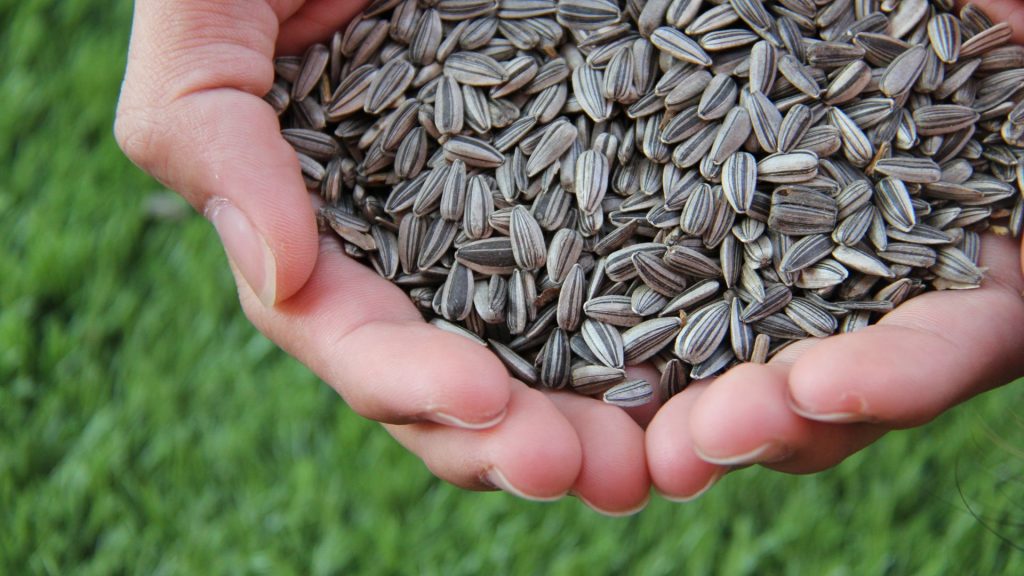
Sunflower seeds, categorized botanically under Helianthus annuus, represent a globally significant oilseed crop and a crucial component of the human and animal food chains. This guide focuses on the complexities of sunflower seed variety export, detailing the critical parameters impacting quality, marketability, and international trade. Sunflower seeds are not merely commodities; they exhibit significant diversity in oil content, fatty acid profile, protein composition, and hull characteristics, all of which are crucial to understanding their technical positioning within the agricultural export industry. Specifically, we will cover oil-type versus confectionary types, linoleic vs. high-oleic varieties, and the impacts of these distinctions on processing and end-use applications. The industry faces growing pressure regarding traceability, mycotoxin control, and adherence to increasingly stringent import regulations, making a comprehensive understanding of seed quality paramount for successful export operations. This document will serve as a technical deep-dive for exporters and importers navigating these complexities.
Material Science & Manufacturing
The foundational material science of sunflower seeds revolves around their chemical composition: approximately 35-58% oil, 20-25% protein, and 10-20% carbohydrates, with the remainder consisting of moisture, fiber, and minerals. The oil, primarily composed of triglycerides, dictates the seed’s caloric value and processing suitability. Linoleic acid (omega-6) and oleic acid (omega-9) are the dominant fatty acids, with the ratio heavily influencing oil stability and nutritional value. Hull composition, predominantly cellulose and hemicellulose, impacts seed shelling efficiency and the resulting kernel yield. Manufacturing processes, beginning with seed breeding and culminating in post-harvest handling, are critical. Breeding programs select for traits like high oil content, disease resistance, and specific fatty acid profiles. Harvesting timing directly affects seed moisture content, influencing storability and susceptibility to fungal growth. Drying, typically employing forced-air systems, reduces moisture to 8-10% for long-term preservation. Seed dehulling, a mechanical process, separates the kernel from the hull, requiring precise control of impact forces to minimize kernel damage. Grading and cleaning remove foreign materials and broken kernels, ensuring product purity. Quality control throughout these stages, including regular oil content analysis, fatty acid profiling (via gas chromatography), and moisture determination (using near-infrared spectroscopy), is essential for meeting export standards. The physical properties like seed size, shape, and density are also monitored using sieving and gravimetric methods.
Performance & Engineering
Performance of sunflower seeds during transport, storage, and processing is dictated by their inherent physical and chemical properties. Impact resistance, particularly during handling and dehulling, is critical, with brittle seeds prone to breakage and yield loss. The engineering considerations for bulk storage focus on maintaining optimal temperature and humidity to prevent lipid oxidation and mycotoxin development. Airflow management within silos is vital to avoid localized heating and moisture buildup. Seed coating with polymers or inert materials is employed to enhance flowability, reduce dust generation, and provide a barrier against moisture ingress. Storage stability is assessed through accelerated aging tests, monitoring parameters like oil acidity, peroxide value, and germination rate. Compliance with import regulations necessitates adherence to maximum permissible levels of mycotoxins (aflatoxins, ochratoxin A), heavy metals (lead, cadmium), and pesticide residues. Transportation requires careful control of temperature and humidity, especially for long-distance shipments, to mitigate degradation. Force analysis during dehulling operations informs the design of efficient and gentle processing equipment, minimizing kernel damage and maximizing oil yield. The shatter resistance of the seed coat impacts the efficiency of planting equipment in confectionary varieties.
Technical Specifications
| Parameter | Oil-Type Seeds | Confectionary Seeds | High-Oleic Seeds |
|---|---|---|---|
| Oil Content (%) | 48-58 | 40-50 | 60-70 |
| Linoleic Acid (%) | 50-70 | 40-60 | <10 |
| Oleic Acid (%) | 15-35 | 20-40 | 70-85 |
| Kernel Hull Ratio (%) | 60-70 | 75-85 | 60-70 |
| Moisture Content (%) | <10 | <10 | <10 |
| Aflatoxin Levels (ppb) | <5 | <5 | <5 |
Failure Mode & Maintenance
Sunflower seed failure modes during export and storage are multifaceted. Lipid oxidation, driven by exposure to oxygen, light, and elevated temperatures, results in rancidity and decreased oil quality. Mycotoxin contamination, primarily from Aspergillus species, occurs in improperly dried or stored seeds, posing a significant health risk. Physical damage, such as cracking or chipping, during handling and transport reduces seed viability and processing efficiency. Insect infestation can lead to significant weight loss and contamination. Degradation of proteins and carbohydrates over extended storage periods reduces nutritional value. Maintenance strategies involve rigorous quality control at each stage of the supply chain. Proper drying to <10% moisture content is crucial to prevent fungal growth. Storage in airtight, temperature-controlled silos minimizes oxidation and insect activity. Regular monitoring for mycotoxins and pest infestations is essential. Appropriate packaging materials provide a barrier against moisture and oxygen. Implementation of a robust traceability system allows for rapid identification and isolation of contaminated lots. Periodic cleaning and disinfection of storage facilities prevent the buildup of pathogens and pests. Proper ventilation during storage prevents localized heating and moisture condensation. Damage assessments during transport should be documented and analyzed to improve handling procedures.
Industry FAQ
Q: What is the primary difference between oil-type and confectionary sunflower seeds from a quality control perspective?
A: Oil-type seeds are primarily assessed based on oil content and fatty acid profile, with a tolerance for a higher level of hull content. Confectionary seeds, destined for direct human consumption, demand stricter control of kernel size, shape, and freedom from defects. Aflatoxin levels are critically monitored in both, but visual inspection for damage and foreign material is far more stringent for confectionary varieties. Furthermore, seed coat integrity is paramount for confectionary seeds, impacting their shelling characteristics and overall appeal.
Q: How does the high-oleic acid content in certain varieties affect storage stability during long-term export?
A: High-oleic acid content significantly improves storage stability. Oleic acid is less susceptible to oxidation compared to linoleic acid, extending the shelf life of the seeds and reducing the risk of rancidity. This translates to lower peroxide values and improved oil quality over extended storage periods, making high-oleic varieties a preferred choice for long-distance exports.
Q: What analytical methods are used to determine the moisture content and oil content of sunflower seeds?
A: Moisture content is typically determined using a near-infrared (NIR) spectroscopy analyzer, offering rapid and non-destructive measurement. Alternatively, oven drying to constant weight can be employed, providing a more precise but time-consuming result. Oil content is determined through solvent extraction (typically hexane) followed by gravimetric analysis, or using NMR (Nuclear Magnetic Resonance) spectroscopy.
Q: What are the key import regulations regarding mycotoxin levels, specifically aflatoxins, for sunflower seeds in the European Union?
A: The European Union has stringent regulations regarding aflatoxin levels in sunflower seeds. Commission Regulation (EC) No 1881/2006 sets the maximum permissible level of total aflatoxins at 2 µg/kg (ppb) for sunflower seeds intended for direct human consumption. Regular testing and adherence to Good Agricultural Practices (GAP) are crucial for compliance.
Q: What steps can be taken to minimize physical damage to sunflower seeds during bulk handling and transport?
A: Minimizing physical damage requires a multi-pronged approach. Employing gentle handling equipment, such as conveyor systems with cushioned surfaces, reduces impact forces. Optimizing the loading and unloading processes to avoid dropping or shifting of bulk materials is essential. Utilizing appropriate packaging materials that provide cushioning and protection is crucial. Monitoring and controlling vibration during transport can significantly reduce kernel breakage. Proper stacking and securing of pallets within containers prevents shifting and damage during transit.
Conclusion
Sunflower seed variety export demands a comprehensive understanding of material science, manufacturing processes, and international trade regulations. Successful exporters prioritize quality control at every stage, from breeding and harvesting to storage and transportation. Controlling moisture content, minimizing physical damage, and mitigating mycotoxin contamination are critical for ensuring product integrity and meeting stringent import requirements. The increasing demand for high-oleic varieties underscores the importance of specialized breeding programs and analytical capabilities.
Looking ahead, traceability and sustainability will become increasingly important drivers in the sunflower seed export market. Implementing robust traceability systems and adopting environmentally responsible agricultural practices will enhance market access and consumer confidence. Continuous investment in research and development to improve seed quality, storage stability, and processing efficiency will be essential for maintaining competitiveness in the global market.
