Introduction
Sunflower seeds, Helianthus annuus, represent a globally significant oilseed crop and direct human food source. This guide focuses on the complexities of exporting diverse sunflower seed varieties, addressing quality control, seed integrity, and international regulatory compliance. The industry chain spans agricultural production, seed processing (dehulling, sizing, optical sorting), quality assessment, packaging, and international logistics. Core performance metrics revolve around oil content, protein levels, fatty acid profile, germination rate (for confectionary varieties), and the absence of harmful contaminants. Significant industry pain points include maintaining varietal purity during bulk handling, mitigating aflatoxin contamination, meeting stringent import phytosanitary regulations, and addressing fluctuating global market demands driven by oilseed prices and consumer preferences.
Material Science & Manufacturing
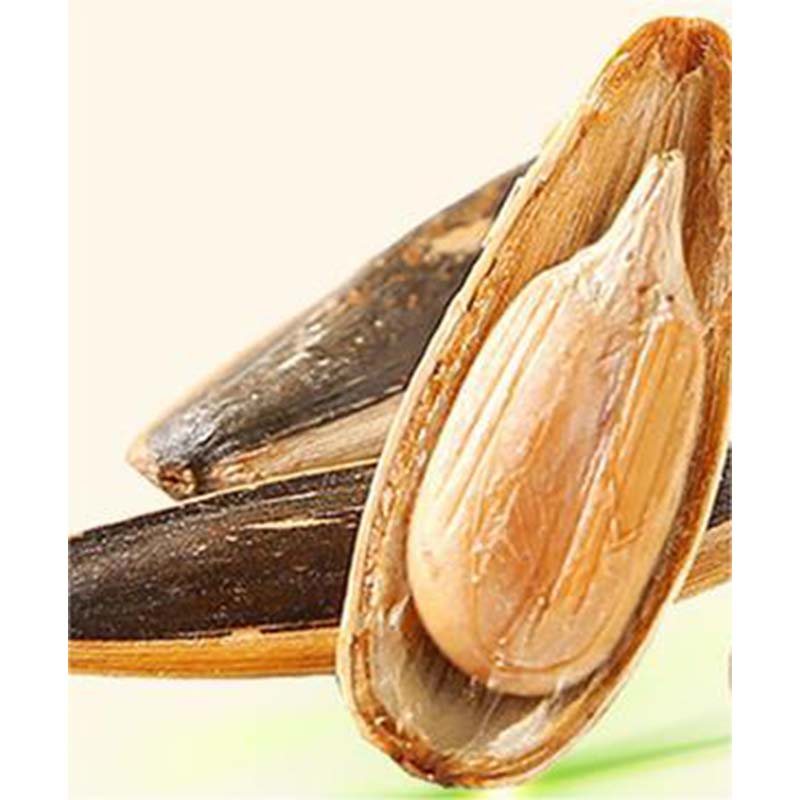
Sunflower seed composition is fundamentally governed by its biological origin. The seed consists of a hull (pericarp), kernel (cotyledon), and embryo. Hull composition is primarily cellulose and lignin, influencing dehulling efficiency. The kernel contains approximately 40-55% oil, predominantly linoleic acid (omega-6) and oleic acid (omega-9), with varying levels of palmitic and stearic acids depending on the variety. Protein content typically ranges from 20-25%, largely globulins and albumins. Moisture content is critical, ideally maintained between 8-10% to prevent mold growth and lipid oxidation. Manufacturing involves harvesting, drying (to ~10% moisture), dehulling (mechanical abrasion or impact), kernel sizing (screen separators), optical sorting (color and shape defects), and chemical analysis for oil content and fatty acid profile. Key parameter control during processing includes minimizing kernel damage (impacting oil quality) and ensuring efficient separation of hulls. Aflatoxin contamination, produced by Aspergillus flavus and Aspergillus parasiticus fungi, is a major concern; proper drying and storage are essential preventative measures. Variety-specific chemical compositions necessitate tailored processing parameters. Oil extraction methods (pressing or solvent extraction) also influence the final product's quality and characteristics.
Performance & Engineering
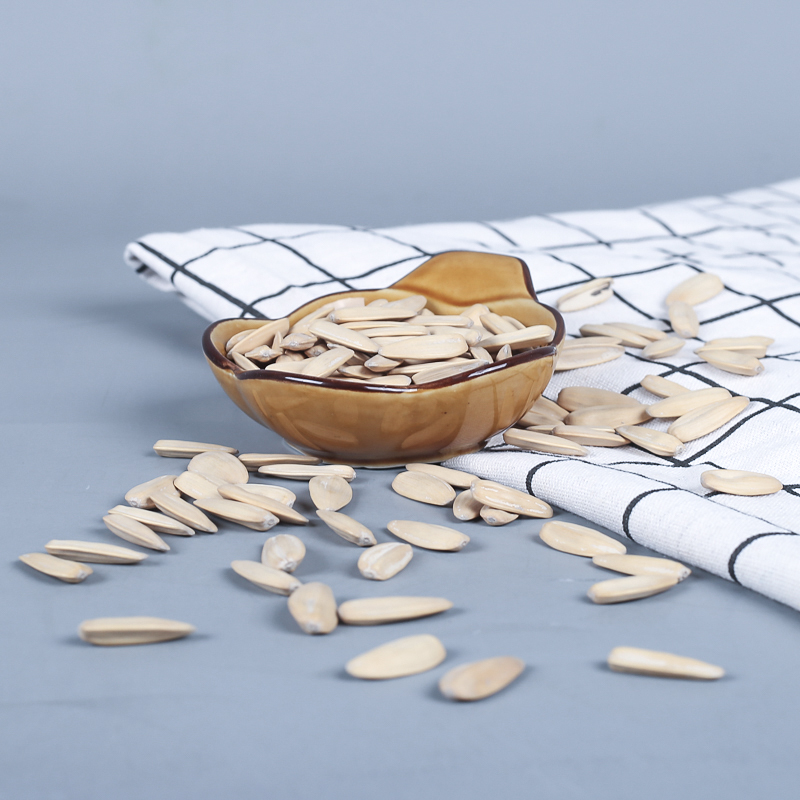
The performance of sunflower seeds for export is dictated by several engineering and biochemical factors. Seed hardness, measured by compression testing, impacts dehulling efficiency and kernel damage. Kernel oil content is a primary quality determinant, assessed via Soxhlet extraction or near-infrared spectroscopy. Fatty acid composition, determined by gas chromatography, influences oil stability and nutritional value. Germination rate (for confectionary varieties) is crucial, requiring rigorous seed viability testing. Shear force analysis assesses hull strength and dehulling resistance. Environmental resistance relates to seed storage stability; controlled atmosphere storage (reducing oxygen and increasing carbon dioxide) can extend shelf life. Compliance requirements include adherence to maximum residue limits (MRLs) for pesticides, heavy metals, and mycotoxins (aflatoxins). Packaging engineering is also critical; materials must provide a moisture barrier, protect against physical damage during transport, and prevent contamination. Force analysis during packaging and transportation should account for stacking loads and vibration. Bulk density is a key logistical factor affecting container utilization.
Technical Specifications
| Variety | Oil Content (%) | Protein Content (%) | Hull Percentage (%) |
|---|---|---|---|
| Black Oil Sunflower (BOSS) | 48-52 | 22-26 | 28-32 |
| High Oleic Sunflower | 45-50 | 20-24 | 30-35 |
| Confectionary Sunflower | 40-45 | 23-27 | 35-40 |
| Perilla Sunflower | 38-42 | 24-28 | 40-45 |
| NuSun Sunflower | 42-48 | 21-25 | 32-38 |
| Russian Mammoth Sunflower | 40-44 | 25-29 | 36-42 |
Failure Mode & Maintenance
Sunflower seed quality degradation can manifest through several failure modes. Lipid oxidation, leading to rancidity, is a primary concern, accelerated by high temperatures, light exposure, and residual moisture. Aflatoxin contamination represents a significant safety hazard, particularly during prolonged storage under humid conditions. Mechanical damage during harvesting, dehulling, or transportation can compromise seed integrity, increasing susceptibility to mold growth and insect infestation. Delamination of the kernel from the hull, causing yield loss and processing difficulties, can occur due to improper drying or excessive mechanical stress. Germination failure in confectionary varieties can arise from seed dormancy issues, physiological aging, or physical damage. Maintenance involves implementing rigorous quality control measures throughout the supply chain, including proper drying techniques, controlled atmosphere storage, regular monitoring for aflatoxins, and employing gentle handling procedures. Regular inspection of processing equipment and adherence to sanitation protocols are crucial. Preventive measures also include seed treatments with fungicides to mitigate fungal growth during storage. Post-harvest pest management strategies are essential to minimize insect damage.
Industry FAQ
Q: What are the critical aflatoxin limits for sunflower seeds destined for the European Union?
A: The EU regulations (Commission Regulation (EC) No 1881/2006, as amended) stipulate a maximum level of 2.0 µg/kg for total aflatoxins (B1, B2, G1, and G2) in sunflower seeds intended for direct human consumption. For products intended for animal feed, the maximum level is generally 10 µg/kg, but specific regulations may apply depending on the animal species.
Q: What is the significance of the iodine value in sunflower oil, and how does it relate to seed variety?
A: The iodine value (IV) indicates the degree of unsaturation in the fatty acids of the oil. A higher IV signifies a greater proportion of unsaturated fatty acids. High Oleic sunflower varieties have significantly lower IVs (around 70-80) compared to standard Linoleic sunflower varieties (around 115-125), resulting in improved oxidative stability and longer shelf life.
Q: How does the moisture content of sunflower seeds impact their storage longevity?
A: Moisture content is a critical factor. Seeds with a moisture content above 10% are prone to mold growth, including Aspergillus species that produce aflatoxins. Optimal storage longevity is achieved with moisture content between 8-9%. Proper drying immediately after harvest is therefore essential.
Q: What phytosanitary certificates are typically required for exporting sunflower seeds to the United States?
A: Typically, a Phytosanitary Certificate issued by the exporting country’s National Plant Protection Organization (NPPO) is required. This certificate confirms the seeds are free from regulated pests and diseases. The USDA APHIS (Animal and Plant Health Inspection Service) may also have specific requirements depending on the origin country and variety.
Q: What are the key considerations for packaging sunflower seeds for long-distance maritime transport?
A: Packaging must provide a robust moisture barrier (polyethylene liners within multi-wall paper bags or woven polypropylene bags), protect against physical damage during handling and stacking, and be appropriately labeled with all required information (variety, net weight, origin, production date, lot number). Palletization and proper securing of loads within containers are critical to prevent shifting during transport.
Conclusion
The successful export of sunflower seed varieties demands a comprehensive understanding of seed biology, processing technologies, and international regulatory frameworks. Maintaining seed quality, particularly minimizing aflatoxin contamination and preserving varietal purity, is paramount. Implementing robust quality control measures throughout the supply chain – from harvesting and drying to processing, packaging, and transportation – is essential for meeting stringent import requirements and ensuring customer satisfaction.
Future trends in the industry are likely to focus on developing sunflower varieties with improved nutritional profiles (e.g., higher oleic acid content, enhanced vitamin E levels), increased disease resistance, and reduced hull percentages. Adopting precision agriculture techniques, employing advanced optical sorting technologies, and investing in improved storage infrastructure will be crucial for maintaining competitiveness in the global market. Furthermore, transparent traceability systems will become increasingly important to address consumer concerns regarding food safety and origin.
