Introduction
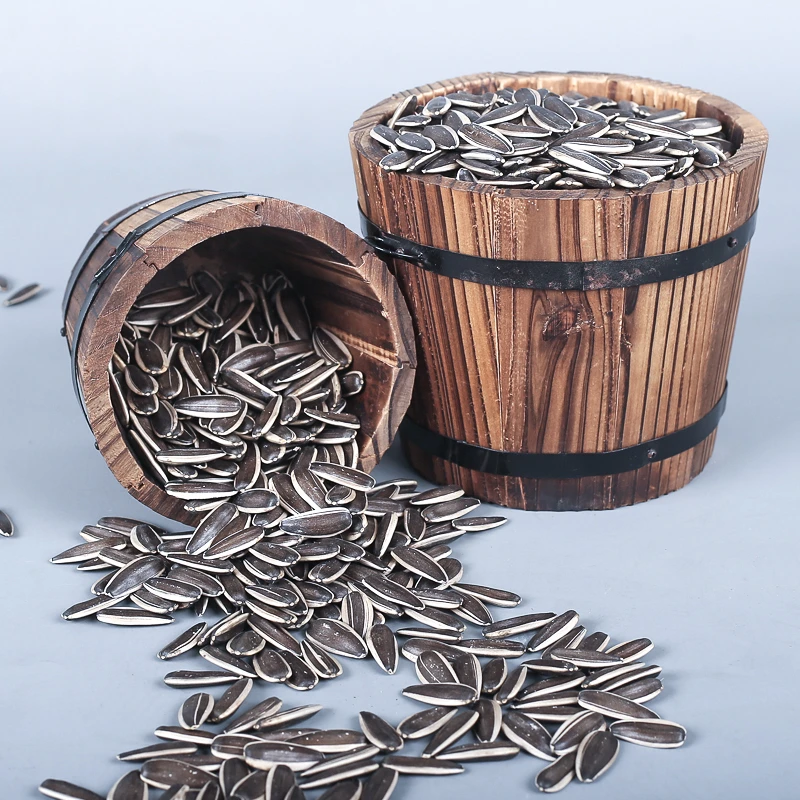
Toasted sunflower seeds represent a significant segment within the agricultural commodity and snack food industries. This technical guide addresses the complexities faced by suppliers of toasted sunflower seeds, focusing on the processes impacting quality, safety, and consistency. Sunflower seeds, Helianthus annuus, undergo a transformation from raw agricultural product to a consumable snack or ingredient through controlled thermal processing. This guide details the critical parameters governing that process, material science considerations, performance specifications, potential failure modes, and relevant industry standards. Suppliers navigate challenges surrounding seed quality variability, optimization of toasting profiles for flavor and texture, ensuring microbiological safety, and meeting international regulations pertaining to food processing and packaging. Maintaining consistent product quality, mitigating acrylamide formation, and managing lipid oxidation are core pain points requiring detailed technological understanding.
Material Science & Manufacturing
Raw sunflower seeds comprise a hull (pericarp) approximately 30-40% of the seed weight, the kernel (cotyledon) representing the edible portion. Kernel composition is approximately 20-50% oil (primarily linoleic acid), 20-30% protein, 15-25% carbohydrate, and 5-10% moisture. Toasting fundamentally alters these components. The toasting process involves convective heat transfer, inducing complex Maillard reactions between reducing sugars and amino acids, generating desirable flavor compounds. Heating also causes gelatinization of starch and denaturation of proteins. Manufacturing begins with cleaning and grading of raw seeds to remove foreign matter and categorize by size. The crucial stage is toasting, typically performed in continuous or batch roasters. Batch roasters offer greater control but lower throughput; continuous roasters are more efficient for large-scale production. Key parameters include temperature (140-180°C typically), residence time (15-30 minutes), and airflow. Precise temperature control is vital to prevent scorching and acrylamide formation. After toasting, seeds are often seasoned with salt or other flavorings, then cooled rapidly to halt the cooking process and prevent moisture re-absorption. Cooling methods include forced air and water-jacketed conveyers. Packaging materials, crucial for maintaining quality, must exhibit low oxygen permeability and moisture resistance. Improper control of these parameters results in rancidity, flavor degradation and textural defects.
Performance & Engineering
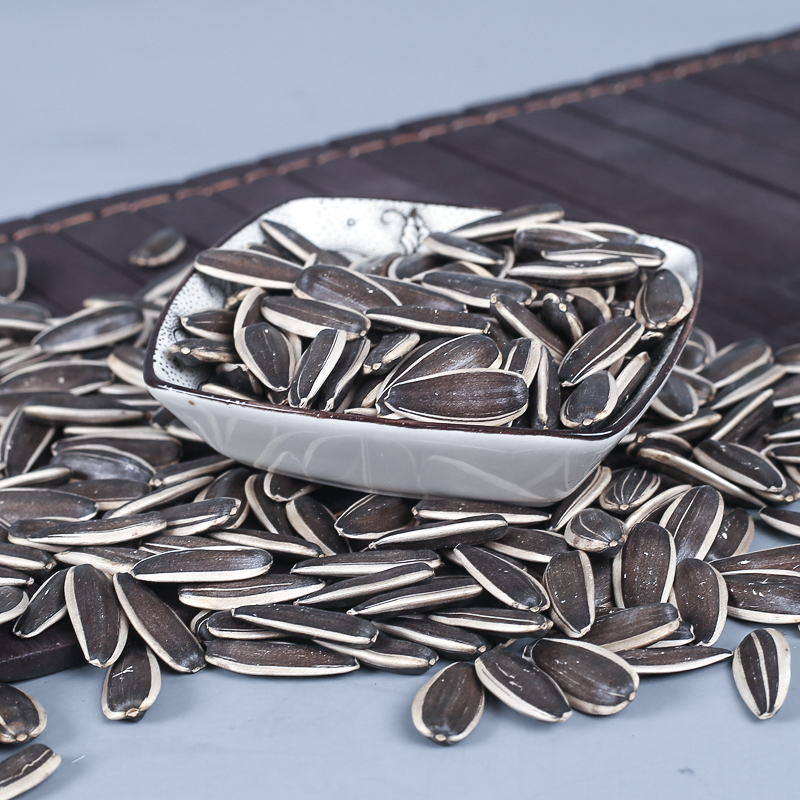
Performance evaluation of toasted sunflower seeds centers on several key areas: sensory attributes (flavor, texture, color), nutritional value (oil content, protein content), microbiological safety, and physical integrity. Force analysis during packaging and transit is critical; seeds must withstand compressive forces without excessive breakage. The seed coat’s brittle fracture point directly influences this. Environmental resistance assesses the product’s stability under varying temperature and humidity conditions, dictating shelf life. High humidity promotes lipid oxidation and microbial growth. Compliance requirements are extensive, encompassing food safety regulations (HACCP, GMP), labeling standards, and import/export regulations. Acrylamide levels are a significant concern, requiring process optimization to minimize formation. The water activity (Aw) of the finished product must be controlled (typically below 0.6) to inhibit microbial growth. Engineering considerations focus on optimizing roaster design for uniform heat distribution, efficient cooling systems to prevent condensation, and packaging systems to maintain product integrity. Flow rates, heat transfer coefficients, and residence time distributions are all crucial parameters in roaster design. Furthermore, dust control systems are essential to prevent combustible dust hazards.
Technical Specifications
| Parameter | Unit | Specification | Test Method |
|---|---|---|---|
| Moisture Content | % | ≤ 8.0 | AOAC 925.10 |
| Oil Content | % | 45 - 55 | SOXTEC Method |
| Acrylamide Content | µg/kg | ≤ 100 | GC-MS |
| Peroxide Value | meq O2/kg | ≤ 5.0 | AOCS Cd 8-53 |
| Aw (Water Activity) | - | ≤ 0.6 | Water Activity Meter |
| Broken Kernel Ratio | % | ≤ 5.0 | Visual Inspection/Sieving |
Failure Mode & Maintenance
Common failure modes in toasted sunflower seeds include rancidity (caused by lipid oxidation), flavor degradation (loss of desirable aroma compounds), textural defects (stale or rubbery texture), and microbial contamination. Rancidity is exacerbated by exposure to oxygen, light, and elevated temperatures. Flavor degradation occurs due to the loss of volatile aroma compounds during storage. Microbial contamination, particularly by molds and yeasts, can lead to spoilage and the production of mycotoxins. Physical damage during processing and handling can result in broken kernels and dust formation. Fatigue cracking of the seed coat is minimal, but impact damage is significant. Maintenance of toasting equipment is crucial to prevent these failures. Regular cleaning of roasters prevents buildup of seed residue and minimizes microbial growth. Calibration of temperature sensors ensures accurate process control. Inspection of cooling systems guarantees efficient heat removal. Preventative maintenance on packaging equipment prevents seal failures and contamination. Storage facilities should be cool, dry, and well-ventilated to minimize lipid oxidation and microbial growth. Implementing a robust quality control program, including regular testing for moisture content, oil content, acrylamide levels, and microbial contamination, is essential.
Industry FAQ
Q: What are the primary factors contributing to acrylamide formation during the toasting process?
A: Acrylamide formation is primarily driven by the Maillard reaction between reducing sugars (glucose and fructose) and the amino acid asparagine at high temperatures. Factors influencing acrylamide levels include toasting temperature, residence time, seed variety (asparagine content varies), and moisture content. Optimizing these parameters – lower temperatures, shorter residence times, and controlling seed moisture – can minimize acrylamide formation.
Q: How can we effectively mitigate lipid oxidation and extend the shelf life of toasted sunflower seeds?
A: Mitigating lipid oxidation requires a multi-faceted approach. Packaging in materials with low oxygen permeability (e.g., metallized films, multilayer structures) is crucial. Adding antioxidants (e.g., vitamin E, rosemary extract) can inhibit oxidation. Storing seeds in cool, dark, and dry conditions slows down the process. Nitrogen flushing of packaging reduces oxygen levels. Controlling the initial moisture content and peroxide value is also essential.
Q: What are the critical control points (CCPs) in a HACCP plan for toasted sunflower seed production?
A: Critical Control Points typically include raw material sourcing (seed quality), toasting process control (temperature and time), cooling process (preventing condensation), seasoning/flavoring addition (hygiene control), and packaging (seal integrity and barrier properties). Regular monitoring of these CCPs is vital to ensure food safety.
Q: What is the acceptable tolerance for broken kernels and foreign material in a high-quality toasted sunflower seed product?
A: Generally, a high-quality product should have a broken kernel ratio of less than 5% and be free from visible foreign material. The definition of “foreign material” is stringent and includes stones, metal fragments, wood pieces, and insect parts. These specifications are typically outlined in contract agreements with buyers.
Q: What analytical methods are commonly used to assess the quality and safety of toasted sunflower seeds?
A: Common analytical methods include moisture content determination (AOAC 925.10), oil content analysis (SOXTEC method), acrylamide analysis (GC-MS), peroxide value determination (AOCS Cd 8-53), water activity measurement, microbiological testing (for yeast, mold, and bacteria), and heavy metal analysis (ICP-MS).
Conclusion
The production of high-quality toasted sunflower seeds demands meticulous control over the entire process chain, from raw material selection to packaging. Understanding the underlying material science – the interplay between lipids, proteins, and carbohydrates during toasting – is paramount. Suppliers must prioritize consistent temperature control, optimize toasting profiles to minimize acrylamide formation, and implement robust packaging solutions to prevent rancidity and maintain sensory attributes. Furthermore, adherence to stringent food safety standards and regulatory requirements is non-negotiable.
Future trends in the industry will likely focus on developing more sustainable processing methods, utilizing advanced roasting technologies for improved efficiency and quality, and exploring novel packaging materials with enhanced barrier properties. Continuous investment in research and development, coupled with a commitment to quality and safety, will be essential for sunflower seed toasted suppliers to remain competitive in the evolving global market.
