Introduction
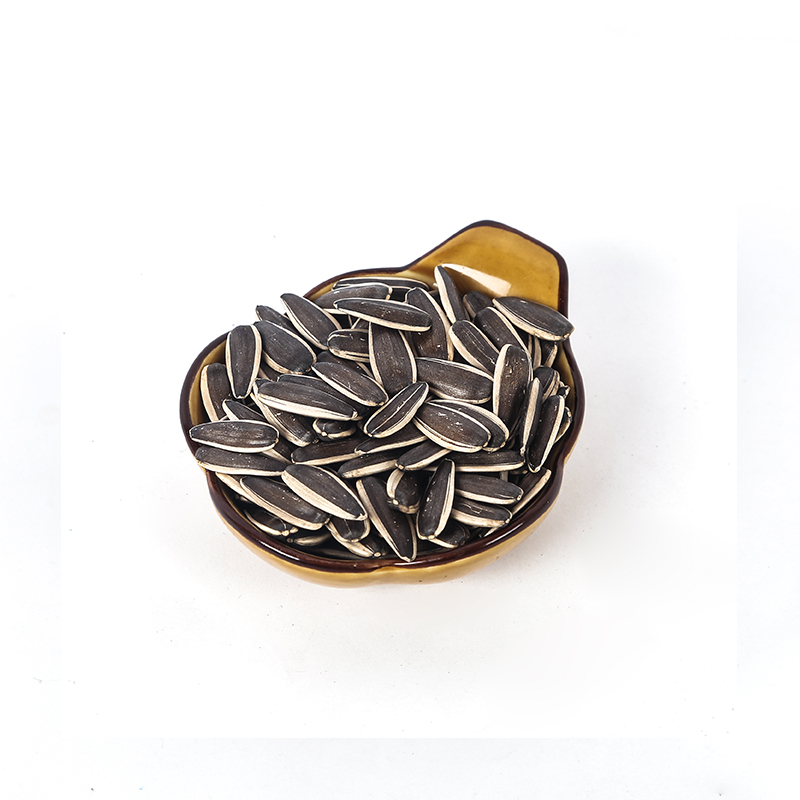
Toasted sunflower seeds represent a significant processed food segment, bridging agricultural production with snack food manufacturing. Their technical position lies within the oleaginous seed processing industry, specifically undergoing a heat-driven transformation to enhance flavor, texture, and shelf stability. The process leverages principles of Maillard reaction chemistry, pyrolytic degradation of lipids, and moisture control. Core performance characteristics include oil content, moisture activity (Aw), roasting uniformity, kernel integrity, and the absence of undesirable flavor compounds like acrolein. These seeds are consumed directly as snacks, utilized as ingredients in baked goods and confectionery, and increasingly explored in plant-based protein applications. A key industry pain point centers around achieving consistent roast profiles while minimizing acrylamide formation and maintaining optimal nutritional value – particularly preserving unsaturated fatty acids and vitamin E.
Material Science & Manufacturing
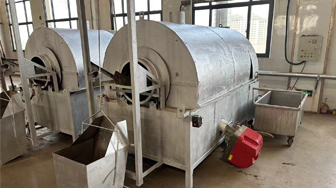
The primary raw material, sunflower seeds ( Helianthus annuus ), are composed of approximately 35-55% oil, 20-30% protein, 10-20% carbohydrate (primarily cellulose in the hull), and 5-10% moisture. The oil is rich in linoleic acid, an omega-6 fatty acid susceptible to oxidation. Manufacturing begins with seed cleaning and grading to remove foreign matter and broken kernels. The crucial step is roasting, typically employing either drum roasters or fluid-bed roasters. Drum roasters utilize conductive heat transfer, requiring careful monitoring of drum speed and temperature to avoid scorching. Fluid-bed roasters employ convective heat transfer using hot air, providing more uniform roasting but requiring precise airflow control. Roasting temperatures generally range from 120°C to 180°C, with durations varying from 15 to 45 minutes depending on seed moisture content and desired roast level. Kernel moisture content prior to roasting is critical; lower moisture content yields a crisper product, but increases the risk of burning. Post-roasting, seeds are typically cooled rapidly to halt the roasting process and prevent over-roasting. Seasoning is then applied, often involving salt, spices, or flavor coatings. Parameter control focuses on precise temperature and airflow management, real-time moisture monitoring, and accurate assessment of color development (using spectrophotometry) to gauge roast level.
Performance & Engineering
Performance evaluation revolves around several key factors. Firstly, force analysis during shell cracking is crucial; a desirable product requires a relatively low force for consumers to access the kernel. This is influenced by roasting parameters, with optimal roasting creating micro-fractures in the shell without shattering the kernel. Environmental resistance focuses on oxidative stability. The unsaturated fatty acids in sunflower seed oil are prone to rancidity when exposed to oxygen, light, and elevated temperatures. Packaging plays a critical role in mitigating oxidation, utilizing materials with low oxygen transmission rates (OTR). Compliance requirements vary by region, including regulations regarding acrylamide levels (established by EFSA and FDA), pesticide residues (set by Codex Alimentarius), and heavy metal content (governed by national food safety standards). Functional implementation, specifically concerning flavored coatings, necessitates understanding adhesion strength and moisture migration rates to ensure uniform coating application and prevent stickiness during storage. Engineering considerations also involve minimizing dust generation during processing and maintaining hygienic conditions to prevent microbial contamination.
Technical Specifications
| Parameter | Unit | Typical Range | Test Method |
|---|---|---|---|
| Oil Content (Dry Basis) | % | 48-58 | AOAC 920.39 |
| Moisture Content | % | 3-6 | AOAC 925.10 |
| Aw (Water Activity) | - | 0.45-0.65 | Water Activity Meter |
| Roast Color (L, a, b) | - | L: 40-60, a: +8 to +12, b: +15 to +20 | Spectrophotometer (CIE Lab) |
| Acrylamide Content | µg/kg | <100 | GC-MS |
| Peroxide Value (Oil) | meq O2/kg | <5 | AOCS Cd 8-53 |
Failure Mode & Maintenance
Failure modes in toasted sunflower seeds fall into several categories. Rancidity is a primary concern, resulting from lipid oxidation, leading to off-flavors and reduced nutritional value. This is accelerated by improper storage (exposure to air, light, and heat). Kernel breakage during processing or handling indicates insufficient shell strength or excessive mechanical stress. Acrolein formation, a volatile aldehyde, is a chemical degradation product resulting from overheating during roasting, imparting a burnt or bitter taste. Coating delamination, if applicable, occurs due to insufficient adhesion between the coating and the kernel surface, often linked to moisture content discrepancies. Maintenance involves strict adherence to good manufacturing practices (GMPs), including regular cleaning of roasting equipment to prevent build-up of residual oils and debris. Proper storage in airtight, opaque containers under cool, dry conditions is essential to minimize oxidation. Roasting profiles should be optimized to balance flavor development with the minimization of acrylamide and acrolein formation. Regular quality control checks, including sensory evaluation, peroxide value testing, and acrylamide analysis, are critical for identifying and addressing potential issues proactively.
Industry FAQ
Q: What is the primary driver for variation in sunflower seed roast color, and how can it be controlled?
A: The primary driver is the Maillard reaction, a complex chemical process between reducing sugars and amino acids, accelerated by heat. Controlling roast color requires precise control of roasting temperature, time, and airflow. Monitoring kernel moisture content before roasting is also critical; lower moisture leads to faster color development. Spectrophotometry using CIE Lab color space provides objective, quantifiable measurements for consistent color attainment.
Q: How does packaging material impact the shelf life of toasted sunflower seeds?
A: Packaging significantly impacts shelf life by controlling oxygen and moisture ingress. Materials with low OTR and water vapor transmission rates (WVTR), such as metallized films or high-barrier plastics, are crucial for preventing rancidity and maintaining crispness. Vacuum packaging or nitrogen flushing further enhances shelf life by displacing oxygen.
Q: What are the key considerations for minimizing acrylamide formation during roasting?
A: Minimizing acrylamide formation involves controlling roasting temperature and time. Lower roasting temperatures and shorter durations generally reduce acrylamide levels. Optimizing kernel moisture content is also important, as lower moisture promotes acrylamide formation. The addition of asparaginase, an enzyme that breaks down asparagine (a precursor to acrylamide), can also be considered.
Q: What analytical methods are used to assess the quality and safety of toasted sunflower seeds?
A: Common analytical methods include oil content determination (AOAC 920.39), moisture content analysis (AOAC 925.10), water activity measurement, peroxide value determination (AOCS Cd 8-53) to assess oxidation, acrylamide analysis (GC-MS), and heavy metal analysis (ICP-MS).
Q: How does the type of roaster (drum vs. fluid-bed) influence the final product quality?
A: Drum roasters provide conductive heat transfer, leading to a more pronounced roast flavor but potentially uneven roasting if not carefully controlled. Fluid-bed roasters offer convective heat transfer, promoting uniform roasting but potentially lacking the same depth of flavor. The choice depends on the desired product profile and production scale.
Conclusion
Toasted sunflower seeds present a complex technical challenge, demanding precise control over material science, manufacturing processes, and quality control parameters. Successfully navigating these complexities requires a thorough understanding of lipid chemistry, heat transfer principles, and adherence to stringent food safety regulations. Maintaining optimal oil quality and minimizing undesirable compounds like acrylamide are paramount concerns for manufacturers.
Future trends point towards advancements in roasting technologies – utilizing microwave or infrared heating for more targeted energy delivery – and innovative packaging solutions incorporating active oxygen scavengers. Furthermore, research into optimizing roasting profiles to maximize nutrient retention, particularly vitamin E and unsaturated fatty acids, will be critical for enhancing the nutritional value of this widely consumed snack food.
