Introduction
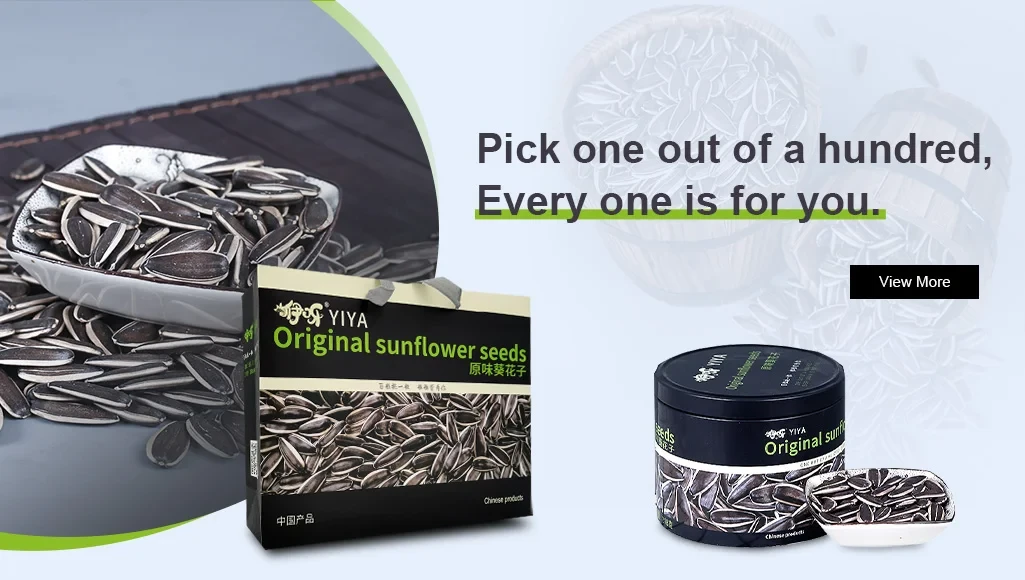
Toasted sunflower seeds represent a significant segment within the snack food and ingredient markets, positioned between primary agricultural production and consumer packaged goods. This technical guide provides a comprehensive analysis of toasted sunflower seeds, encompassing material science, manufacturing processes, performance characteristics, potential failure modes, and relevant industry standards. Sunflower seeds ( Helianthus annuus ) are processed through controlled heating to develop characteristic flavor, texture, and aroma profiles. The degree of toasting significantly impacts the product’s shelf life, nutritional value, and susceptibility to oxidation. Core performance characteristics include moisture content, oil content, color, texture (hardness and friability), and levels of acrylamide – a naturally occurring chemical formed during high-temperature processing. This guide addresses key industry pain points concerning consistency, quality control, and adherence to stringent food safety regulations. Understanding these parameters is crucial for maintaining product integrity throughout the supply chain, from seed sourcing to final packaging.
Material Science & Manufacturing
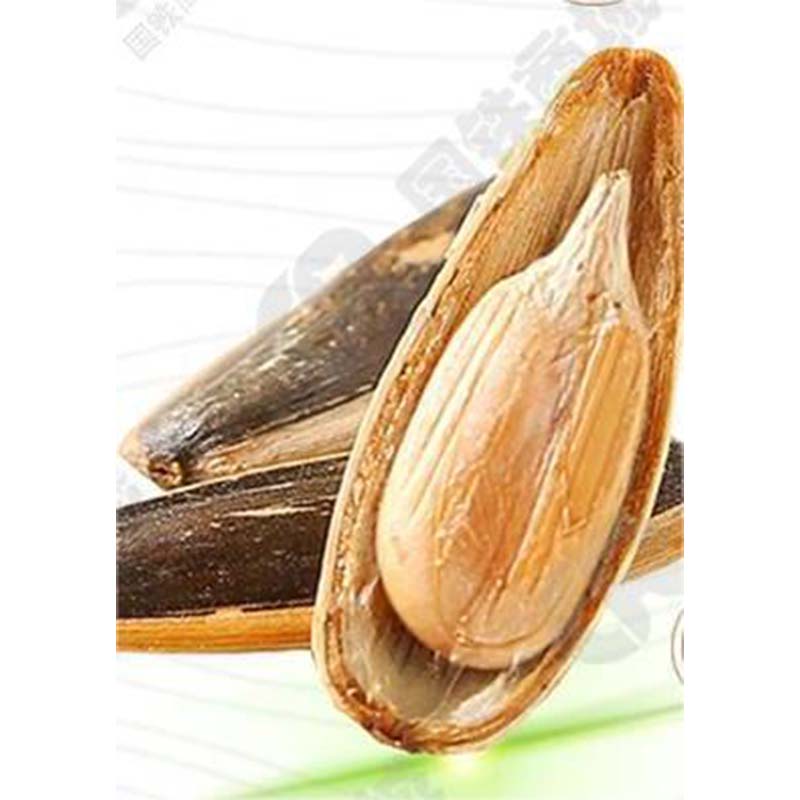
Sunflower seeds comprise a complex matrix of lipids (primarily linoleic and oleic acids, approximately 40-50% by weight), proteins (around 20-25%), carbohydrates (15-20%), and fiber. The shell, or hull, consists primarily of cellulose and lignin, providing a protective barrier. Toasting fundamentally alters these components. The process initiates Maillard reactions between reducing sugars and amino acids, leading to browning and flavor development. Lipid oxidation, while desirable to a degree for flavor, also presents a significant challenge leading to rancidity. Manufacturing typically involves several stages: seed cleaning and grading, dehulling (optional, resulting in ‘in-shell’ versus ‘kernel’ products), drying to a specific moisture content (typically 8-10%), toasting (using hot air, oil, or drum roasters), seasoning (salt, flavorings), and packaging. Key parameters controlled during toasting include temperature (typically 150-180°C), duration (15-30 minutes, dependent on desired roast level), and air velocity. Precise control of these parameters minimizes acrylamide formation while maximizing flavor development. The rate of heat transfer is critical; excessive heat leads to burning and off-flavors, while insufficient heat results in under-toasted seeds. Seed variety also impacts the toasting process; high-oleic varieties exhibit greater oxidative stability compared to linoleic varieties. The moisture content prior to toasting significantly influences the final texture – lower moisture yields a crisper product.
Performance & Engineering
The performance of toasted sunflower seeds is directly related to their physical properties and chemical composition. Force analysis reveals the shell’s resistance to cracking (for in-shell seeds) and the kernel’s hardness, which affects consumer perception of freshness and quality. Environmental resistance primarily concerns moisture absorption and lipid oxidation. Excessive moisture ingress leads to clumping and microbial growth, while lipid oxidation results in rancidity, off-flavors, and reduced nutritional value. Packaging plays a crucial role in mitigating these issues, utilizing barrier materials such as metallized films or high-density polyethylene. Compliance requirements pertain to food safety regulations, including limits on acrylamide, aflatoxins, and pesticide residues. The FDA (Food and Drug Administration) and EFSA (European Food Safety Authority) establish permissible levels for these contaminants. Functional implementation centers around maintaining product characteristics throughout shelf life. This requires precise control of water activity (typically below 0.6) and oxygen permeation rates. Modified atmosphere packaging (MAP) utilizing nitrogen flushing is often employed to minimize oxidation. Furthermore, storage temperature impacts degradation rates; lower temperatures significantly extend shelf life. The mechanical integrity of the packaging is also paramount to prevent breakage and contamination. A critical engineering consideration is the efficient removal of heat generated during toasting, to prevent localized overheating and uneven roasting.
Technical Specifications
| Parameter | Units | Typical Value (Kernel Seeds) | Acceptable Range |
|---|---|---|---|
| Moisture Content | % | 5.0 | 4.0 – 6.0 |
| Oil Content | % | 48 | 45 – 52 |
| Acrylamide | ppm | 50 | < 100 (Regulatory Limit) |
| Peroxide Value (PV) | meq O2/kg | 3.0 | < 5.0 (Indicates Oxidation Level) |
| Water Activity (Aw) | - | 0.55 | 0.50 – 0.60 |
| Kernel Hardness | N | 15 | 10 – 20 |
Failure Mode & Maintenance
Common failure modes in toasted sunflower seeds include rancidity (lipid oxidation), loss of crispness (moisture absorption), shell cracking (mechanical damage), and acrylamide formation exceeding regulatory limits. Rancidity is characterized by off-flavors and odors, resulting from the breakdown of unsaturated fatty acids. This is accelerated by exposure to oxygen, light, and heat. Loss of crispness occurs when seeds absorb moisture from the environment, leading to a soggy texture. Shell cracking can occur during handling and transportation, compromising the product’s aesthetic appeal and potentially leading to contamination. Acrylamide formation is directly related to toasting temperature and duration. Maintenance strategies focus on preventative measures. These include utilizing high-oleic sunflower varieties, employing effective packaging materials with low oxygen permeability, controlling storage temperature and humidity, and implementing rigorous quality control procedures to monitor acrylamide levels. Proper cleaning of processing equipment is also critical to prevent microbial contamination. For in-shell seeds, careful handling during dehulling and grading is essential to minimize shell damage. Regular monitoring of peroxide values provides an indication of oxidative deterioration, allowing for timely corrective action. Implementing a First-In, First-Out (FIFO) inventory system ensures that older batches are used before newer ones, minimizing the risk of spoilage.
Industry FAQ
Q: What are the primary factors influencing acrylamide formation during toasting?
A: Acrylamide formation is primarily influenced by toasting temperature, duration, and the concentration of reducing sugars and asparagine in the sunflower seeds. Higher temperatures and longer toasting times generally lead to increased acrylamide levels. Controlling these parameters, alongside seed variety selection (lower asparagine content), is crucial for minimizing acrylamide formation.
Q: How does seed variety affect the oxidative stability of toasted sunflower seeds?
A: High-oleic sunflower varieties exhibit significantly greater oxidative stability compared to linoleic varieties due to their higher proportion of monounsaturated fatty acids, which are less susceptible to oxidation. Utilizing high-oleic seeds extends shelf life and reduces the risk of rancidity.
Q: What type of packaging is most effective for preserving the quality of toasted sunflower seeds?
A: Packaging materials with low oxygen and moisture permeability are most effective. Metallized films, multi-layer laminates incorporating polyethylene, and Modified Atmosphere Packaging (MAP) with nitrogen flushing are commonly employed to minimize oxidation and maintain crispness. Vacuum packaging can also be used, but can cause seed breakage.
Q: What is the significance of water activity (Aw) in relation to shelf life?
A: Water activity (Aw) is a critical parameter influencing microbial growth and chemical reactions. Maintaining a low Aw (typically below 0.6) inhibits microbial growth and slows down lipid oxidation, thereby extending shelf life. Controlling moisture content during toasting and utilizing moisture-barrier packaging are essential for achieving a low Aw.
Q: How frequently should peroxide values be monitored for quality control purposes?
A: Peroxide values should be monitored at regular intervals throughout the supply chain, including post-toasting, during packaging, and periodically during storage. The frequency of monitoring depends on storage conditions and anticipated shelf life. Regular monitoring provides an early indication of oxidative deterioration, allowing for timely corrective action.
Conclusion
The production of high-quality toasted sunflower seeds hinges on a meticulous understanding of material science, precise process control during manufacturing, and diligent attention to preservation techniques. Maintaining optimal moisture content, controlling toasting parameters to minimize acrylamide formation, and employing effective packaging are paramount for ensuring product safety, extending shelf life, and delivering a consistently desirable sensory experience. Failure to address these technical aspects can result in rancidity, loss of texture, and non-compliance with stringent food safety regulations.
Future advancements in this field will likely focus on optimizing toasting processes through innovative heating technologies, developing novel packaging materials with enhanced barrier properties, and exploring enzymatic treatments to further reduce acrylamide formation. Continuous monitoring of industry standards and adaptation to evolving consumer preferences will be crucial for sustained success in the competitive snack food market. Furthermore, traceability throughout the supply chain, from seed source to finished product, is increasingly important for maintaining consumer trust and ensuring product integrity.
