Introduction
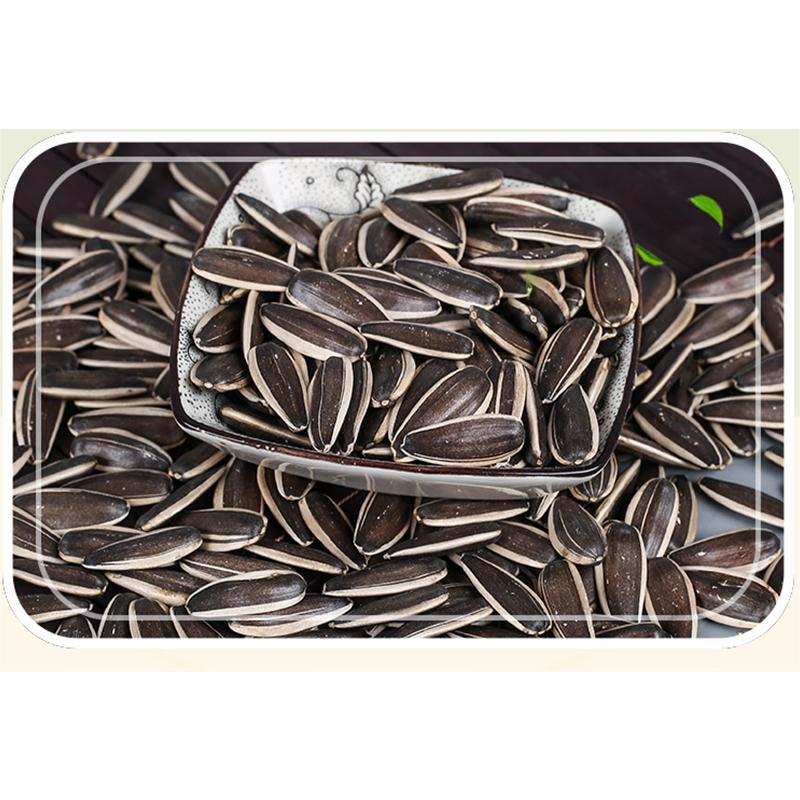
Sunflower seed toasting factories represent a critical juncture within the broader agricultural processing industry, transforming raw sunflower seeds into a commercially viable and palatable snack food. These facilities are characterized by a complex interplay of thermal processing, material handling, quality control, and adherence to stringent food safety regulations. The core function centers around applying controlled heat to sunflower seeds to achieve optimal moisture content, flavor development, and textural characteristics. This process isn't merely about heating; it’s a precise engineering challenge requiring sophisticated equipment and process monitoring. The industry faces ongoing challenges related to maintaining product consistency, minimizing acrylamide formation, ensuring seed integrity, and optimizing energy efficiency. Success depends on a deep understanding of seed physiology, heat transfer principles, and the implications of different roasting profiles on the final product’s quality and shelf life. This guide provides an in-depth technical overview of these factories, encompassing material science, manufacturing processes, performance engineering, and potential failure modes.
Material Science & Manufacturing
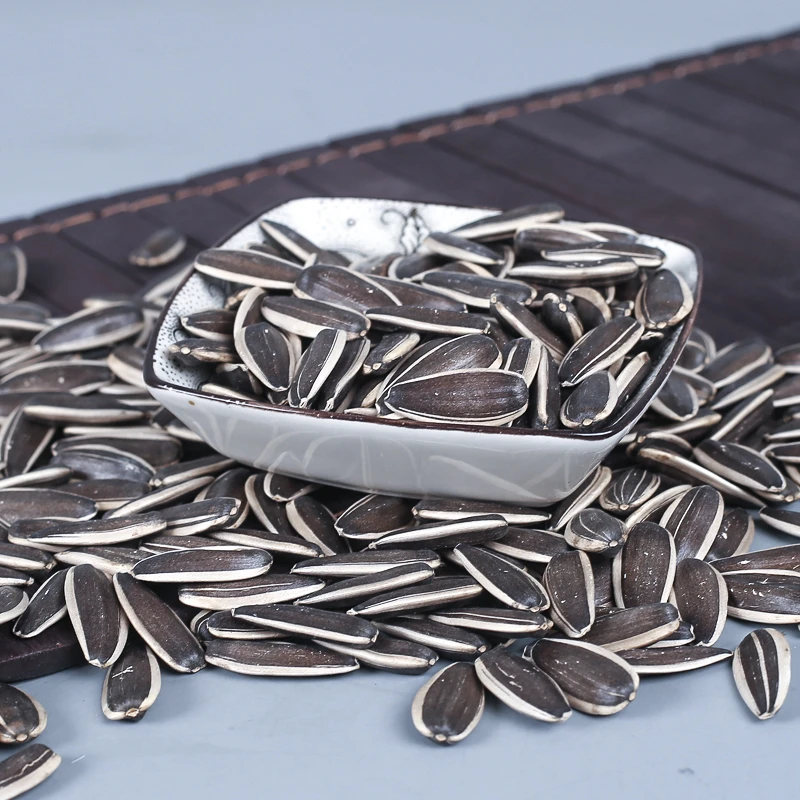
Sunflower seeds consist primarily of oil (40-50%), protein (20-25%), carbohydrates (15-20%), and fiber. The oil composition, dominated by linoleic acid, is crucial for flavor development during roasting. The seed coat, composed largely of cellulose and lignin, provides structural integrity but can also influence moisture transfer and heat penetration. Manufacturing begins with seed cleaning and grading to remove foreign materials and ensure uniform size. The core process is roasting, typically conducted in rotary drum roasters, fluid bed roasters, or continuous band roasters. Rotary drum roasters utilize conduction and convection heat transfer, while fluid bed roasters employ forced hot air. Parameter control is paramount: temperature (140-180°C), residence time (15-30 minutes), and airflow rate directly impact seed quality. Precise temperature control minimizes acrylamide formation (a carcinogenic byproduct) and prevents oil rancidity. Material selection for the roaster itself is critical; stainless steel (304 or 316 grade) is favored for its corrosion resistance and food-grade compatibility. Post-roasting operations include cooling (rapidly to arrest the cooking process), de-hulling (removal of the seed coat), seasoning (application of salt or flavorings), and packaging. De-hulling efficiency is affected by seed coat brittleness, which is directly related to roasting parameters. The mechanical integrity of de-hulling machinery is subject to significant wear due to the abrasive nature of seed hulls, requiring regular maintenance and component replacement. Advanced factories are integrating near-infrared (NIR) spectroscopy for real-time monitoring of oil content and moisture levels during the roasting process, allowing for dynamic adjustment of process parameters.
Performance & Engineering
The performance of a sunflower seed toasting factory is characterized by throughput, roasting uniformity, energy efficiency, and product quality metrics. Heat transfer analysis is fundamental to optimizing roasting processes. Conduction, convection, and radiation contribute to heat delivery within the seed mass. Fourier's Law of Heat Conduction governs heat transfer within the seed, while Newton's Law of Cooling describes heat loss to the surrounding environment. Maintaining consistent temperature distribution within the roaster is crucial to avoid localized overheating and ensure uniform roasting. Environmental resistance considerations include humidity control (to prevent seed clumping and mold growth) and dust control (to minimize explosion hazards). Factories must comply with food safety standards such as Hazard Analysis and Critical Control Points (HACCP) and Good Manufacturing Practices (GMP). Functional implementation involves integrating process control systems (PLC/SCADA) for automated temperature regulation, residence time control, and data logging. The mechanical design of the roaster must account for thermal expansion and contraction of materials. Bearing fatigue in rotary roasters is a common failure point, requiring regular lubrication and inspection. Airflow dynamics within fluid bed roasters significantly influence roasting uniformity; computational fluid dynamics (CFD) simulations are increasingly used to optimize airflow patterns and minimize dead zones.
Technical Specifications
| Parameter | Rotary Drum Roaster | Fluid Bed Roaster | Continuous Band Roaster |
|---|---|---|---|
| Temperature Range (°C) | 140-180 | 150-190 | 160-200 |
| Residence Time (minutes) | 20-30 | 15-25 | 10-20 |
| Airflow Rate (m³/h) | 500-1000 | 1500-2500 | 800-1200 |
| Moisture Content (Input, %) | 10-12 | 10-12 | 10-12 |
| Moisture Content (Output, %) | 2-4 | 2-4 | 2-4 |
| Acrylamide Levels (ppb) | <100 (optimized) | <80 (optimized) | <120 (optimized) |
Failure Mode & Maintenance
Common failure modes in sunflower seed toasting factories include: bearing failure in rotating equipment (due to insufficient lubrication or overloading); heating element burnout (in electric roasters, caused by thermal stress or voltage fluctuations); conveyor belt degradation (resulting from abrasion and temperature extremes); sensor drift (leading to inaccurate temperature readings and process control issues); and cracking of roaster drums (induced by thermal fatigue). Acrylamide formation exceeding regulatory limits represents a process failure, often stemming from excessively high roasting temperatures or prolonged residence times. Maintenance strategies encompass preventative maintenance (scheduled lubrication, inspection of wear parts, calibration of sensors) and predictive maintenance (vibration analysis of rotating equipment, thermal imaging to detect hotspots). Regular cleaning of roasters and dust collection systems is crucial to prevent fire hazards. Seed buildup on internal surfaces can impede heat transfer and compromise product quality. Non-destructive testing (NDT) methods, such as ultrasonic testing, can be used to detect cracks in roaster drums before catastrophic failure occurs. Proper grounding of electrical equipment is essential to prevent electrical shocks and equipment damage. The storage of seeds and finished products must adhere to strict temperature and humidity controls to prevent mold growth and insect infestation.
Industry FAQ
Q: What are the key considerations for minimizing acrylamide formation during sunflower seed roasting?
A: Minimizing acrylamide formation requires precise control over roasting parameters. Lower roasting temperatures (within the 140-180°C range) and shorter residence times are crucial. Reducing free asparagine levels in the seeds through pre-treatment methods, such as blanching, can also be effective. Maintaining optimal moisture content during roasting is vital, as low moisture levels promote acrylamide formation. Regular monitoring of acrylamide levels in the final product is essential for quality control.
Q: How does the choice of roaster type (rotary drum, fluid bed, continuous band) impact product quality?
A: Rotary drum roasters offer excellent heat penetration but may exhibit less uniform roasting due to variations in seed movement. Fluid bed roasters provide more uniform roasting due to the consistent airflow, but may be less suitable for large seed batches. Continuous band roasters are ideal for high-volume production and offer good temperature control, but require precise belt speed regulation.
Q: What are the typical maintenance requirements for a rotary drum roaster?
A: Regular maintenance includes lubricating bearings, inspecting the drum for cracks or wear, cleaning the drum interior to remove seed buildup, and calibrating temperature sensors. Periodic inspection of the drive system and safety guards is also essential. Vibration analysis should be performed to detect bearing wear or imbalances.
Q: What are the critical food safety concerns in a sunflower seed toasting factory?
A: Critical food safety concerns include preventing contamination with foreign materials, controlling microbial growth (mold, bacteria), and minimizing acrylamide formation. Implementing a robust HACCP plan and adhering to GMP standards are crucial. Proper cleaning and sanitation procedures, pest control measures, and temperature monitoring are essential components of a food safety program.
Q: How can energy efficiency be improved in a sunflower seed toasting facility?
A: Energy efficiency can be improved by optimizing roasting parameters to minimize energy consumption, recovering waste heat from exhaust gases (for preheating seeds or water), using energy-efficient motors and drives, and implementing insulation to reduce heat loss. Regular maintenance of equipment to ensure optimal performance also contributes to energy savings.
Conclusion
Sunflower seed toasting factories represent a sophisticated intersection of food science, engineering, and quality control. Achieving optimal product quality and operational efficiency necessitates a thorough understanding of seed physiology, heat transfer principles, and process control methodologies. Precise parameter control, diligent maintenance, and adherence to stringent food safety standards are paramount. The ongoing drive towards sustainability demands a focus on energy efficiency and waste reduction.
Future developments in the industry are likely to focus on advanced process control systems utilizing real-time sensor data and machine learning algorithms for predictive maintenance and optimized roasting profiles. Innovations in seed handling and de-hulling technologies will further enhance throughput and minimize product loss. Continuous improvements in food safety protocols and acrylamide mitigation strategies will remain critical priorities. The integration of circular economy principles, such as utilizing seed hulls for biofuel production, will contribute to a more sustainable and environmentally responsible industry.
