Introduction
Toasted sunflower seeds represent a significant commodity within the global agricultural export market. This technical guide details the critical aspects of quality control, processing parameters, and international standards applicable to exporters of toasted sunflower seeds, serving as a resource for manufacturers and procurement professionals. Sunflower seeds ( Helianthus annuus) are inherently susceptible to lipid oxidation, mycotoxin contamination, and physical damage during processing and storage. Maintaining consistent quality and safety requires precise control over roasting profiles, moisture content, packaging materials, and adherence to stringent food safety regulations. This guide will address these key areas, providing a detailed overview of material science, manufacturing processes, performance metrics, and potential failure modes associated with toasted sunflower seed export.
Material Science & Manufacturing
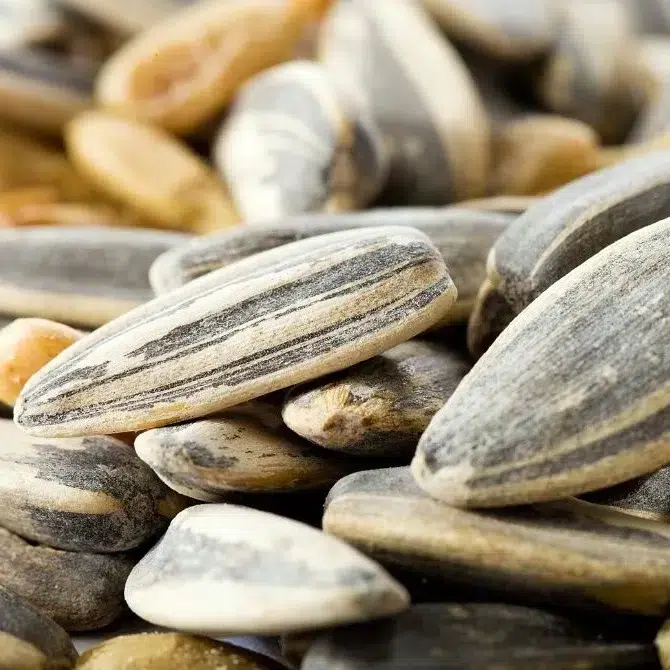
Sunflower seeds consist of approximately 35-50% oil, primarily linoleic acid (a polyunsaturated fatty acid), 20-25% protein, and 15-20% carbohydrate. The shell, or hull, contributes 20-30% of the seed’s weight and is comprised of cellulose and lignin. Roasting induces Maillard reactions, contributing to flavor development and color change, but also initiating lipid oxidation. Manufacturing begins with seed selection, typically employing density separators to remove damaged or immature seeds. Pre-treatment may involve cleaning, dehulling (optional, depending on market preference), and grading. The core process is roasting, commonly executed using continuous or batch roasters. Continuous roasters employ hot air or indirect heating, providing uniform temperature control. Batch roasters offer flexibility but require more precise monitoring. Critical parameters include roasting temperature (120-180°C), roasting time (15-45 minutes), and airflow rate. Temperature control is paramount; excessively high temperatures lead to acrylamide formation and scorching, while insufficient temperatures result in incomplete roasting and potential microbial growth. Following roasting, seeds are often seasoned with salt or other flavorings, cooled rapidly to halt enzymatic activity, and packaged. Maintaining a low moisture content (<3%) post-roasting is crucial for shelf life extension and prevention of fungal contamination. Proper material handling throughout the process is essential to minimize physical damage (cracking, breakage) which can accelerate oxidation and reduce perceived quality.
Performance & Engineering
The performance of toasted sunflower seeds, from a logistical and quality perspective, is dictated by several engineering parameters. Mechanical strength, measured by resistance to cracking during handling and transport, is critical. This is directly related to roasting conditions; seeds roasted to higher moisture content are more brittle. Barrier properties of packaging materials are paramount to prevent oxygen ingress, which accelerates lipid oxidation and rancidity. Permeability to oxygen, water vapor, and light must be minimized. Packaging material selection (e.g., multilayer films incorporating aluminum foil or metallized polyester) directly impacts shelf life. Heat transfer efficiency during cooling is also important; rapid cooling minimizes residual heat and enzymatic activity. Hygroscopic behavior must be considered; toasted seeds readily absorb moisture from the environment, necessitating the use of desiccants in packaging for long-term storage. Furthermore, compliance with food safety regulations (see Section 7) necessitates adherence to HACCP principles and rigorous control of critical control points throughout the entire process, from raw material sourcing to final packaging. Environmental resistance encompasses temperature stability during transport and storage, ensuring that the seeds do not undergo undesirable changes in texture, flavor, or nutritional value due to temperature fluctuations.
Technical Specifications
| Parameter | Unit | Specification | Test Method |
|---|---|---|---|
| Moisture Content | % | ≤ 3.0 | AOAC 925.10 |
| Oil Content | % | 40-50 | Soxhlet Extraction (AOAC 920.39) |
| Free Fatty Acid (FFA) | % as Oleic Acid | ≤ 0.2 | Titration (AOCS Cd 3-63) |
| Peroxide Value (PV) | meq O2/kg | ≤ 5.0 | Titration (AOCS Cd 8-53) |
| Aw (Water Activity) | - | ≤ 0.6 | Water Activity Meter |
| Foreign Matter | % | ≤ 1.0 | Visual Inspection |
Failure Mode & Maintenance
Toasted sunflower seeds are prone to several failure modes. Rancidity due to lipid oxidation is a primary concern, manifested as off-flavors and odors. This is accelerated by exposure to oxygen, light, and elevated temperatures. Mycotoxin contamination (e.g., aflatoxins) can occur if seeds are improperly stored or harvested from mold-infected crops. Physical damage (cracking, breakage) compromises product appearance and increases surface area for oxidation. Acrylamide formation can occur during high-temperature roasting. Insect infestation represents a biological failure mode requiring stringent pest control measures. Maintenance strategies include: implementing strict quality control procedures for raw material sourcing; optimizing roasting profiles to minimize lipid oxidation and acrylamide formation; utilizing oxygen-barrier packaging materials; maintaining proper storage conditions (cool, dry, dark); regular monitoring of moisture content and FFA/PV values; implementing a robust pest management program; and conducting periodic mycotoxin testing. Packaging integrity must be regularly inspected to ensure effective barrier properties. Proper cleaning and sanitation of processing equipment are essential to prevent microbial contamination.
Industry FAQ
Q: What is the optimal moisture content for long-term storage of toasted sunflower seeds?
A: The optimal moisture content for long-term storage is consistently below 3.0%. Higher moisture levels significantly accelerate enzymatic activity, lipid oxidation, and microbial growth, leading to reduced shelf life and potential product spoilage. Desiccants should be considered within the packaging to further mitigate moisture uptake during transit and storage.
Q: How does roasting temperature impact acrylamide formation?
A: Acrylamide formation is directly correlated to roasting temperature and time. Higher temperatures and longer roasting durations increase acrylamide levels. Optimizing the roasting profile to minimize acrylamide while achieving adequate roasting is crucial. This often involves balancing temperature and time, and potentially utilizing roasting aids to enhance Maillard reactions at lower temperatures.
Q: What are the key considerations for packaging material selection to prevent rancidity?
A: The primary consideration is the oxygen barrier properties of the packaging material. Materials with low oxygen permeability, such as multilayer films incorporating aluminum foil or metallized polyester, are essential. Light protection is also important. The packaging should be hermetically sealed to prevent oxygen ingress. Modified Atmosphere Packaging (MAP) with nitrogen flushing can further reduce oxygen levels within the package.
Q: What tests are commonly performed to assess the quality of exported toasted sunflower seeds?
A: Common tests include moisture content analysis (AOAC 925.10), oil content determination (Soxhlet extraction), free fatty acid (FFA) analysis (AOCS Cd 3-63), peroxide value (PV) measurement (AOCS Cd 8-53), water activity (Aw) determination, visual inspection for foreign matter, and mycotoxin testing (e.g., aflatoxin analysis using ELISA or HPLC).
Q: What is the role of HACCP in ensuring the safety of toasted sunflower seed exports?
A: Hazard Analysis and Critical Control Points (HACCP) is a systematic preventative approach to food safety. It involves identifying potential hazards (biological, chemical, physical) throughout the processing chain, establishing critical control points (CCPs) where hazards can be controlled, setting critical limits, implementing monitoring procedures, establishing corrective actions, and maintaining records. A well-implemented HACCP plan is essential for ensuring the safety and regulatory compliance of toasted sunflower seed exports.
Conclusion
The successful export of toasted sunflower seeds hinges on meticulous control over the entire process, from raw material sourcing to final packaging. Understanding the material science underpinning seed quality, optimizing roasting parameters to balance flavor development and minimize degradation, and adhering to stringent quality control standards are paramount. Selection of appropriate packaging materials to preserve product integrity and ensure compliance with international regulations is equally crucial.
Continued investment in process optimization, rigorous testing protocols, and a commitment to food safety principles are vital for maintaining a competitive advantage in the global market. Future advancements in packaging technology, such as active packaging incorporating oxygen scavengers, may further extend shelf life and enhance product quality. Regular evaluation of emerging regulations and industry best practices is also essential for long-term sustainability.
