Introduction
Toasted sunflower seeds represent a significant commodity within the global food processing and snack food industries. This technical guide details the intricacies of sunflower seed toasting for export, focusing on the critical parameters influencing quality, shelf-life, and adherence to international trade standards. Sunflower seeds ( Helianthus annuus ) are primarily sourced for their oil content, but the kernels remaining after oil extraction, or whole seeds, undergo toasting to enhance flavor, improve texture, and increase palatability. The process isn't merely flavour development; it's a complex series of physicochemical transformations impacting the seeds' nutritional value, oxidative stability, and susceptibility to microbial growth. This guide will dissect each stage of the toasting process, from raw material sourcing and preparation to quality control and packaging, geared towards B2B industrial exporters catering to demanding international markets. The critical need is consistent product quality, coupled with demonstrable compliance to food safety regulations.
Material Science & Manufacturing
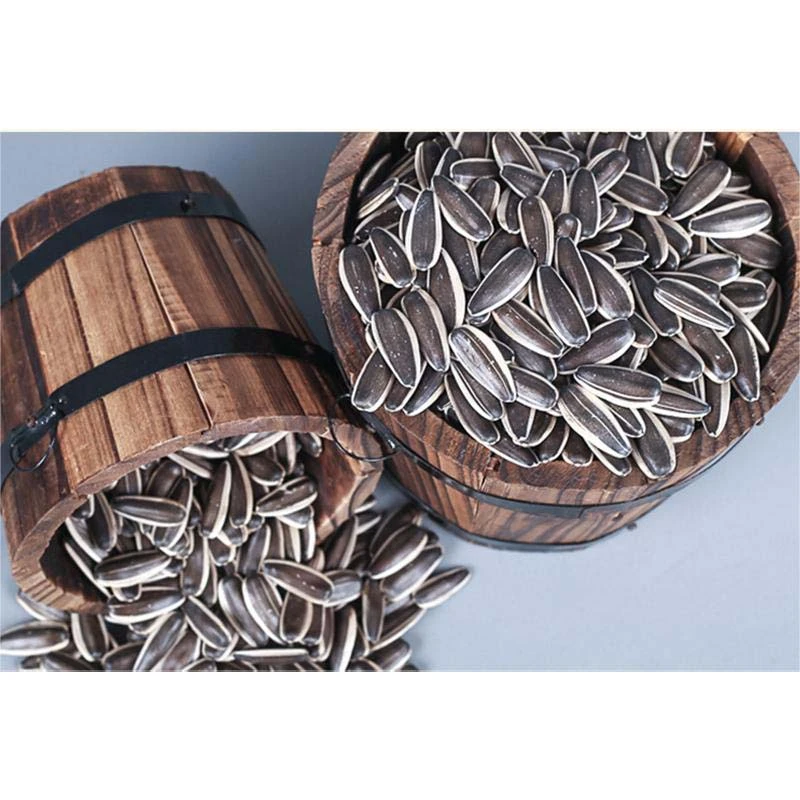
The raw material, sunflower seeds, comprises a hull (pericarp) approximately 30-40% by weight, the kernel containing the oil and protein, and a seed coat. Kernels typically contain 40-55% oil, 20-30% protein, 10-20% carbohydrates, and 5-10% moisture. Raw seed quality significantly impacts the toasting process. Moisture content (typically 8-12% upon receipt) must be uniform as variations lead to uneven toasting. The oil composition, predominantly linoleic acid (a polyunsaturated fatty acid), is central to flavor development but also prone to oxidation. Manufacturing involves cleaning (removal of debris, stones, and foreign materials), dehulling (optional, depending on the end product - in-shell or kernel), and finally, toasting. Toasting is typically achieved via hot air ovens, rotary drum toasters, or fluid bed toasters. Critical parameters include temperature (140-180°C is common, but varies with desired roast level), toasting time (15-45 minutes), and air velocity. Precise control of these variables is paramount. Over-toasting leads to rancidity and acrylamide formation; under-toasting yields a bland, undesirable product. Equipment materials of construction (typically stainless steel 304/316) must be food-grade and corrosion-resistant to prevent metal contamination. Post-toasting, seeds are often seasoned (salt, spices) and cooled rapidly to halt the cooking process and minimize moisture regain.
Performance & Engineering
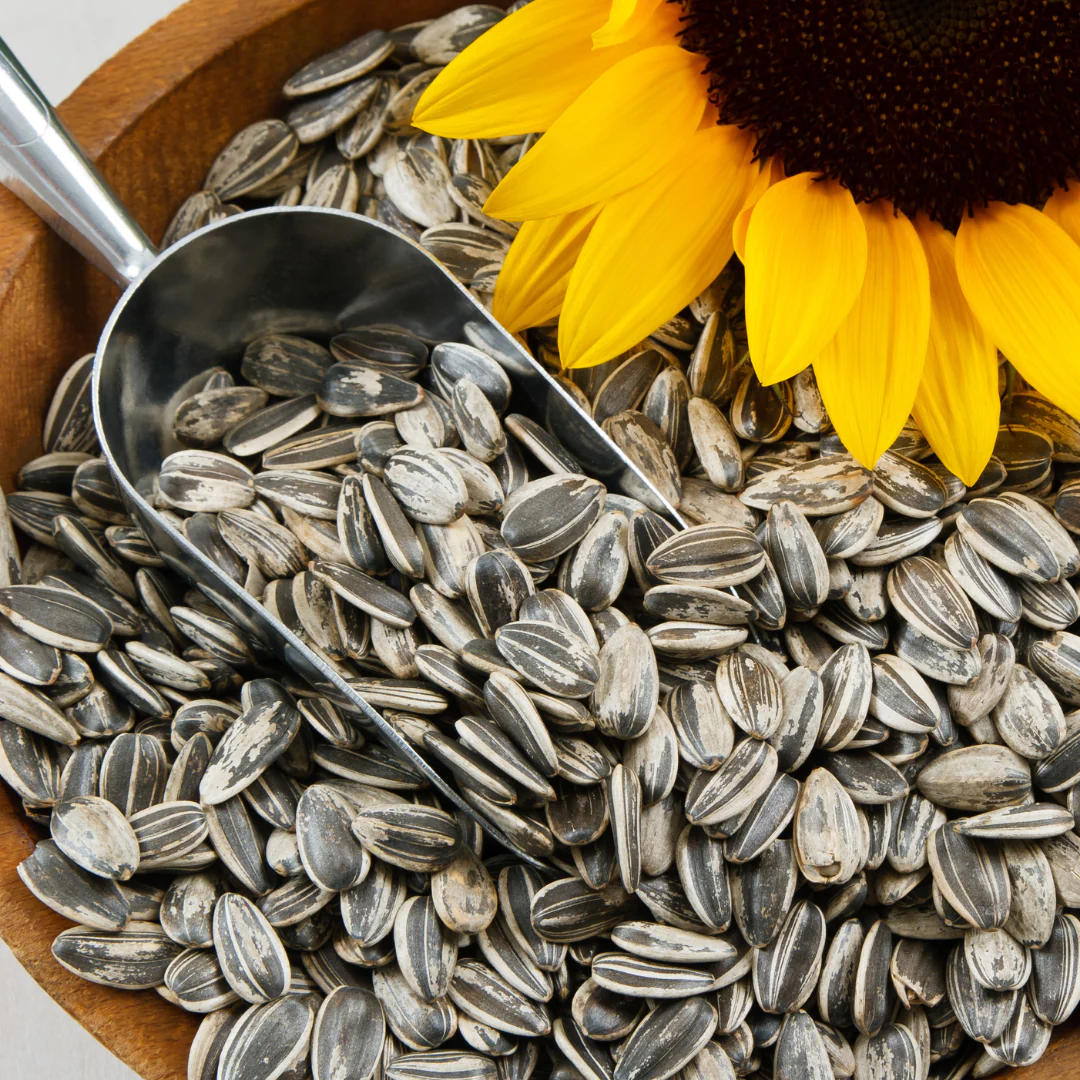
The performance of toasted sunflower seeds, from an engineering perspective, centers on heat transfer, mass transfer (moisture removal), and the Maillard reaction. Heat transfer governs the rate of temperature increase within the seed, influencing the degree of starch gelatinization and protein denaturation, crucial for texture development. Moisture removal is equally vital; optimal moisture content post-toasting is typically 2-4%. Insufficient drying encourages microbial growth, while excessive drying leads to brittleness and cracking. The Maillard reaction, a non-enzymatic browning reaction between reducing sugars and amino acids, is responsible for the characteristic toasted flavor and aroma. Engineering considerations include oven design to ensure uniform air distribution, precise temperature control systems (PID controllers are standard), and automated seed handling to minimize breakage and dust generation. Furthermore, packaging must protect against moisture ingress and oxygen exposure (see section 5). Force analysis pertains to the seeds' resistance to cracking during handling and shipping; kernel size, roast level, and moisture content all affect this. Compliance requirements (FDA, EFSA, local food safety authorities) necessitate rigorous monitoring of process parameters and HACCP implementation.
Technical Specifications
| Parameter | Specification (Standard) | Specification (Premium) | Testing Method |
|---|---|---|---|
| Moisture Content | ≤ 4.0% | ≤ 3.0% | Oven Drying (AOAC 925.10) |
| Oil Content | ≥ 48.0% (dry basis) | ≥ 50.0% (dry basis) | Soxhlet Extraction (AOAC 920.39) |
| Free Fatty Acid (FFA) | ≤ 0.5% | ≤ 0.3% | Titration (AOCS Cd 3-63) |
| Peroxide Value (PV) | ≤ 5.0 meq O2/kg | ≤ 3.0 meq O2/kg | Titration (AOCS Cd 8-53) |
| Kernel Damage (%) | ≤ 3.0% | ≤ 1.0% | Visual Inspection |
| Foreign Matter (%) | ≤ 1.0% | ≤ 0.5% | Visual Inspection |
Failure Mode & Maintenance
Failure modes in toasted sunflower seeds can be broadly categorized as chemical, physical, and biological. Chemical failures include rancidity due to lipid oxidation (resulting in off-flavors and odors) – exacerbated by high temperatures, light exposure, and oxygen presence. Acrylamide formation, a potential carcinogen, is also a concern with high-temperature toasting. Physical failures involve cracking and breakage during handling/shipping, often due to insufficient moisture content or excessive impact forces. Biological failures are primarily caused by microbial contamination (molds, yeasts, bacteria) requiring strict hygiene controls and proper moisture management. Preventative maintenance of toasting equipment is crucial. This includes regular cleaning of ovens/drum toasters to prevent buildup of seed residue (a fire hazard and source of contamination), inspection and replacement of heating elements, calibration of temperature sensors, and lubrication of moving parts. Regular monitoring of seed quality (FFA, PV) is essential for identifying early signs of degradation. Packaging materials should be inspected for integrity (seal strength, barrier properties). A robust root cause analysis system should be implemented to address recurring failures and improve process control. Proper storage (cool, dry, dark conditions) is paramount for extending shelf-life.
Industry FAQ
Q: What is the optimal moisture content for sunflower seeds prior to toasting to ensure consistent results?
A: The optimal moisture content before toasting is typically between 8-12%. Seeds with significantly lower moisture are prone to burning and uneven cooking, while those with higher moisture require extended toasting times and may develop a gummy texture. Accurate moisture measurement using a calibrated moisture analyzer is critical.
Q: How do you mitigate the risk of acrylamide formation during the toasting process?
A: Acrylamide formation is temperature-dependent. Lowering the toasting temperature, shortening the toasting time, and optimizing the sugar/amino acid profile of the seeds (through cultivar selection or pre-treatment) can help reduce acrylamide levels. Regular monitoring and testing are also essential.
Q: What packaging materials are recommended to maintain product freshness and prevent rancidity?
A: Multi-layer packaging materials with high barrier properties against oxygen, moisture, and light are recommended. Typically, this involves an inner layer of metallized polyester (PET) or aluminum foil laminated to polyethylene (PE) or polypropylene (PP). Vacuum packaging or modified atmosphere packaging (MAP) with nitrogen flushing can further extend shelf-life.
Q: What are the key quality control tests performed on toasted sunflower seeds before export?
A: Key tests include moisture content, oil content, free fatty acid (FFA) value, peroxide value (PV), kernel damage assessment, foreign matter inspection, and acrylamide testing. Microbiological testing for Salmonella, E. coli, and other relevant pathogens is also crucial.
Q: How does the seed variety (cultivar) affect the toasting process and final product quality?
A: Different sunflower seed cultivars vary in oil content, protein content, carbohydrate profile, and hull thickness. These variations influence the toasting time, temperature, flavor development, and texture of the final product. Selecting cultivars specifically bred for roasting is advantageous for consistent quality.
Conclusion
The production of high-quality toasted sunflower seeds for export demands a sophisticated understanding of material science, engineering principles, and stringent quality control procedures. Successfully navigating this process requires precise control of toasting parameters, diligent maintenance of equipment, and robust packaging solutions to protect against degradation. Maintaining consistency in moisture content, optimizing toasting temperatures to minimize undesirable compounds like acrylamide, and accurate monitoring of critical quality parameters (FFA, PV) are non-negotiable.
Future advancements in toasting technology are likely to focus on continuous monitoring and adaptive control systems that dynamically adjust parameters based on real-time seed characteristics. Furthermore, innovations in packaging materials offering enhanced barrier properties and active scavenging systems to absorb oxygen and moisture will be crucial for extending shelf-life and meeting increasingly demanding consumer expectations. Investing in research and development to improve cultivar selection and optimize pre-treatment methods will further enhance product quality and process efficiency.
