Introduction
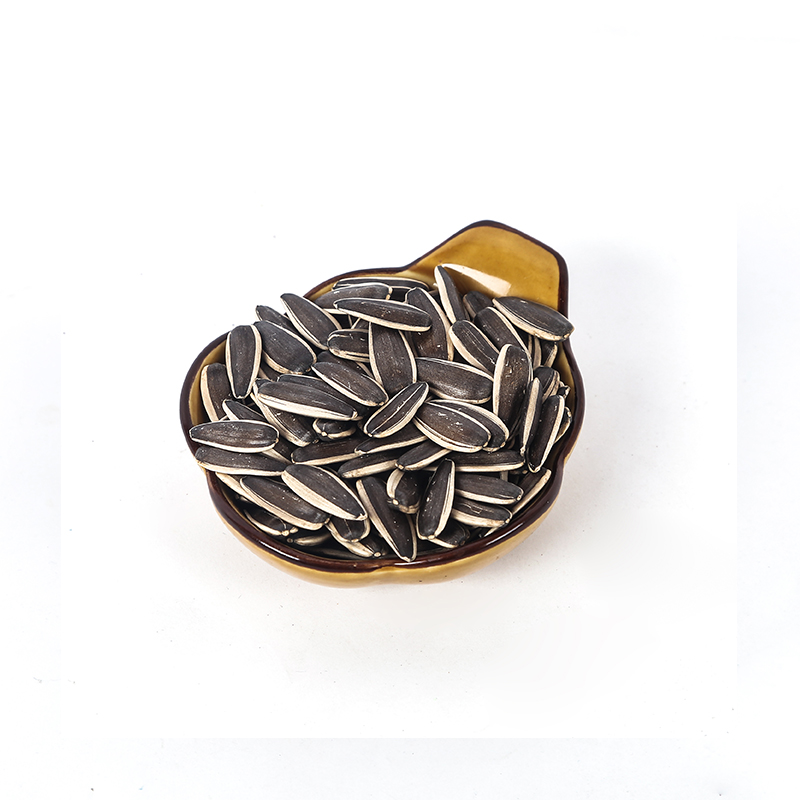
Roasted unsalted sunflower seeds are a globally traded commodity, primarily utilized as a snack food and increasingly as an ingredient in confectionary, baking, and specialized food formulations. Suppliers operate within a complex agricultural and processing chain, demanding stringent quality control and adherence to food safety standards. This guide details the material science, manufacturing processes, performance characteristics, potential failure modes, and relevant industry regulations governing the supply of roasted unsalted sunflower seeds, serving as a comprehensive technical resource for procurement professionals and quality assurance engineers. The core performance attributes defining product suitability are kernel size, oil content, moisture levels, absence of foreign matter, and consistent roasting profiles delivering specific flavor and texture parameters. Supply chain volatility – influenced by climate, geopolitical factors affecting sunflower growing regions (primarily Eastern Europe and Russia), and processing capacity – represents a key industry pain point. This document provides critical insight into mitigating these risks through detailed understanding of the product’s technical parameters.
Material Science & Manufacturing
Sunflower seeds ( Helianthus annuus) are composed primarily of lipid (40-50%), protein (20-25%), carbohydrates (15-20%), and fiber (5-10%), with minor components including vitamins, minerals, and antioxidants. The lipid fraction consists predominantly of linoleic acid (omega-6) and oleic acid (omega-9), impacting oxidative stability. Raw seeds possess a moisture content of approximately 10-15%. Manufacturing begins with harvesting and initial drying to reduce moisture content to 8-9%, preventing mold growth during storage. Dehulling removes the outer pericarp, often mechanically, impacting kernel yield and integrity. Roasting, typically conducted at 140-180°C (284-356°F) for 15-30 minutes, develops flavor through Maillard reaction and caramelization of sugars. Precise temperature control is critical; under-roasting results in bland flavor and suboptimal texture, while over-roasting leads to bitterness and acrylamide formation. The absence of salt in this specification requires meticulous cleaning to remove residual hull fragments and debris post-roasting. Parameter control focuses on moisture content (target 2-3% post-roasting), oil oxidation levels (measured via Peroxide Value), and the absence of aflatoxins (regulated under food safety standards). Packaging employs moisture barrier materials (typically multilayer films) to maintain low moisture levels and prevent rancidity.
Performance & Engineering
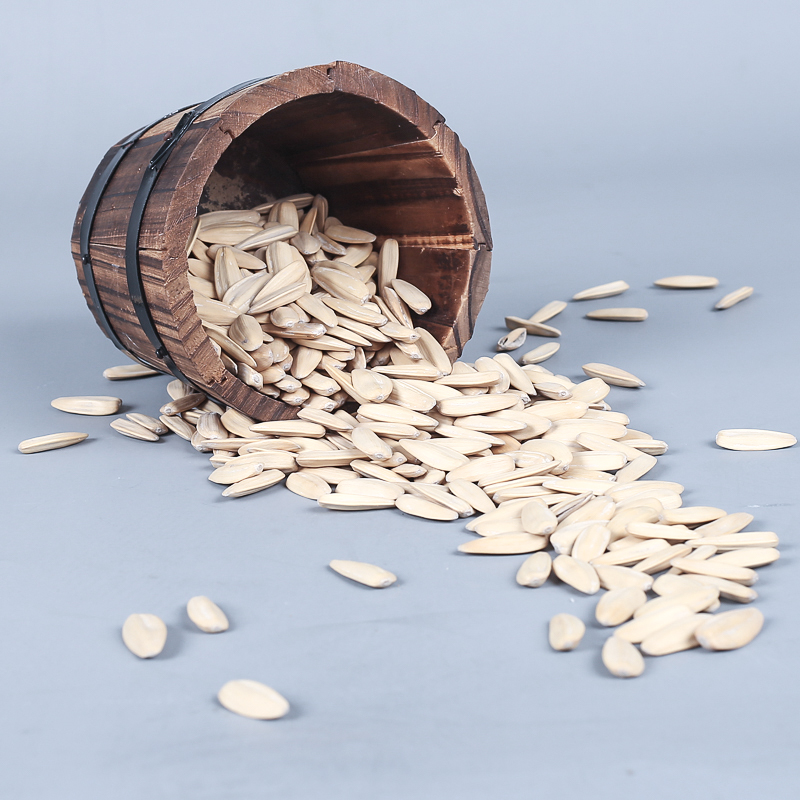
Performance is assessed based on several key parameters. Moisture Content dictates shelf life and susceptibility to microbial growth; levels exceeding 3% significantly reduce stability. Oil Content & Fatty Acid Profile influence flavor and nutritional value, requiring chromatographic analysis for verification. Kernel Integrity – the percentage of whole, unbroken kernels – is a critical visual quality attribute. Aflatoxin Levels must be strictly controlled, typically below 4 ppb as mandated by regulatory bodies. Peroxide Value (PV), a measure of lipid oxidation, must remain below acceptable limits (typically <5 meq/kg) to prevent rancidity. Foreign Material Content (dust, hull fragments, stones) is rigorously controlled through optical sorting and sieving. Roast Degree, evaluated organoleptically and via colorimetry, determines flavor development and texture. Engineering considerations focus on equipment maintenance for roasting lines to ensure consistent temperature profiles and prevent hot spots leading to burnt kernels. Storage facilities require climate control (temperature and humidity) to mitigate degradation. Compliance with food safety regulations (HACCP, GMP) is paramount, demanding robust process controls and traceability systems.
Technical Specifications
| Parameter | Specification | Test Method | Acceptance Criteria |
|---|---|---|---|
| Moisture Content | ≤ 3.0% | Oven Drying (AOAC 925.10) | Visual Inspection & Analytical Result |
| Oil Content | 40-50% (Dry Basis) | Soxhlet Extraction (AOAC 920.39) | Analytical Result within Range |
| Kernel Integrity | ≥ 95% Whole Kernels | Visual Sorting (Manual/Optical) | Visual Inspection – Minimal Broken Kernels |
| Aflatoxin B1, B2, G1, G2 (Total) | ≤ 4 ppb | HPLC-Fluorescence (AOAC 999.09) | Analytical Result below Limit |
| Peroxide Value | ≤ 5 meq/kg | Titration (AOCS Cd 8-53) | Analytical Result within Range |
| Foreign Material | ≤ 0.1% | Visual Inspection & Sieving | Visual Inspection – Absence of visible foreign matter |
Failure Mode & Maintenance
Common failure modes include rancidity due to lipid oxidation, accelerated by high temperatures and moisture. This manifests as an off-flavor and odor. Aflatoxin contamination represents a serious food safety hazard, potentially stemming from improper storage of raw seeds. Kernel breakage during processing reduces aesthetic appeal and can increase dust formation. Moisture uptake during storage leads to softening of kernels and promotes microbial growth. Color degradation due to prolonged storage or exposure to light diminishes visual quality. Acrylamide formation during over-roasting presents a potential health risk. Maintenance involves regular cleaning and inspection of roasting equipment to prevent uneven heating and ensure optimal temperature control. Storage facilities must be routinely monitored for temperature, humidity, and pest control. Packaging materials should be inspected for integrity to ensure effective moisture barrier properties. Implementation of a robust HACCP plan, including regular sampling and testing for aflatoxins and peroxide value, is crucial for preventing failures and ensuring product safety. Preventative maintenance on dehulling equipment reduces kernel damage.
Industry FAQ
Q: What are the critical factors impacting the shelf life of unsalted roasted sunflower seeds?
A: The primary factors are moisture content, lipid oxidation (Peroxide Value), and packaging integrity. Maintaining a low moisture content (≤ 3%) and minimizing lipid oxidation through proper roasting control and packaging with effective oxygen and moisture barriers are essential. Regular monitoring of Peroxide Value throughout the shelf life is recommended.
Q: How do you ensure the absence of aflatoxins in your sunflower seeds?
A: We implement a rigorous supplier qualification program that includes aflatoxin testing of raw seeds. During processing, we employ best practices for handling and storage to minimize contamination risk. Finished product is routinely tested using HPLC-Fluorescence to ensure compliance with regulatory limits (typically ≤ 4 ppb).
Q: What is the acceptable range for kernel breakage, and how is it measured?
A: Our specification requires ≥95% whole kernels. Kernel breakage is assessed visually through manual sorting and/or automated optical sorting, with a representative sample inspected to determine the percentage of broken or damaged kernels.
Q: Can you describe your quality control process for monitoring roast degree?
A: Roast degree is evaluated both organoleptically (taste and aroma assessment by trained personnel) and instrumentally using colorimetry to measure kernel color. We maintain detailed roasting profiles and regularly monitor temperature and time parameters to ensure consistency.
Q: What packaging materials do you recommend to maximize product freshness?
A: We recommend multilayer films incorporating a metalized layer (e.g., aluminum foil) and a polyethylene layer for moisture barrier properties. The film should also be oxygen-impermeable to minimize lipid oxidation. Packaging should be sealed tightly to prevent moisture ingress.
Conclusion
The consistent supply of high-quality roasted unsalted sunflower seeds hinges upon meticulous control of material science principles and adherence to stringent manufacturing processes. Understanding the interplay between lipid chemistry, moisture management, and potential contaminants – like aflatoxins – is paramount for ensuring product safety and extending shelf life. Suppliers must prioritize robust quality control systems, encompassing raw material sourcing, processing parameters, and packaging integrity.
Future trends in the industry will likely focus on sustainable sourcing practices, optimized roasting technologies to minimize acrylamide formation, and innovative packaging solutions enhancing barrier properties and recyclability. Continuous improvement in analytical techniques for rapid and accurate detection of contaminants will also be critical. Collaboration between suppliers, processors, and regulatory bodies will be essential for maintaining the integrity and quality of this globally traded commodity.
