Introduction
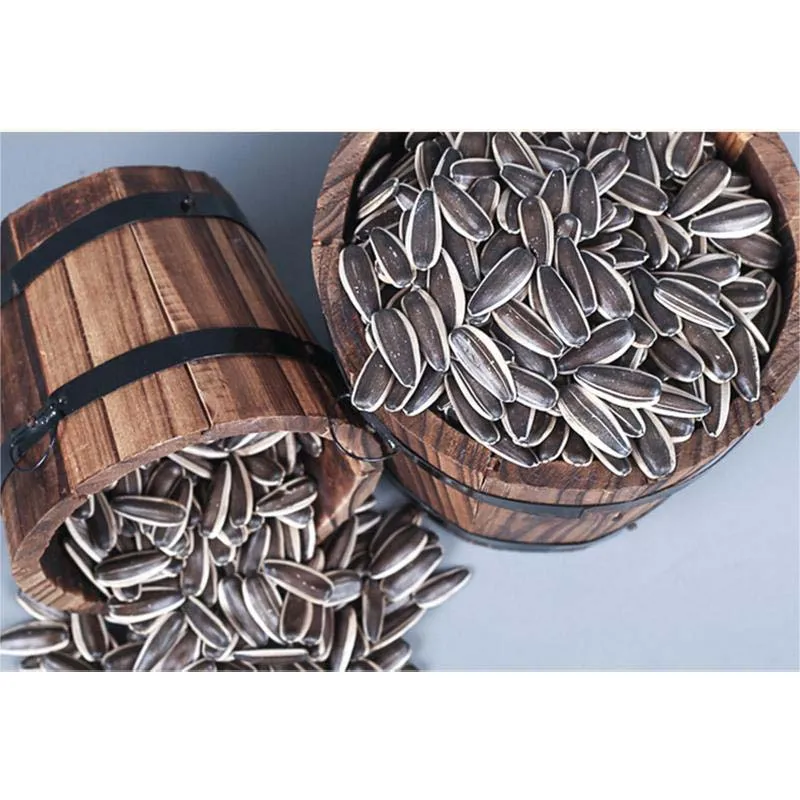
Roasted unsalted sunflower seeds represent a significant commodity within the global snack food and ingredient supply chains. This technical guide details the critical parameters governing the production, quality control, and performance characteristics relevant to a sunflower seeds roasted unsalted supplier. The industry faces growing demand for consistent kernel quality, minimal processing damage, extended shelf-life, and adherence to stringent food safety regulations. Sunflower seeds, Helianthus annuus, are valued for their protein content, healthy fats, and versatility. The roasting process, specifically in the absence of salt, demands precise control to achieve optimal flavor development and textural characteristics without inducing lipid oxidation or acrylamide formation. This guide provides a comprehensive overview for procurement managers, quality control engineers, and technical staff involved in the sourcing and application of this product.
Material Science & Manufacturing
The raw material, sunflower seed kernels, exhibits inherent variability in oil content (34-42% by weight), protein composition (18-24%), and moisture content (6-10%). Kernel size and shape also influence processing parameters. Manufacturing begins with seed dehulling and cleaning to remove foreign matter. Roasting is typically conducted using continuous or batch roasters, employing hot air or conduction heating. Key parameters include roasting temperature (140-180°C), roasting time (20-40 minutes), and airflow rate. Temperature control is crucial to prevent scorching and maintain optimal flavor development. The Maillard reaction, responsible for the characteristic roasted flavor, is highly temperature-dependent. Following roasting, the seeds are cooled rapidly to halt the reaction and preserve quality. Kernel integrity is a primary concern; excessive heat or mechanical stress during processing can lead to fractured kernels, increasing susceptibility to rancidity. Chemical compatibility considerations include avoiding contact with reactive metals that could catalyze oxidation. The packaging material must provide an effective barrier to oxygen and moisture.
Performance & Engineering
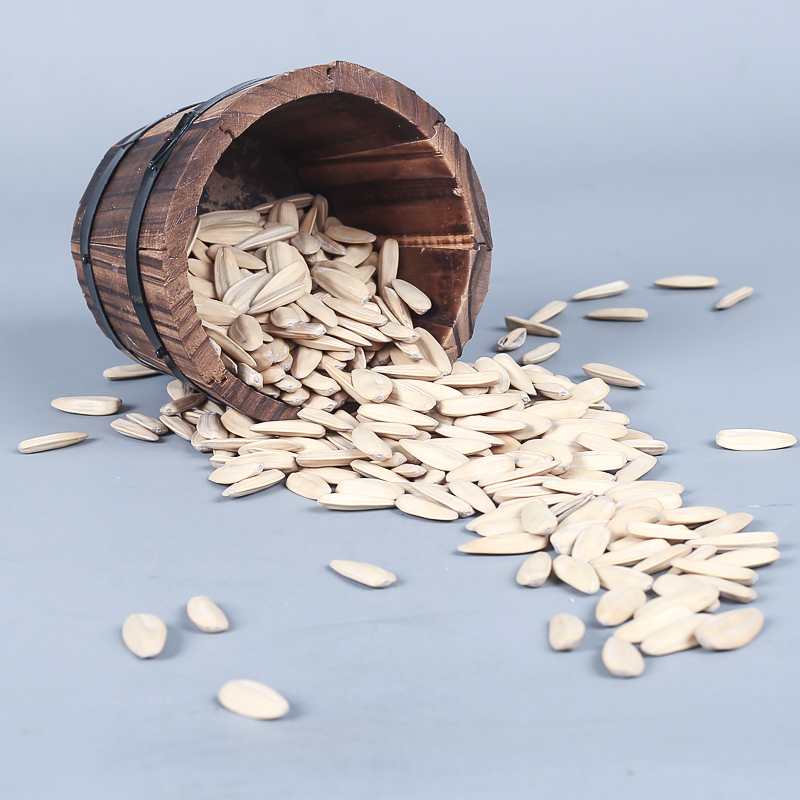
Performance evaluation focuses on several key areas. Water activity (Aw) is a critical parameter influencing microbial stability, ideally maintained below 0.6. Peroxide value (PV) measures the extent of lipid oxidation, with lower values indicating greater freshness. Acrylamide levels, a byproduct of the Maillard reaction, must comply with regulatory limits. Kernel hardness, measured using a penetrometer, impacts texture and consumer acceptability. Shear force analysis assesses the force required to fracture a kernel, providing insight into processing-induced damage. Packaging engineering considerations include barrier properties (oxygen transmission rate - OTR, water vapor transmission rate - WVTR) to prevent rancidity and maintain crispness. The packaging material must also withstand the rigors of handling and transportation. Furthermore, the design must facilitate proper sealing to ensure a hermetic environment. Force analysis of packaging during transport simulations is crucial to prevent kernel breakage.
Technical Specifications
| Parameter | Specification | Test Method | Acceptance Criteria |
|---|---|---|---|
| Moisture Content | ≤ 8.0% | AOAC 925.10 | Visual assessment, Karl Fischer Titration |
| Oil Content | 38-42% | Soxhlet Extraction (AOAC 920.39) | Range within specification |
| Peroxide Value (PV) | ≤ 5.0 meq O2/kg | AOCS Cd 8-53 | PV below threshold |
| Water Activity (Aw) | ≤ 0.60 | Water Activity Meter | Aw below threshold |
| Acrylamide Content | ≤ 100 ppb | GC-MS | Acrylamide level compliant with regulations |
| Kernel Size (Average Diameter) | 10-14 mm | Sieve Analysis | Distribution within specified range |
Failure Mode & Maintenance
Common failure modes include rancidity due to lipid oxidation, evidenced by off-flavors and odors. This is accelerated by exposure to oxygen, light, and heat. Kernel fracturing during processing or transportation leads to increased surface area for oxidation and moisture absorption. Microbial contamination, particularly mold growth, can occur if water activity is not adequately controlled. Packaging failure (seal integrity compromised) results in exposure to environmental factors. Maintenance strategies focus on preventative measures. Regular cleaning and sanitation of processing equipment are essential. Proper storage conditions (cool, dry, dark) are crucial. Packaging materials should be regularly inspected for defects. Monitoring peroxide value and water activity provides early detection of degradation. Implementing a First-In, First-Out (FIFO) inventory management system minimizes storage time. A robust quality control program, incorporating regular sensory evaluations and laboratory testing, is fundamental to maintaining product quality.
Industry FAQ
Q: What are the primary factors contributing to the development of rancidity in roasted sunflower seeds?
A: Rancidity is primarily caused by the oxidation of unsaturated fatty acids present in the sunflower seed oil. This process is accelerated by exposure to oxygen, elevated temperatures, light, and the presence of metal ions. Proper packaging with effective oxygen barrier properties and maintaining cool, dark storage conditions are crucial for mitigation.
Q: How does kernel fracture impact product quality and shelf life?
A: Kernel fracture increases the surface area exposed to oxygen and moisture, accelerating lipid oxidation and reducing shelf life. Fractured kernels also exhibit reduced textural quality and consumer appeal.
Q: What is the acceptable range for water activity in roasted sunflower seeds to ensure microbial stability?
A: The recommended water activity (Aw) level for roasted sunflower seeds is below 0.60. Maintaining this level inhibits the growth of most spoilage microorganisms and extends shelf life.
Q: What quality control tests are essential for verifying the consistency of a sunflower seed roasting process?
A: Essential quality control tests include moisture content analysis, oil content determination, peroxide value assessment, water activity measurement, acrylamide testing, and sensory evaluation for flavor and aroma. Kernel size and breakage analysis are also important.
Q: What packaging materials are best suited for preserving the quality of roasted unsalted sunflower seeds?
A: Packaging materials with high oxygen and moisture barrier properties are essential. Examples include multilayer films containing aluminum foil or metalized polyester, coupled with a heat-sealable inner layer. The packaging should also be designed to provide a hermetic seal.
Conclusion
The production of high-quality roasted unsalted sunflower seeds necessitates meticulous control over every stage of the process, from raw material selection to packaging and storage. Understanding the underlying material science, optimizing roasting parameters, and implementing rigorous quality control measures are paramount for achieving optimal product performance and extending shelf life. The industry trend towards healthier snack options necessitates minimizing acrylamide formation, making precise temperature control during roasting even more critical.
Future developments will likely focus on innovative packaging technologies that offer enhanced barrier properties and sustainable materials. Furthermore, advancements in roasting techniques, such as pulsed or microwave roasting, may offer improved control over flavor development and reduce the formation of undesirable compounds. Continuous monitoring of industry standards and regulations will be essential for suppliers to maintain compliance and meet evolving consumer demands.
