Introduction
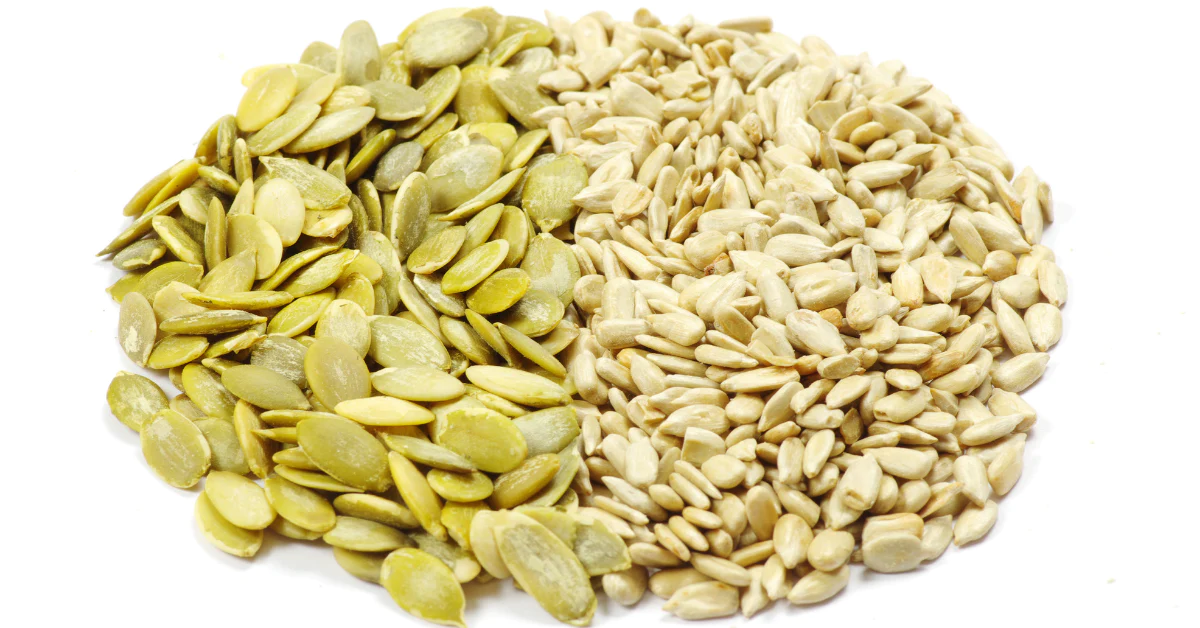
Roasted unsalted sunflower seeds are a globally consumed snack food and ingredient, originating from the Helianthus annuus plant. Positioned within the agricultural processing and food manufacturing supply chain, these seeds undergo post-harvest processing involving drying, dehulling, roasting, and grading. Core performance characteristics center around oil content, protein levels, moisture activity, and sensory attributes (texture, flavor). The unsalted variety caters to health-conscious consumers and serves as a base ingredient for seasoned products. This guide details the technical aspects of production, quality control, potential failure modes, and relevant industry standards for this product.
Material Science & Manufacturing
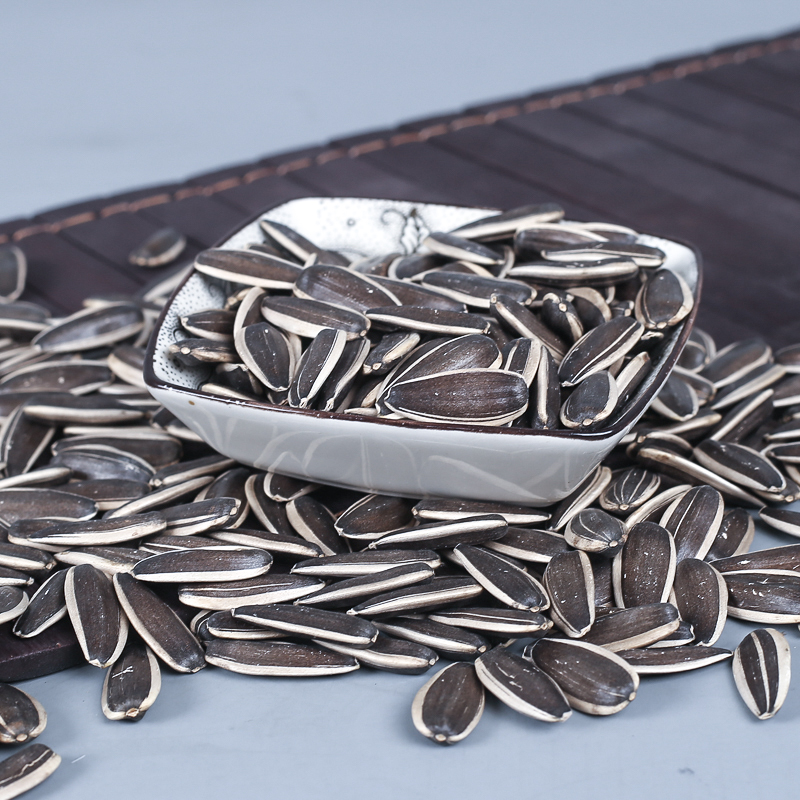
Sunflower seeds, botanically achenes, comprise a shell (hull) and kernel. The kernel consists of approximately 40-55% oil, 20-25% protein, 10-15% carbohydrates, and 5-10% moisture. Oil composition is primarily linoleic acid (omega-6) and oleic acid (omega-9). Raw material variability stems from genetic cultivars (high oleic, mid-oleic, linoleic) and environmental growing conditions. Manufacturing initiates with harvesting and cleaning, followed by drying to a moisture content of approximately 8-10% to inhibit mold growth. Dehulling is mechanically achieved, impacting kernel integrity and breakage rates. Roasting, typically conducted via hot air or drum roasting, is the critical process. Temperature (140-180°C) and duration (15-30 minutes) control moisture reduction, Maillard reaction development (flavor formation), and lipid oxidation. Precise temperature control minimizes acrylamide formation, a key safety concern. Cooling rapidly halts the roasting process. Final grading separates seeds by size and removes defective kernels. Parameter control during roasting – temperature ramp-up rate, airflow, drum speed (if applicable) – are crucial for achieving consistent quality. Packaging uses materials with low oxygen transmission rates to prevent rancidity.
Performance & Engineering
Performance assessment focuses on key quality parameters. Moisture content, typically <2%, dictates shelf life and susceptibility to microbial growth. Water activity (Aw) should be below 0.6. Oil content, measured via Soxhlet extraction, is a primary grading criterion. Peroxide value (PV) and Anisidine value (AV) quantify lipid oxidation levels. Force analysis assesses shell strength during dehulling and kernel fracture resistance during processing. Environmental resistance concerns center on moisture ingress during storage, leading to rancidity and mold development. Packaging permeability is thus a critical engineering parameter. Compliance requirements, dictated by food safety regulations (FDA, EFSA), necessitate adherence to acrylamide limits, heavy metal concentrations, and pesticide residue levels. Sensory evaluation employs trained panels to assess flavor profile, texture (crunchiness, chewiness), and off-flavors. Particle size distribution impacts flowability during packaging and consistent roasting. The head space gas composition within packaging (nitrogen flushing) is engineered to minimize oxygen levels and preserve product freshness.
Technical Specifications
| Parameter | Units | Typical Value | Acceptable Range |
|---|---|---|---|
| Moisture Content | % w/w | 1.5 | <2.0 |
| Oil Content | % w/w | 50 | 48-55 |
| Protein Content | % w/w | 23 | 20-25 |
| Peroxide Value (PV) | meq O2/kg | 2.0 | <5.0 |
| Anisidine Value (AV) | 8 | <15 | |
| Water Activity (Aw) | 0.55 | <0.60 |
Failure Mode & Maintenance
Failure modes include rancidity due to lipid oxidation (manifesting as off-flavors), shell cracking/fragmentation during dehulling and roasting (reducing visual appeal and creating dust), and microbial contamination (leading to spoilage and potential health hazards). Oxidative rancidity is exacerbated by high temperatures, oxygen exposure, and the presence of trace metals. Kernel breakage increases with improper dehulling or over-aggressive roasting. Maintenance focuses on preventative measures. Equipment cleaning and sanitation protocols are vital to minimize microbial loads. Regular monitoring of roasting temperature and airflow prevents scorching and acrylamide formation. Proper storage in airtight containers, under controlled temperature and humidity, mitigates rancidity. Periodic inspection of dehulling equipment identifies and addresses wear patterns that contribute to shell damage. Quality control checks for foreign material contamination are essential. Regular analysis of oil quality (PV, AV) provides early warning signs of oxidative degradation. Implementing a First-In, First-Out (FIFO) inventory management system minimizes storage duration and product degradation.
Industry FAQ
Q: What is the impact of different sunflower seed varieties (high-oleic vs. linoleic) on shelf life?
A: High-oleic sunflower seeds exhibit significantly improved oxidative stability compared to linoleic varieties due to their lower proportion of polyunsaturated fatty acids. This translates to a longer shelf life and reduced susceptibility to rancidity, even under similar storage conditions. High-oleic seeds generally require less antioxidant packaging.
Q: How does the roasting process influence acrylamide formation, and what mitigation strategies are employed?
A: Acrylamide is formed during high-temperature roasting due to the Maillard reaction between reducing sugars and asparagine. Roasting temperature and duration are the primary influencing factors. Mitigation strategies include optimizing roasting profiles to minimize peak temperatures, reducing roasting time, and potentially pre-treating seeds to lower reducing sugar content (although this impacts flavor).
Q: What are the critical control points for preventing aflatoxin contamination in sunflower seeds?
A: Aflatoxins are mycotoxins produced by Aspergillus molds. Critical control points include pre-harvest monitoring for mold infestations in the field, proper drying of seeds to inhibit mold growth, thorough cleaning and sorting to remove contaminated kernels, and appropriate storage conditions (low moisture, temperature). Regular testing for aflatoxin levels is crucial.
Q: What packaging materials are best suited for preserving the quality of roasted unsalted sunflower seeds?
A: Packaging materials with low oxygen transmission rates (OTR) and moisture vapor transmission rates (WVTR) are essential. Multi-layer films incorporating aluminum foil or metallized polyester provide excellent barrier properties. Nitrogen flushing prior to sealing further reduces oxygen levels. The selection also considers considerations for puncture resistance and seal integrity.
Q: How do you determine the optimal roasting profile for achieving consistent flavor and texture?
A: The optimal roasting profile is determined through experimentation and sensory evaluation. Parameters like temperature ramp-up rate, peak temperature, roasting duration, and airflow are systematically varied. Sensory panels assess flavor intensity, texture (crunchiness), and the presence of off-flavors. Data is then analyzed to establish a roasting profile that consistently delivers the desired product characteristics.
Conclusion
The production of roasted unsalted sunflower seeds involves a complex interplay of agricultural practices, processing parameters, and quality control measures. Maintaining optimal moisture content, controlling lipid oxidation, and mitigating acrylamide formation are central to ensuring product safety, shelf life, and sensory appeal. Precise control of the roasting process and utilization of appropriate packaging materials are critical engineering considerations.
Future developments will likely focus on optimizing roasting technologies for enhanced energy efficiency and reduced acrylamide formation, exploring novel packaging materials with improved barrier properties and sustainability profiles, and developing predictive models for assessing seed quality and shelf life. Continuous monitoring and adherence to international standards are essential for maintaining a consistently high-quality product.
