Introduction
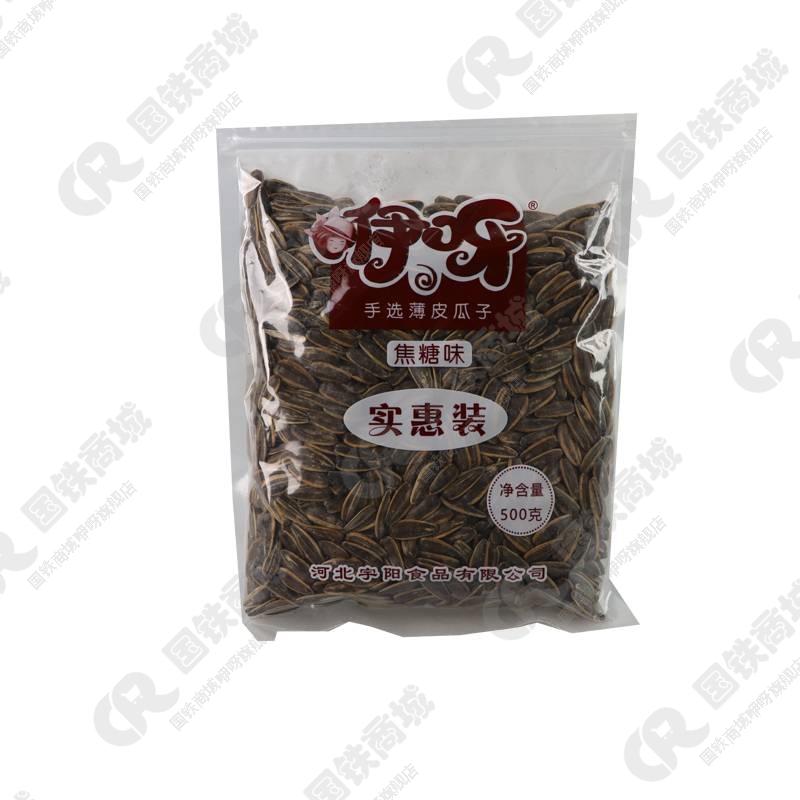
Roasted unsalted sunflower seeds represent a significant segment within the broader snack food industry, operating as a processed agricultural product with strict quality control demands. Positioned between agricultural commodity processing and consumer packaged goods, the industry requires specialized expertise in seed sourcing, thermal processing, and packaging technologies. Core performance characteristics revolve around seed integrity (minimizing broken kernels), consistent roasting profile (color, texture, flavor development), low moisture content (critical for shelf life and rancidity prevention), and adherence to food safety standards. This guide details the critical aspects of manufacturing roasted unsalted sunflower seeds, addressing material science, processing parameters, quality control, potential failure modes, and relevant industry standards. The increasing consumer demand for healthier snack options is driving innovation in this sector, necessitating a deeper understanding of process optimization for nutritional value and extended shelf stability.
Material Science & Manufacturing
The primary raw material, sunflower seeds ( Helianthus annuus), exhibits considerable variability in composition based on cultivar, growing conditions, and harvesting practices. Key components impacting processing include oil content (38-58% typically, impacting roasting behavior), protein content (18-25%, influencing texture and Maillard reaction), moisture content (initially 8-12%, requiring pre-drying for optimal roasting), and hull composition (varying levels of hulling required). Manufacturing begins with seed cleaning and grading, removing foreign matter and separating seeds based on size and density. De-hulling is a common pre-treatment, often performed mechanically using abrasive or impact-based systems. This impacts the final product’s texture and consumer acceptance. The core process is roasting, typically conducted in continuous or batch roasters using dry heat. Roasting temperatures range from 280-350°F (138-177°C), with residence times varying from 20-60 minutes. Precise temperature control is paramount to prevent scorching and achieve a consistent, even roast. Critical parameters include airflow rate (affecting moisture removal and heat transfer), drum speed (ensuring uniform heating), and seed bed depth. Following roasting, seeds are often seasoned (though “unsalted” dictates no seasoning), cooled rapidly to halt the roasting process, and packaged in moisture-barrier materials to maintain freshness. Packaging materials commonly employed include multilayer films incorporating polyethylene, polypropylene, and metallized layers to minimize oxygen transmission rate (OTR) and water vapor transmission rate (WVTR).
Performance & Engineering
The performance of roasted sunflower seeds is intrinsically linked to the thermal processing and subsequent handling. Force analysis is crucial in assessing seed integrity; kernels must withstand handling and packaging without excessive breakage. This is quantified by measuring kernel breakage rate after processing. Environmental resistance is primarily concerning moisture uptake post-roasting. High humidity environments can lead to re-absorption of moisture, causing a loss of crispness and increased susceptibility to rancidity. Packaging selection is therefore critical. Compliance requirements are governed by food safety regulations, including Hazard Analysis and Critical Control Points (HACCP) plans to identify and mitigate potential hazards. Aflatoxin control is a significant concern, requiring rigorous sourcing practices and monitoring throughout the process. Roasting effectively mitigates aflatoxin risk, but maintaining consistent roasting parameters is essential. The Maillard reaction, a non-enzymatic browning process, contributes to flavor development but can also generate acrylamide, a potential carcinogen. Optimizing roasting parameters (temperature and time) minimizes acrylamide formation while maximizing desirable flavor compounds. Furthermore, maintaining optimal seed oil stability is important, involving control of roasting temperatures to minimize oxidation and preserving natural antioxidants within the seed.
Technical Specifications
| Parameter | Unit | Specification | Test Method |
|---|---|---|---|
| Moisture Content | % | ≤ 3.0 | AOAC 925.10 |
| Oil Content | % | 45-55 | Soxhlet Extraction (AOAC 920.39) |
| Kernel Breakage | % | ≤ 5.0 | Visual Inspection & Weight Measurement |
| Aflatoxin B1 | ppb | ≤ 20 | HPLC with Fluorescence Detection (AOAC 991.31) |
| Acrylamide | ppm | ≤ 100 | GC-MS (AOAC 2003.05) |
| Peroxide Value | meq O2/kg | ≤ 5.0 | Titration (AOCS Cd 8-53) |
Failure Mode & Maintenance
Common failure modes in roasted sunflower seeds include rancidity (caused by lipid oxidation, manifested as off-flavors), loss of crispness (due to moisture re-absorption), kernel breakage (from mechanical stress during processing or handling), and microbiological contamination (primarily mold growth if moisture content is not adequately controlled). Rancidity is mitigated by optimizing roasting parameters, employing appropriate packaging, and adding natural antioxidants (Vitamin E). Loss of crispness requires optimized packaging with low WVTR. Kernel breakage can be minimized by careful control of mechanical handling during de-hulling, roasting, and packaging. Preventative maintenance on roasting equipment is crucial. This includes regular cleaning to remove seed debris and build-up, calibration of temperature sensors, inspection of airflow systems, and lubrication of moving parts. Roasting drums should be inspected for wear and tear, and replaced as needed. Packaging machinery requires regular checks of sealing mechanisms to ensure airtight closures. Storage conditions are also critical; seeds should be stored in a cool, dry environment away from direct sunlight. Regular quality control testing (moisture content, oil content, peroxide value, aflatoxin levels) is essential to detect and address potential issues before they impact product quality and safety.
Industry FAQ
Q: What is the optimal temperature range for roasting sunflower seeds to minimize acrylamide formation while maximizing flavor development?
A: The optimal temperature range is generally considered to be between 280-320°F (138-160°C). Lower temperatures reduce acrylamide formation, but can result in under-roasted seeds with less developed flavor. Precise control and shorter roasting times at slightly higher temperatures within this range provide the best balance. Monitoring seed color using colorimeters can provide an objective measure of roasting degree.
Q: How critical is the selection of packaging material in preserving the quality and shelf life of roasted unsalted sunflower seeds?
A: Packaging is exceptionally critical. Sunflower seeds are highly susceptible to moisture absorption and lipid oxidation. A multilayer film with excellent barrier properties (low OTR and WVTR) is essential. Metallized films are often used to further reduce oxygen permeability. Modified atmosphere packaging (MAP) with nitrogen flushing can also extend shelf life by displacing oxygen.
Q: What are the key considerations for controlling aflatoxin contamination in sunflower seeds?
A: Aflatoxin control begins with sourcing seeds from reputable suppliers with robust quality control systems. Regular testing of raw materials for aflatoxin levels is essential. Proper drying of seeds before roasting, coupled with consistent roasting parameters, effectively mitigates aflatoxin risk. Maintaining sanitary conditions throughout the processing facility is also crucial.
Q: What is the role of moisture content in preventing rancidity in roasted sunflower seeds?
A: Maintaining a low moisture content (≤ 3.0%) is paramount in preventing rancidity. Moisture accelerates lipid oxidation, leading to the development of off-flavors. Rapid cooling after roasting is essential to minimize moisture regain. The packaging material must also provide a strong moisture barrier to prevent absorption during storage.
Q: How does the level of hulling affect the final product quality and consumer acceptance of roasted sunflower seeds?
A: The degree of hulling impacts texture, flavor, and consumer convenience. Fully hulled seeds offer a smoother texture and are easier to consume, but are more prone to breakage. Partially hulled seeds provide a more rustic texture and may retain some of the natural oils within the hull, contributing to flavor. Consumer preferences vary, and manufacturers often offer both fully and partially hulled options.
Conclusion
The production of high-quality roasted unsalted sunflower seeds demands a comprehensive understanding of material science, precision process control, and stringent quality assurance measures. From the inherent variability of the raw agricultural product to the critical parameters governing roasting and packaging, each stage presents opportunities for optimization and potential failure. Maintaining consistent moisture levels, minimizing lipid oxidation, controlling aflatoxin contamination, and ensuring kernel integrity are all essential for delivering a safe, palatable, and shelf-stable product.
Future trends in the industry will likely focus on further optimizing roasting profiles to maximize flavor development while minimizing undesirable compounds like acrylamide, exploring innovative packaging materials with enhanced barrier properties, and leveraging data analytics to predict and prevent quality deviations. A continued commitment to food safety and process innovation will be crucial for manufacturers to remain competitive in a market increasingly driven by consumer demand for healthy and convenient snack options.
