Introduction
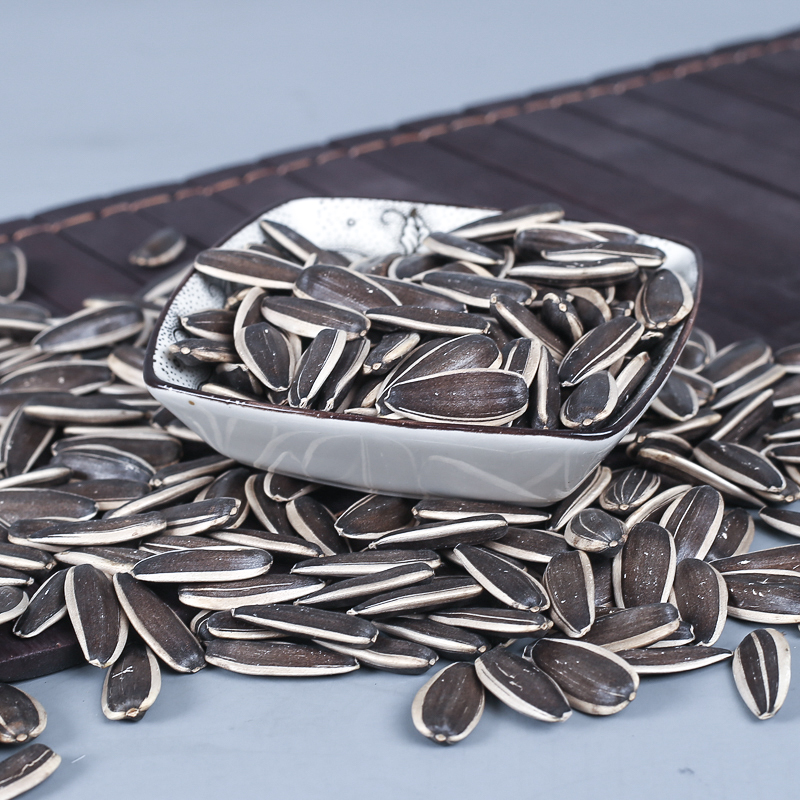
Roasted unsalted sunflower seeds represent a significant segment within the broader snack food industry, specifically positioned as a healthy, plant-based protein source. The "factory" designation implies a commercial scale of production, emphasizing efficiency, quality control, and consistency. This guide will detail the processes involved in producing these seeds, from raw material sourcing to the final packaged product, covering material science, manufacturing techniques, performance characteristics, potential failure modes, and relevant industry standards. Core to the industry is managing seed quality—specifically oil content, moisture levels, and minimizing foreign material—to ensure both optimal roasting characteristics and extended shelf life. A key pain point for manufacturers lies in maintaining consistent flavor profiles while adhering to stringent food safety regulations and consumer demands for natural, minimally processed foods. This document is intended for procurement managers, food technologists, and plant engineers involved in the sunflower seed processing industry.
Material Science & Manufacturing
Sunflower seeds ( Helianthus annuus) are composed primarily of oil (35-58% typically, varying by cultivar), protein (18-25%), carbohydrates (15-20%), and fiber (5-10%). The oil content dictates roasting characteristics and overall flavor development. Manufacturing begins with seed selection, prioritizing high oil content and minimal damage. Cleaning removes debris (stalks, leaves, stones) via screening and aspiration. Hulling, a critical step, can be mechanical or chemical. Mechanical hulling utilizes friction and impact, while chemical hulling employs a heated oil bath to loosen hulls; the latter increases oil absorption. Roasting is typically conducted in rotary or fluid bed roasters, utilizing dry heat (140-180°C). Temperature control is paramount to prevent scorching and develop the desired Maillard reaction products responsible for flavor. Critical parameters include roasting time, drum speed (for rotary roasters), and air velocity (for fluid bed roasters). Post-roasting, the seeds are cooled rapidly to halt the roasting process and minimize oil rancidity. Seasoning, in this case intentionally absent, would normally involve applying salt or flavorings. Finally, seeds undergo quality control checks (size, color, oil content, moisture content, foreign material) before packaging, typically in multi-layer films providing a moisture and oxygen barrier. The packaging material itself must be food-grade and compliant with relevant regulations (see standards section).

Performance & Engineering
The performance of roasted sunflower seeds is defined by several key factors. Moisture content, typically maintained below 5%, directly impacts shelf life, preventing microbial growth and maintaining crispness. Oil stability, measured by peroxide value and rancidity tests, determines the duration before flavor degradation occurs. Mechanical strength, assessed through shell fracture resistance (for in-shell seeds) and seed integrity (for hulled seeds), influences handling and packaging efficiency. Environmental resistance focuses on maintaining product quality under varying temperature and humidity conditions during storage and transportation. Compliance with food safety regulations (HACCP, GMP) is non-negotiable. Engineering considerations center around optimizing roasting processes to minimize energy consumption and maximize throughput. Heat transfer analysis within roasters is crucial for achieving uniform roasting and preventing localized overheating. Airflow management in fluid bed roasters is critical for fluidization and even heat distribution. Equipment material selection (typically stainless steel) must ensure corrosion resistance and prevent contamination. Force analysis is relevant in hulling equipment to minimize seed damage. Further, dust collection systems are essential for maintaining a safe and hygienic processing environment, mitigating explosion hazards associated with combustible dust.
Technical Specifications
| Parameter | Unit | Typical Value | Acceptable Range |
|---|---|---|---|
| Oil Content | % (dry basis) | 45% | 40-55% |
| Moisture Content | % | 3% | 2-5% |
| Free Fatty Acid (FFA) | % (oleic acid) | 0.1 | ≤0.2 |
| Peroxide Value (PV) | meq O2/kg | 2.0 | ≤5.0 |
| Foreign Material | % | 0.05 | ≤0.1 |
| Broken Kernels | % | 2% | ≤5% |
Failure Mode & Maintenance
Failure modes in roasted sunflower seeds are primarily related to quality degradation. Rancidity, caused by lipid oxidation, results in off-flavors and reduced consumer acceptability. This is accelerated by high temperatures, light exposure, and prolonged storage. Moisture absorption leads to loss of crispness and increased susceptibility to microbial growth (mold). Physical damage (cracking, chipping) during handling and processing reduces aesthetic appeal and can generate dust. Packaging failure (seal defects, punctures) compromises the protective barrier, accelerating degradation. Maintenance of roasting equipment is critical. Regular cleaning prevents buildup of seed residue and oil deposits, reducing fire hazards and maintaining heat transfer efficiency. Bearing lubrication ensures smooth operation and prevents mechanical failures. Temperature sensors and control systems must be calibrated regularly for accurate process control. Hulling equipment requires periodic blade replacement to maintain efficiency and minimize seed damage. Preventive maintenance schedules should incorporate regular inspections for wear and tear, and prompt replacement of worn components. Proper storage of raw seeds (cool, dry, pest-controlled) is also essential to prevent pre-roasting degradation.
Industry FAQ
Q: What is the impact of different sunflower varieties on the roasting process?
A: Sunflower varieties differ significantly in oil content, fatty acid profile, and kernel size. Higher oil content varieties roast more readily and develop flavor more quickly, but are also more prone to rancidity. Varieties with different fatty acid profiles exhibit varying oxidative stability. Larger kernels require longer roasting times to achieve uniform cooking. Selection of the appropriate variety is crucial for optimizing roasting parameters and achieving the desired product characteristics.
Q: How does hulling method affect the final product quality?
A: Mechanical hulling, while generally preferred for cost, can cause kernel damage resulting in broken pieces and increased oil exposure, accelerating rancidity. Chemical hulling minimizes kernel damage but may result in higher oil absorption, altering the final oil content and flavor profile. The choice depends on the desired product characteristics and cost-benefit analysis.
Q: What are the critical control points for preventing rancidity?
A: Critical control points include seed quality (low FFA, peroxide value), roasting temperature and time (minimize overheating), cooling rate (rapid cooling to halt oxidation), packaging (oxygen and moisture barrier), and storage conditions (cool, dark, dry). Regular monitoring of oil stability parameters (PV, FFA) is essential.
Q: What type of packaging film provides the best barrier properties for roasted sunflower seeds?
A: Multi-layer films combining polyethylene (PE) for sealing, polypropylene (PP) for strength, and ethylene vinyl alcohol (EVOH) or metallized polyester (PET) for oxygen and moisture barrier properties are commonly used. The specific film composition and thickness depend on the desired shelf life and storage conditions.
Q: What are the main considerations for scaling up production capacity?
A: Scaling requires careful consideration of roasting capacity, hulling efficiency, cooling capacity, and packaging line speed. Investments in automated material handling systems and continuous monitoring and control systems are essential. Thorough process modeling and simulation can identify bottlenecks and optimize throughput. Adequate space for raw material and finished product storage is also crucial.
Conclusion
The production of roasted unsalted sunflower seeds is a complex process requiring a thorough understanding of material science, engineering principles, and food safety regulations. Maintaining consistent product quality necessitates precise control over key parameters throughout the entire production chain, from seed selection to packaging. Optimizing roasting parameters to balance flavor development with oil stability is paramount.
Looking forward, advancements in sensor technology and process control systems will enable even more precise monitoring and optimization of roasting processes, leading to improved product quality and reduced waste. Continued research into innovative packaging materials with enhanced barrier properties will further extend shelf life and maintain product freshness. Furthermore, sustainable sourcing and processing practices will become increasingly important to meet growing consumer demand for environmentally responsible products.
