Introduction
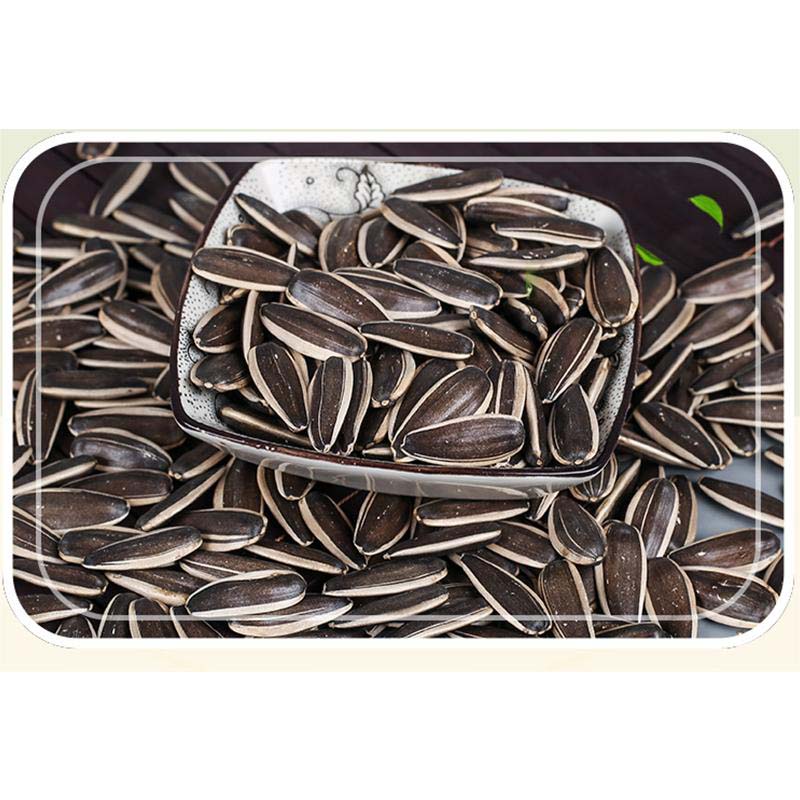
Sunflower seeds, and the diverse range of snack products derived from them, represent a significant segment of the global food industry. This technical guide focuses on the intricacies involved in supplying sunflower seeds for recipe applications and snack food manufacturing. The industry chain spans agricultural production, processing (cleaning, de-hulling, roasting, flavoring), quality control, packaging, and distribution. Core performance characteristics – including seed maturity, oil content, protein levels, moisture content, and absence of foreign material – are critical determinants of downstream product quality and consumer acceptability. A robust understanding of these parameters, alongside adherence to food safety standards, is paramount for suppliers aiming to serve the demanding needs of the recipes and snack food sectors. The increasing demand for healthy snacks and plant-based proteins has further elevated the importance of consistent, high-quality sunflower seed supply.
Material Science & Manufacturing
Sunflower seeds (Helianthus annuus) are composed primarily of an oil-rich kernel surrounded by a hull (pericarp). The kernel’s oil content, typically ranging from 40-55% by weight, dictates its suitability for oil extraction or direct consumption. The protein content is approximately 20-25%, contributing to the nutritional value. Manufacturing begins with harvesting and initial field drying to reduce moisture content to approximately 9-12%. Cleaning processes employ screening, aspiration, and gravity separation to remove stems, leaves, dirt, and immature seeds. De-hulling, a critical step, separates the kernel from the hull, often using mechanical abrasion. Roasting, typically conducted at temperatures between 140-180°C, enhances flavor, develops desirable color, and reduces moisture further. Flavoring involves the application of dry seasonings or oils, requiring precise control of coating uniformity. Key parameter control includes monitoring seed moisture at each stage to prevent mold growth; controlling roasting temperatures to minimize acrylamide formation; and ensuring consistent hull removal to avoid off-flavors. Hull composition consists mainly of cellulose and hemicellulose, requiring robust de-hulling machinery and frequent maintenance to prevent fiber contamination. The chemical compatibility of processing aids (oils, seasonings) with the seed oil is also vital to avoid rancidity or undesired reactions.
Performance & Engineering
The performance of sunflower seeds as an ingredient is directly related to their physical and mechanical properties. Kernel hardness, measured via impact force testing, influences breakage during processing and impacts the texture of final products. Shear force analysis determines the resistance to cracking, critical for determining suitability for certain snack formulations. Environmental resistance is paramount during storage and transportation. High humidity can lead to moisture absorption, promoting mold growth and aflatoxin contamination. Packaging materials must provide an adequate barrier to moisture and oxygen. Compliance requirements include adherence to food safety regulations (FDA, EFSA) regarding pesticide residues, heavy metal content, and microbiological limits. Engineering considerations involve optimizing roasting equipment for uniform heat distribution and minimizing acrylamide formation through precise temperature and time control. Furthermore, maintaining the integrity of the oil during processing is essential. Lipid oxidation, triggered by heat, light, and oxygen, degrades oil quality, leading to rancidity and off-flavors. Antioxidants are frequently used to mitigate oxidation, requiring careful dosage control to ensure efficacy and regulatory compliance.
Technical Specifications
| Parameter | Unit | Specification (Standard Grade) | Specification (Premium Grade) |
|---|---|---|---|
| Moisture Content | % | ≤ 8.0 | ≤ 6.5 |
| Oil Content (Dry Basis) | % | ≥ 48.0 | ≥ 52.0 |
| Protein Content (Dry Basis) | % | ≥ 22.0 | ≥ 24.0 |
| Kernel Hulling Rate | % | ≥ 98.0 | ≥ 99.5 |
| Foreign Material | % | ≤ 0.5 | ≤ 0.1 |
| Aflatoxin B1 | ppb | ≤ 2 ppb | ≤ 1 ppb |
Failure Mode & Maintenance
Sunflower seeds are susceptible to several failure modes. Rancidity, caused by lipid oxidation, is a common issue during storage, particularly in the presence of oxygen and elevated temperatures. Acrylamide formation during roasting, though controllable, poses a risk if temperature and time parameters are not optimized. Physical damage (cracking, chipping) during handling and processing can occur due to insufficient impact resistance. Microbiological contamination, including mold growth and aflatoxin production, is a critical concern, especially in humid environments. De-hulling equipment failure, resulting in hull fragments remaining with the kernel, impacts flavor and texture. Maintenance strategies include regular cleaning and inspection of processing equipment (dehullers, roasters, graders) to prevent wear and tear. Proper ventilation and humidity control in storage facilities are crucial for preventing mold growth. Implementing a robust quality control program, including regular testing for aflatoxins and oil quality, is essential. Preventive maintenance schedules for roasting equipment, including temperature calibration and burner maintenance, are vital to minimize acrylamide formation. Utilizing nitrogen flushing during packaging reduces oxygen exposure, extending shelf life and minimizing rancidity.
Industry FAQ
Q: What are the key considerations regarding aflatoxin control in sunflower seeds?
A: Aflatoxins are potent mycotoxins produced by certain molds. Control begins with sourcing seeds from regions with low aflatoxin risk. Implementing rigorous pre-processing cleaning to remove contaminated seeds is crucial. Proper drying and storage conditions (low humidity, good ventilation) inhibit mold growth. Regular testing throughout the process, using ELISA or HPLC methods, is essential. Acceptable levels are defined by regulatory bodies (FDA, EFSA) and must be consistently met.
Q: How does the roasting process affect the nutritional profile of sunflower seeds?
A: Roasting enhances flavor and reduces moisture, but it can also lead to some nutrient loss, particularly vitamin E. However, the increase in bioavailability of certain nutrients, such as some minerals, can partially offset this loss. Controlling roasting time and temperature is critical to minimize nutrient degradation and acrylamide formation. The use of antioxidants during or after roasting can help preserve oil quality and vitamin E content.
Q: What are the challenges associated with maintaining consistent oil content across different sunflower seed batches?
A: Oil content is influenced by sunflower variety, growing conditions (sunlight, rainfall, soil quality), and maturity at harvest. To mitigate variability, sourcing from reputable growers with established quality control practices is essential. Blending different batches can help achieve a consistent oil content. Regular oil content analysis using Soxhlet extraction or NMR spectroscopy is vital for process control.
Q: What packaging materials are best suited for extending the shelf life of roasted and seasoned sunflower seeds?
A: Multi-layer films incorporating a metallized barrier layer (aluminum) provide excellent protection against moisture, oxygen, and light. High-barrier polymers like EVOH (ethylene vinyl alcohol) are also effective. Nitrogen flushing before sealing further reduces oxygen content. The choice of material should also consider sealability, puncture resistance, and cost-effectiveness.
Q: What is the significance of the hulling rate, and what issues can arise from incomplete de-hulling?
A: Hulling rate indicates the percentage of kernels completely separated from their hulls. A high hulling rate is desirable as hull fragments contribute to undesirable texture and flavor. Incomplete de-hulling can lead to bitterness and reduce the overall quality perception. Ensuring proper calibration and maintenance of de-hulling equipment, along with employing appropriate mechanical abrasion techniques, are essential for achieving a high hulling rate.
Conclusion
The successful supply of sunflower seeds for recipe and snack food applications demands a comprehensive understanding of material science, processing parameters, and quality control measures. Maintaining consistent oil content, mitigating aflatoxin risks, controlling acrylamide formation, and ensuring proper packaging are crucial for delivering a high-quality, safe, and palatable product.
Future trends will likely focus on sustainable sourcing, traceability technologies (blockchain), and the development of novel processing techniques to enhance nutritional value and minimize environmental impact. Suppliers who prioritize innovation and adopt a proactive approach to quality and food safety will be best positioned to thrive in this evolving market.
