Introduction
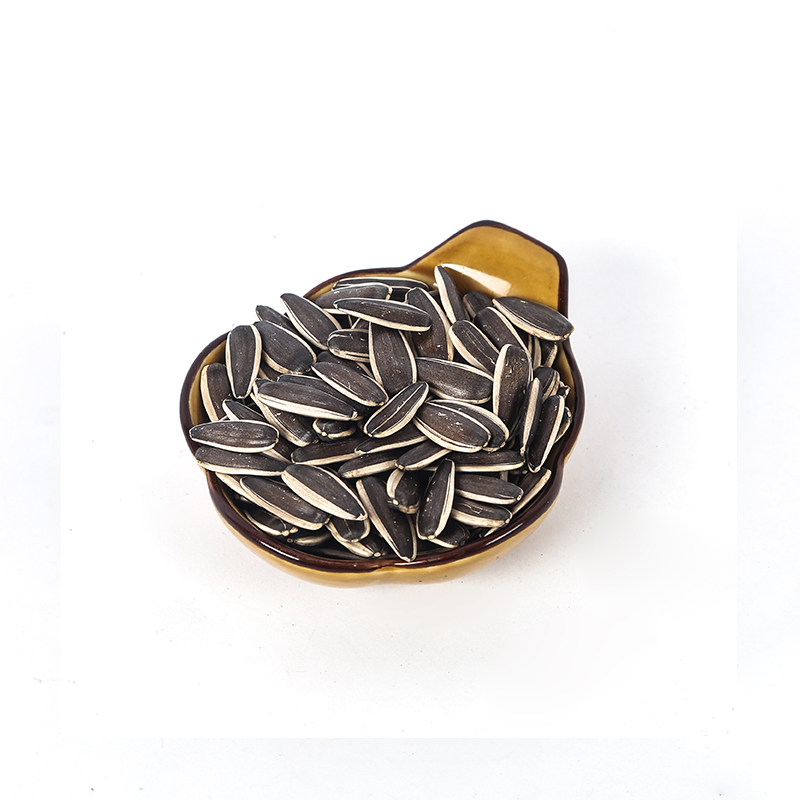
Sunflower seeds, Helianthus annuus, represent a significant component of the global snack food industry, positioned as both a standalone product and a key ingredient in numerous recipes. These seeds are categorized botanically as achenes – a dry fruit containing a single seed – and are valued for their nutritional profile, comprised predominantly of unsaturated fatty acids, protein, and essential micronutrients. From a manufacturing perspective, sunflower seeds occupy a unique space between agricultural commodity processing and sophisticated food formulation. The industry chain begins with agricultural cultivation, progresses through cleaning, dehulling, grading, roasting, flavoring, and ultimately, packaging for consumer distribution. Core performance characteristics center on seed size uniformity, oil content, protein content, and freedom from contaminants. Consumer demand is driven by perceived health benefits, convenience, and increasingly, diverse flavor profiles beyond traditional salted varieties. This guide provides a comprehensive technical overview of sunflower seed processing, material properties, performance specifications, and quality control, addressing crucial considerations for B2B stakeholders in the snack food manufacturing sector.
Material Science & Manufacturing
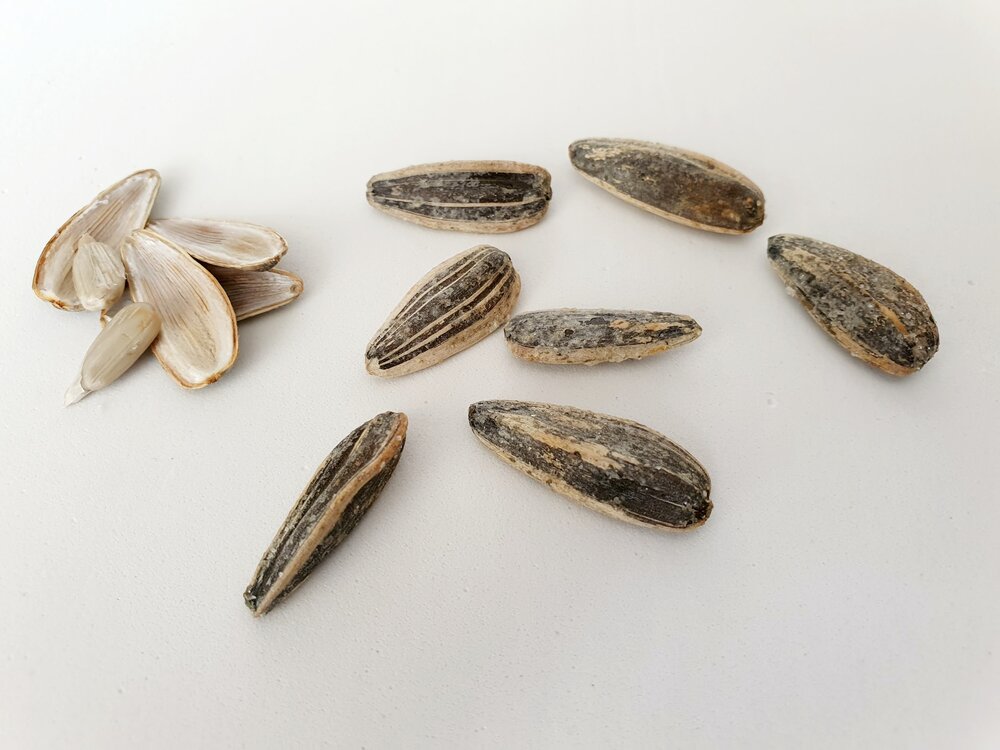
The raw material, sunflower seed, exhibits significant variability in composition based on cultivar, growing conditions, and maturity. The seed kernel is approximately 40-55% oil, primarily linoleic acid (a polyunsaturated omega-6 fatty acid). Protein content ranges from 18-25%, consisting of globulins, albumins, and glutelins. The hull, or pericarp, comprises 20-30% of the seed's weight and is composed primarily of cellulose, hemicellulose, and lignin. Manufacturing begins with cleaning to remove debris (stones, stems, leaves). Dehulling is critical, typically achieved through mechanical abrasion and cracking. Careful parameter control is essential here; excessive force leads to kernel damage and increased oil release, while insufficient force results in incomplete hull removal. Grading sorts seeds by size and density, removing immature or damaged kernels. Roasting is a crucial step, impacting flavor, texture, and shelf life. Roasting temperature (typically 120-180°C) and duration directly influence lipid oxidation and the development of desirable volatile flavor compounds (pyrazines, aldehydes). Flavoring involves applying dry or wet coatings, often utilizing salt, spices, or artificial flavorings. Packaging utilizes materials with low oxygen transmission rates (OTR) and moisture vapor transmission rates (WVTR) to maintain freshness and prevent rancidity. Key parameters during coating application include adhesive viscosity, coating uniformity, and drying rate. Automated control systems monitor and adjust these parameters to ensure consistent product quality and minimize waste.
Performance & Engineering
Sunflower seed snack product performance is evaluated based on several key engineering principles. Force analysis during dehulling and roasting necessitates understanding the fracture mechanics of the seed kernel and hull. Optimizing impact force and duration minimizes kernel damage and maximizes hull removal efficiency. Environmental resistance is critical for shelf life; exposure to oxygen, moisture, and light accelerates lipid oxidation, leading to rancidity. Packaging materials are engineered to provide a barrier against these elements. Compliance requirements involve adherence to food safety regulations (FDA in the US, EFSA in Europe) regarding mycotoxin levels (aflatoxins are a particular concern in sunflower seeds), pesticide residues, and heavy metal content. Functional implementation of flavor coatings requires understanding adhesion properties and ensuring uniform distribution. The hygroscopic nature of sugars and salts in coatings can impact moisture absorption and product texture. Furthermore, the impact of seed size and shape on flowability during automated packaging operations must be considered. Particle size distribution analysis is used to optimize conveyor belt speed and filling accuracy. Optimizing roasting parameters impacts not only flavor but also the Maillard reaction products, contributing to color development and antioxidant capacity.
Technical Specifications
| Parameter | Unit | Specification | Test Method |
|---|---|---|---|
| Oil Content (Dry Basis) | % | 48-58 | Soxhlet Extraction (AOCS Official Method) |
| Protein Content (Dry Basis) | % | 18-25 | Kjeldahl Method (AOCS Official Method) |
| Moisture Content | % | ≤ 6.0 | Oven Drying Method (AOCS Official Method) |
| Hull Content | % | ≤ 5.0 | Visual Inspection & Weight Separation |
| Aflatoxin B1 | ppb | ≤ 20 | HPLC with Fluorescence Detection (FDA Method) |
| Peroxide Value (PV) | meq O₂/kg | ≤ 10 | Titration Method (AOCS Official Method) |
Failure Mode & Maintenance
Sunflower seed snack products are susceptible to several failure modes. Rancidity, due to lipid oxidation, is a primary concern, manifesting as off-flavors and odors. This is exacerbated by exposure to oxygen, light, and elevated temperatures. Hull fragments remaining in the product contribute to textural defects and can pose a choking hazard. Kernel breakage during processing reduces product appeal and generates fines, leading to packaging issues. Microbial contamination (mold growth) can result in mycotoxin production, rendering the product unsafe for consumption. Coating defects, such as uneven coverage or flaking, affect product appearance and flavor delivery. Maintenance strategies involve implementing strict quality control procedures throughout the manufacturing process. Proper storage conditions (cool, dry, dark) are essential to minimize oxidation. Regular cleaning and sanitation of processing equipment prevent microbial contamination. Calibration of dehulling and roasting equipment ensures optimal performance and minimizes kernel damage. Packaging materials should be regularly inspected for integrity and barrier properties. Shelf-life studies are crucial for determining product expiration dates and optimizing packaging configurations. Preventive maintenance schedules for all processing machinery are essential for long-term reliability.
Industry FAQ
Q: What are the primary drivers of rancidity in sunflower seeds, and how can it be effectively mitigated?
A: The primary driver of rancidity is lipid oxidation, initiated by exposure to oxygen, light, and heat. Unsaturated fatty acids in sunflower seeds are particularly susceptible. Mitigation strategies include using packaging materials with low OTR, adding antioxidants (e.g., vitamin E, rosemary extract), controlling roasting temperatures and durations, and maintaining cool, dry storage conditions. Nitrogen flushing of packaging can further reduce oxygen levels.
Q: How does seed size variability impact the dehulling process and overall product quality?
A: Significant seed size variability can lead to inconsistent dehulling performance. Smaller seeds may be damaged during the process, while larger seeds may not be adequately dehulled. This results in a higher hull content, textural defects, and increased fines. Precise grading and sizing before dehulling are crucial for optimizing this process.
Q: What are the regulatory limits for aflatoxins in sunflower seeds, and how are these limits enforced?
A: Regulatory limits for aflatoxin B1 vary by country. The US FDA limit is 20 ppb, while European regulations are similarly stringent. Enforcement relies on regular sampling and testing using sensitive analytical methods (HPLC with fluorescence detection). Products exceeding these limits are rejected and cannot be sold for human consumption.
Q: What role does moisture content play in the shelf life and texture of roasted sunflower seeds?
A: Moisture content is a critical factor. High moisture content promotes microbial growth and accelerates lipid oxidation, shortening shelf life. Low moisture content can lead to a hard, brittle texture. The optimal moisture content is typically around 6%, maintained through controlled roasting and packaging in moisture-barrier materials.
Q: How can we improve the adhesion of flavor coatings to sunflower seeds to prevent flaking and dusting?
A: Improving coating adhesion involves optimizing coating viscosity, applying the coating uniformly, and controlling drying rates. Pre-treating the seeds with a light oil coating can enhance adhesion. Selecting coating ingredients with compatible polarity and surface tension characteristics is also crucial. Consider using a binder agent in the coating formulation.
Conclusion
Sunflower seed processing represents a complex interplay of agricultural science, food engineering, and quality control. Achieving a high-quality snack product requires meticulous attention to detail throughout the entire supply chain, from seed selection and cultivation to processing, packaging, and storage. Understanding the material properties of sunflower seeds – their lipid composition, protein structure, and hull characteristics – is fundamental to optimizing processing parameters and minimizing defects.
Future innovation in the sunflower seed snack industry will likely focus on developing improved dehulling technologies to reduce kernel damage and increase efficiency, enhancing packaging materials to extend shelf life, and exploring novel flavorings and coating techniques to cater to evolving consumer preferences. Furthermore, advancements in analytical methods for detecting mycotoxins and other contaminants will be crucial for ensuring product safety and maintaining consumer confidence.
